
How Harvest Aid Platforms and Agricultural Picking Vehicles Help Farms Cope with Labor Shortages
Labor shortages have become a daily operating concern for fruit, vegetable, and greenhouse farms. During harvest season, even a small gap in staffing can delay picking, reduce crop quality, and put pressure on delivery schedules. This is why harvest aid platforms and agricultural picking vehicles are becoming practical farm labor shortage solutions for growers that need higher output without depending only on additional seasonal workers.
For many farms, the goal is not to remove people from the harvest process. The more realistic goal is to help each worker spend less time walking, carrying, bending, climbing, and waiting. When those non-picking tasks are reduced, a smaller crew can often complete more useful work during the same shift.
Why Labor Shortages Hit Harvesting So Hard
Harvesting is different from many other farm jobs because timing matters. A crop that is ready today may lose value if it is picked too late. Vegetables can become oversized, fruit can soften, and greenhouse crops may miss the best shipping window. Labor shortages create pressure not only on the field team but also on packing, storage, and wholesale delivery.
The problem becomes more serious when the available workforce is aging. Older workers may still bring strong field experience, but repeated lifting, long walking routes, and climbing onto unstable access equipment can slow the whole crew. Farms that rely on manual carts, ladders, and hand-carried containers often find that workers spend a surprising amount of time away from the crop itself.
That lost time is where labor-saving farm equipment can make a clear difference.
What Harvest Aid Platforms and Agricultural Picking Vehicles Do
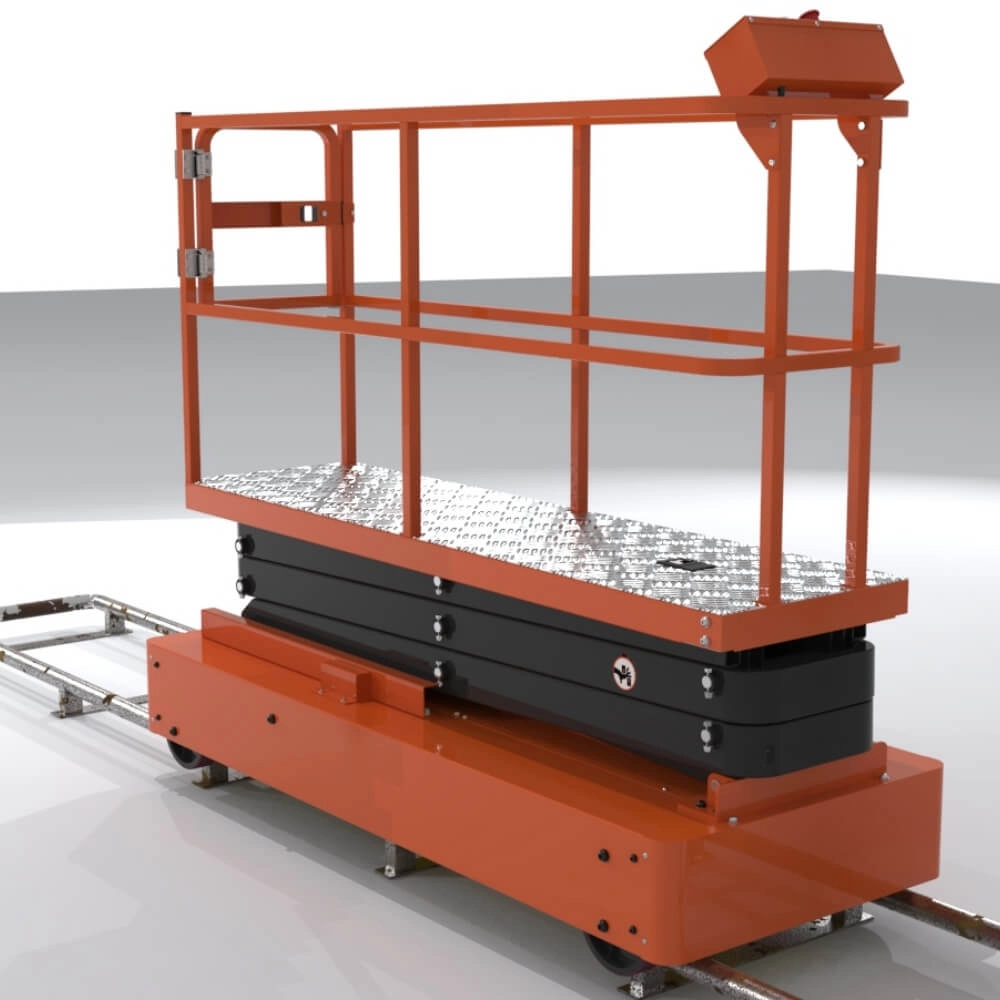
A harvest aid platform is designed to support workers during picking by improving access, movement, or material handling. An agricultural picking vehicle performs a similar role by carrying workers, tools, containers, or harvested produce through the working area. In vegetable farms, orchards, and greenhouse operations, these machines help bridge the gap between basic manual labor and fully automated harvesting.
JQLIFT’s vegetable picking equipment solutions include products such as the WSH-ZGL Picking Dump Truck, WSH-YGL Sprayer, WSH-GL Picking Car, WSH-GGL Driving Picking Vehicle, and SWS-HGL Manual Picking Cart. These product names reflect a practical equipment range for agricultural picking, spraying, short-distance collection, and handling support. Instead of treating mechanization as one large investment, farms can select equipment according to real site conditions and daily harvest volume.
For a greenhouse vegetable grower, a manual picking cart may help reduce repeated carrying between rows. For a larger farm, a driving picking vehicle or picking dump truck may be more suitable when produce, containers, and workers need to move over longer distances.
How Picking Vehicles Improve Output per Worker
The strongest value of agricultural picking vehicles is not only speed. It is the reduction of wasted movement. In many farms, a worker picks for a few minutes, then walks to unload, returns to the row, adjusts containers, lifts produce, or waits for another person to move the harvest. These small interruptions add up quickly during a full day.
A farm picking cart or picking vehicle keeps containers closer to the workers. A driving picking vehicle can shorten the distance between the picking area and collection point. A picking dump truck can support produce handling when the harvested volume is higher. This helps workers stay focused on picking, which is the task that directly creates value.
There is also a fatigue factor. Less carrying means fewer strain-related slowdowns. Less climbing means a steadier rhythm. Better movement through the row helps the crew maintain pace during long harvest hours. For farms looking for equipment to improve picking efficiency, this practical improvement is often more important than complex automation.
Which Farms Benefit Most from Picking Vehicles
Agricultural picking vehicles are most useful for farms where workers lose time because of distance, load handling, crop height, or repeated movement. Greenhouse vegetable farms often need equipment that can move through controlled growing areas without disrupting the workflow. Vegetable farms may need carts or vehicles that help move harvested produce from rows to collection points. Orchards and fruit farms may need harvest aid platforms or fruit picking platforms that bring workers into a better working position.
These machines are also valuable for farms that have difficulty hiring enough seasonal labor. When extra workers are not available, the existing team needs better support. A well-matched vegetable picking vehicle can reduce walking and carrying while helping workers cover more ground.
For procurement teams, the question should be direct: where is labor time being lost? If the answer is carrying, moving, waiting, or repeated short-distance transport, a mechanical harvest aid may bring a better return than hiring more temporary workers at the last minute.
Harvest Aid Platforms vs. Full Automation
Full automation can sound attractive, but many farms need a more practical first step. Robotic harvesting systems are often crop-specific, expensive, and harder to fit into existing field routines. A harvest aid platform or agricultural picking vehicle keeps workers involved while improving the parts of the job that slow them down.
This makes mechanical harvest aid equipment a useful middle path. It supports current workers, reduces physical pressure, and allows farms to improve harvest efficiency without changing the entire production system. For many buyers, that balance is easier to justify.
As an agricultural picking equipment manufacturer, JQLIFT focuses on practical machinery that supports real work conditions. The company’s product range covers aerial work platforms, vegetable pickers, scissor lifts, vertical mast lifts, and related handling equipment, which gives agricultural buyers a wider base for selecting field and facility support machines.
How to Choose the Right Agricultural Picking Vehicle
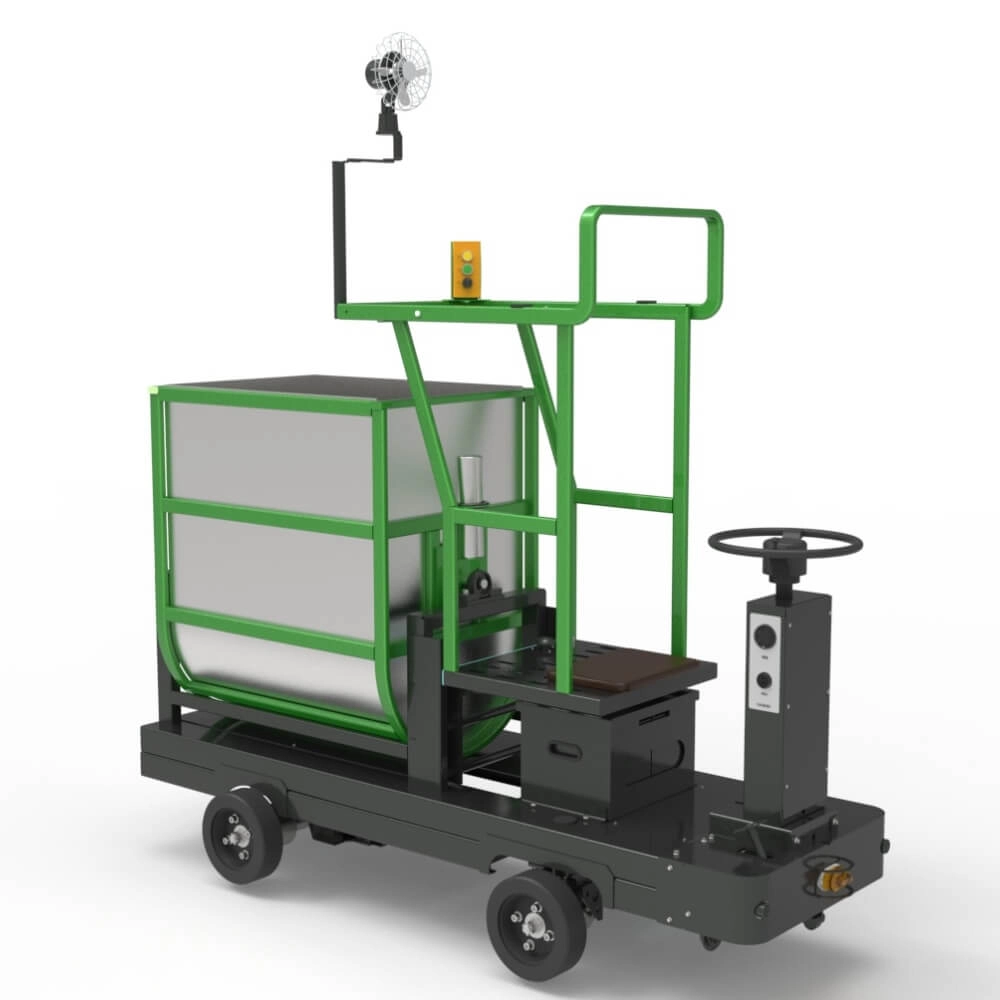
Before selecting a picking vehicle for farm use, buyers should review the crop type, row spacing, working surface, turning area, harvest volume, and carrying distance. A greenhouse picking vehicle must fit the working path. A manual picking cart should match short-distance collection needs. A driving picking vehicle may be better when workers and containers move frequently between longer rows.
The purchasing decision should also consider maintenance ability. Simple, durable equipment is often more valuable for farms with limited service resources. Custom requirements may include platform layout, handling method, color, or application-specific details.
JQLIFT’s company background supports this type of B2B selection. Founded in 2015, Hangzhou Jiequ Machinery Manufacturing Co., Ltd. operates from a manufacturing base of more than 30 acres, with technical staff, skilled workers, patents, and high-tech enterprise qualifications. This manufacturing foundation matters when buyers need consistent supply, practical customization, and after-sales communication for agricultural machinery projects.
Conclusion
Harvest aid platforms and agricultural picking vehicles cannot solve every farm labor problem, but they can help farms use available workers more effectively. By reducing walking, lifting, carrying, and non-picking time, these machines support better harvest efficiency and higher output per worker. For vegetable farms, greenhouse growers, orchards, and agricultural distributors, the best choice depends on crop type, field layout, labor pressure, and daily harvest volume. To compare suitable models, buyers can contact JQLIFT for agricultural picking vehicle selection.
FAQs
Q1: How do harvest aid platforms help with farm labor shortages?
A: Harvest aid platforms help farms reduce the time workers spend walking, carrying, bending, or climbing during harvest. They do not simply replace workers; they help the existing crew stay closer to the crop and complete more productive picking work during each shift.
Q2: What is an agricultural picking vehicle used for on a vegetable farm?
A: An agricultural picking vehicle is used to move workers, containers, tools, and harvested produce through the farm or greenhouse. In vegetable harvesting, it can reduce repeated hand carrying and shorten the distance between rows and collection points.
Q3: How can farms reduce walking and carrying during harvest?
A: Farms can reduce walking and carrying by using farm picking carts, driving picking vehicles, picking dump trucks, or harvest aid platforms that keep containers and produce closer to the workers. This helps improve picking efficiency without requiring a full robotic harvesting system.
Q4: What should farms check before buying a vegetable picking vehicle?
A: Farms should check crop type, row spacing, ground condition, turning space, harvest volume, carrying distance, and worker workload. The right vegetable picking vehicle should fit the farm’s real harvesting process rather than only looking suitable on paper.
Q5: Are agricultural picking vehicles better than fully automated harvesters?
A: Agricultural picking vehicles are often more practical for farms that still rely on skilled workers but need better labor efficiency. Fully automated harvesters may suit some crops, but picking vehicles and mechanical harvest aids are usually easier to introduce into existing farm operations.


