
Semi-Electric vs Fully Electric Order Picker: Which Is Better for Your Warehouse?
Warehouse buyers often compare a semi-electric vs fully electric order picker when ladder-based picking becomes too slow, unsafe, or labor-intensive. The right choice is not only about the purchase price. It depends on how often goods are picked, how far the machine travels in each shift, how much weight is handled, and whether operator fatigue is already affecting daily warehouse output.
For procurement teams, wholesalers, distributors, supermarket warehouses, and spare parts storage areas, the decision usually comes down to one practical question: does the warehouse mainly need powered lifting, or does it also need powered travel? JQLIFT, a professional manufacturer of aerial work platforms and warehouse picking equipment, offers both semi-electric and fully electric order picker options for different operating levels.
What Is a Semi-Electric Order Picker?
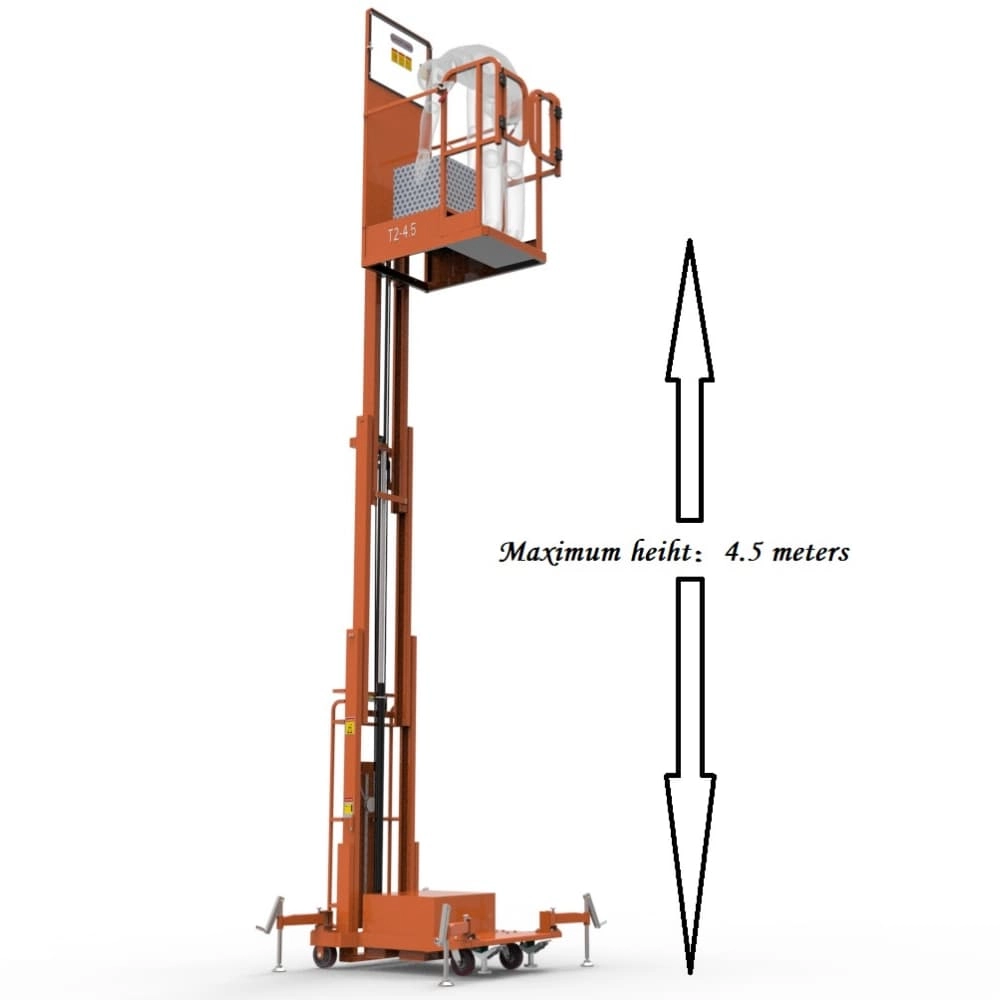
A semi-electric order picker uses electric power to raise and lower the platform, while the operator moves the machine manually across the warehouse floor. This design keeps the structure simple, reduces the initial investment, and gives small or medium warehouses a practical way to reach high shelves without relying on rolling ladders.
The JQLIFT T3 Semi-electric Reclaimer, positioned under the company’s aerial order picker range, is designed for warehouses and supermarkets that need access to goods stored at height. It reaches a maximum platform height of 4.5 meters and supports a 200 kg load. For a stockroom that handles cartons, small parts, packaged goods, or retail inventory, this type of manual push order picker can be a cost-effective step up from basic access equipment.
A semi-electric model is often suitable when the machine stays within one aisle zone or moves only short distances between racks. The main value is vertical access. Horizontal travel remains simple and manual.
What Is a Fully Electric Order Picker?
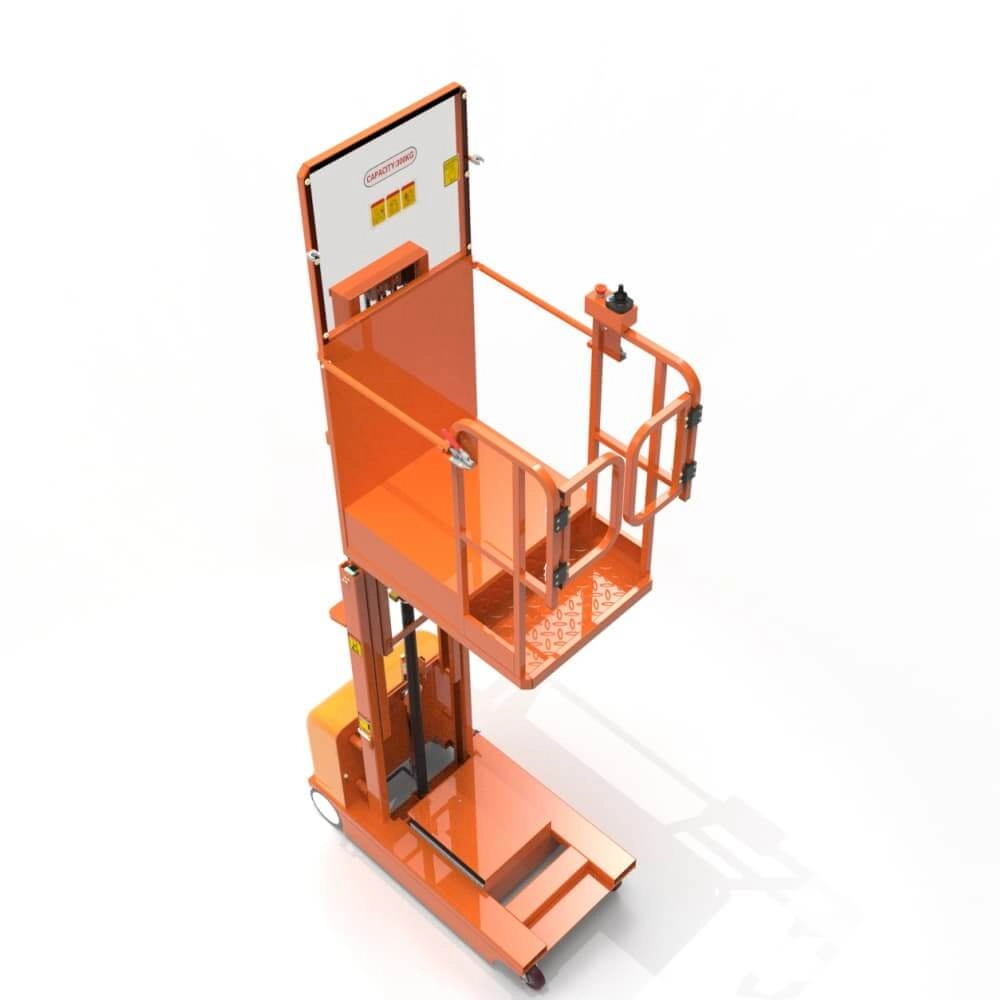
A fully electric order picker provides powered lifting and powered travel. Instead of pushing the unit by hand, the operator controls movement through an electric drive system. This matters in warehouses where workers travel across longer aisles, pick goods repeatedly during a shift, or handle more demanding daily schedules.
JQLIFT’s AT Fully Electric Reclaimer is built for warehouse and supermarket picking applications, with a maximum platform height of 4.5 meters and electric rear wheels for flexible movement. The DAT Fully Electric Reclaimer is designed with a wider loading platform and larger standing area, making it suitable for users who need more space during order picking. DAT models also provide a 300 kg maximum load and a travel speed range of 0.8–4 km/h, which fits more frequent warehouse picking tasks.
For a busy distribution area, powered travel can be the difference between acceptable productivity and daily bottlenecks. Less pushing means less fatigue. It also helps operators keep a steadier working pace.
Semi-Electric vs Fully Electric Order Picker: Key Differences
The table below summarizes the main buying differences for warehouse managers and equipment purchasers.
| Factor | Semi-Electric Order Picker | Fully Electric Order Picker |
|---|---|---|
| Power system | Electric lifting, manual travel | Electric lifting and electric travel |
| Initial cost | Lower | Higher |
| Best use | Light to medium-duty picking | Frequent or heavier-duty picking |
| Travel distance | Short aisles and limited movement | Longer aisles and repeated movement |
| Operator effort | More manual pushing | Less physical effort |
| Productivity | Moderate | Higher in busy operations |
| Maintenance | Simpler structure | More electric drive components |
| Typical warehouse | Small warehouse, supermarket, stockroom | Distribution area, busy warehouse, frequent picking zone |
In simple terms, a semi-electric order picker saves capital cost, while a fully electric order picker saves labor effort and time. For low-frequency picking, the lower-cost option may make more sense. For daily high-volume picking, the extra investment in powered travel can be easier to justify.
When Should a Warehouse Choose a Semi-Electric Order Picker?
A semi-electric order picker is a strong fit when the picking area is compact, the floor is flat, and the operator does not need to move long distances. A small supermarket warehouse, hardware stockroom, spare parts room, or light-duty storage area may only need high-level access several times per day. In that case, paying for a fully electric drive system may not bring enough return.
The T3 semi-electric order picker fits this type of environment well. It gives the operator powered lifting up to 4.5 meters, while keeping the machine simple enough for routine warehouse use. For buyers searching for a low-cost order picker, warehouse picking equipment, or an aerial order picker for light-duty storage, this setup answers a common purchasing need: safer access to elevated goods without overbuying equipment.
A semi-electric model can also help prevent unnecessary spending. If the main problem is shelf height rather than travel distance, electric lifting is usually the feature that matters most.
When Is a Fully Electric Order Picker Better?
A fully electric order picker becomes the better choice when the machine is used many times per day, across longer aisles, or during extended shifts. In these cases, manual pushing can become the hidden cost. Operators slow down, fatigue builds, and the warehouse loses time in small increments throughout the day.
Fully electric models such as JQLIFT AT and DAT support more efficient movement in warehouse and supermarket settings. AT suits facilities that need powered travel with compact handling. DAT is a stronger choice when a wider platform, larger standing area, and 300 kg load capacity are important. For wholesale warehouses handling cartons, replenishment stock, or frequent shelf access, a fully electric warehouse order picker can support steadier output and reduce physical strain.
The higher purchase cost should be weighed against labor savings, picking frequency, and daily equipment utilization. When the unit is used often, powered travel is not a luxury. It becomes part of the workflow.
How to Choose the Right Order Picker for Your Warehouse
Before choosing between semi-electric and fully electric equipment, buyers should review five practical factors: daily picking frequency, aisle distance, maximum load weight, required platform height, and operator workload. A warehouse that completes occasional picking in one storage zone may benefit most from a semi-electric order picker. A warehouse that moves through long aisles throughout the day should consider a fully electric order picker.
JQLIFT’s aerial order picker solutions cover both sides of this decision, allowing buyers to compare T3, AT, and DAT models based on actual site conditions rather than guesswork. The company’s warehouse lifting equipment manufacturer background also supports customized selection for buyers who need different colors, platform modifications, power outlets, air pipe connectors, or other application-based adjustments.
For procurement teams, the best purchase is not always the most advanced machine. It is the machine that matches the real duty cycle.
Conclusion
A semi-electric order picker is usually better for cost-sensitive warehouses with short-distance, light to medium-duty picking tasks. A fully electric order picker is better for facilities that require frequent movement, higher productivity, heavier daily workloads, or lower operator fatigue. JQLIFT provides both types within its aerial order picker product range, supported by a manufacturing base in Hangzhou, an experienced technical team, and practical product customization.
For buyers comparing warehouse order picker options, the most reliable next step is to match the machine to the actual working environment. Platform height, load capacity, aisle distance, and daily picking frequency should guide the decision. To discuss a suitable model, procurement teams can contact JQLIFT for warehouse order picker selection.
FAQs
Q1: How do I choose between a semi-electric and fully electric order picker?
A: Choose a semi-electric order picker when the warehouse has a limited budget, short travel distances, and low to medium picking frequency. Choose a fully electric order picker when operators move through longer aisles, pick goods many times per day, or need less physical effort during long shifts.
Q2: What is the main difference between a semi-electric order picker and a fully electric order picker?
A: The main difference is the travel system. A semi-electric order picker uses electric power for lifting but requires manual movement. A fully electric order picker uses electric power for both lifting and travel, which makes it more suitable for frequent warehouse picking.
Q3: Is a semi-electric order picker good for a small warehouse?
A: Yes. A semi-electric order picker is often a good choice for small warehouses, supermarkets, retail stockrooms, and spare parts areas where operators need powered lifting but do not travel long distances between racks.
Q4: When is a fully electric order picker worth the higher cost?
A: A fully electric order picker is worth the higher cost when the machine is used frequently, when aisle travel is long, or when operator fatigue reduces picking speed. In these conditions, powered travel can improve daily efficiency and reduce manual strain.
Q5: What order picker is better for warehouse buyers handling heavier loads?
A: For heavier or more frequent picking tasks, a fully electric order picker is usually the better option. In the JQLIFT product range, the DAT Fully Electric Reclaimer provides a wider platform and 300 kg maximum load capacity, making it suitable for more demanding warehouse applications.


