
Order Picker vs Reach Truck: Match the Truck to the Task
Order Picker vs Reach Truck: Match the Truck to the Task
When a warehouse compares an order picker vs reach truck, the first question is what must move: a person to individual items, or a complete pallet through the rack system. The two machines can work in the same building, but they do different jobs. The name “order picker” also covers more than one equipment type, so a useful comparison starts by identifying the machine behind the quote.
For this article, an aerial order picker means a compact platform machine that raises an operator to pick selected goods. A reach truck is a pallet-handling truck whose operator works from the truck while the forks place or retrieve a pallet. An industrial order-picker truck that elevates its operator is a different category again. Those distinctions matter more than the labels on a shortlist.
Start with the unit being picked
A reach truck is designed around pallet movement. Its forks engage a pallet, and the operator positions that load at the required rack location. This suits replenishment, pallet retrieval and other moves where the inventory unit remains intact.
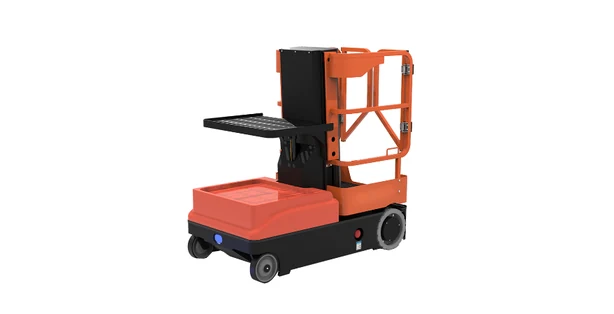
An aerial order picker changes the operator’s working position. Instead of bringing a pallet down, the machine raises the operator to selected cartons, parts or other individual items. This can make sense when an order contains a small number of items from several locations and taking down a full pallet would add an unnecessary handling step.
That distinction is about the task, not a claim that one machine is universally faster. A pallet move and a piece-picking stop are different work events. The right comparison follows the actual order from storage to packing, including any replenishment step that happens before picking.
Check which kind of order picker is being compared
In warehouse listings, “order picker” can refer to a truck where the operator and forks rise together to pick from rack locations. It can also describe a compact aerial machine with an operator platform and separate goods areas. The two formats should not be treated as interchangeable.
The JQLIFT OPC aerial order picker is the compact platform type. Its product information identifies separate controls for machine travel, operator-platform lift and cargo-platform lift. It is therefore useful to compare its work arrangement with a reach truck, but it should not be presented as a pallet-handling truck.
The name on a search result, brochure or quotation is not enough to settle the comparison. Confirm where the operator stands, what carries the goods, how the machine travels and whether it handles a complete pallet. A model photo and operating description can prevent two different machines from being compared as if they were the same thing.
Compare the load path, not just the lifting height
With a reach truck, a pallet remains the main load unit. The warehouse needs to check the pallet type, load dimensions, weight, rack location and the truck’s rated performance for that configuration. The mast and forks must suit the rack and the load. A published maximum height by itself does not settle whether the required pallet can be handled at that height.
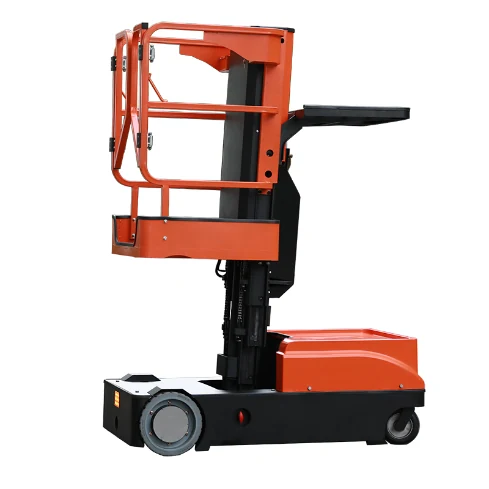
With an aerial order picker, the work is more granular. The operator may pick several items, place them in a designated tray or deck, then move them to the next location. Item size and handling position matter alongside the machine’s ratings. The heaviest item and the largest item are not always the same item, so both can be useful when checking a real order profile.
For example, the JQLIFT OPC catalog lists distinct capacities for the operator platform, cargo tray and carry deck. Those ratings describe separate areas and must not be added together to create a larger working load. The allowable combination for a selected model and task should be confirmed from the applicable machine information.
Map replenishment and piece picking as separate steps
Many warehouses need both forms of work. A reach truck can move a pallet from reserve storage to a picking location. An aerial picker can then support selection of individual items from that location. Whether the two-step arrangement makes sense depends on the order mix, replenishment frequency and space available around the pick face.
A simple process map helps expose the trade-off:
| Warehouse task | Equipment to assess | Detail to confirm |
| Move or replenish a complete pallet | Reach truck or another suitable pallet truck | Pallet, load, rack position and rated capacity at height |
| Select individual cartons or parts | Aerial order picker or an industrial picking truck | Item dimensions, operator position and goods support |
| Handle mixed orders | A planned combination of equipment | Handoffs, travel distance, replenishment timing and packing route |
The order picker measurement checklist for small warehouses can help organize route, turning and access measurements for an aerial picker. Those measurements do not replace a reach-truck assessment: a loaded pallet, rack layout and truck operating envelope bring their own constraints.
Check the aisle and the work position separately
A reach truck needs room to approach and handle the pallet at the rack. An aerial picker needs a route to the work location, room to position the machine and enough usable platform space for the permitted task. Comparing only the machine’s overall width with the aisle width can miss turns, end-of-aisle space, doorways and obstructions.
The operator’s position changes the practical reach as well. A reach truck handles the pallet with its forks from the truck. An aerial picker places the operator at the item, but that does not permit leaning beyond the platform or using a guardrail as a load support. Shelf depth, item position and the planned picking method should be checked against the actual equipment instructions.
For a real comparison, record the narrowest route, the tightest turn, the rack face and the transfer point to packing. The OPC product details give model-specific dimensions and ratings to review alongside those measurements. A reach truck quotation should be checked against its own selected configuration rather than against a generic category figure.
Choose around order frequency and travel pattern
The number of stops in an order can be as important as the height of the rack. A pallet-focused operation may make a small number of full-load moves. Piece picking can involve many short stops across several aisles, followed by a transfer to packing. A daily order sample helps show which pattern dominates and where handoffs occur.
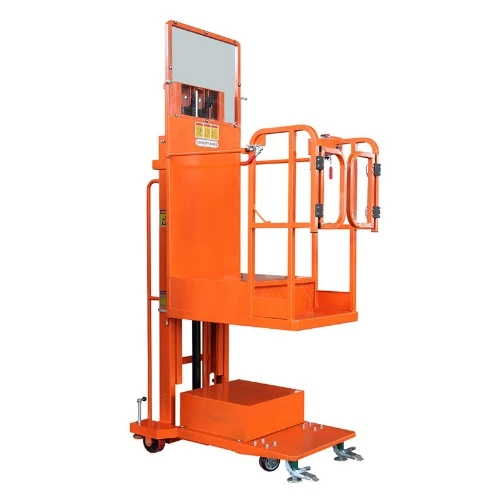
Also record how often the equipment must reposition, what is carried at each stop and whether replenishment interrupts picking. The JQLIFT T3 semi-electric aerial order picker is a different compact picking option from the fully powered OPC range. It is relevant when comparing aerial-picker formats; it does not replace the reach truck’s pallet-handling role.
Before comparing price, define the work each quotation covers. Include replenishment, picking, travel to packing, charging arrangements and operator familiarization. A lower equipment price may not reflect extra transfers, just as a more capable truck may be unnecessary for a task it rarely performs. Trial observations are more useful than a general productivity claim.
Questions to settle before choosing
Can an aerial order picker replace a reach truck?
Not for full-pallet handling unless the selected machine is specifically designed and rated for that task. A compact aerial picker is intended for its stated operator and goods arrangement. Warehouses that receive or replenish full pallets still need suitable pallet-handling equipment.
Is an order picker always a forklift?
No single label answers that. Some industrial order-picker trucks are forklift types; compact aerial pickers are a different equipment format. Confirm the operator position, load support and intended task before comparing specifications.
Which one is better for narrow aisles?
The aisle alone does not decide it. Rack type, load, machine dimensions, turning space, approach path and task all affect suitability. Compare actual machine configurations and the full route rather than relying on a category-wide rule.
Build the comparison around a real order
Bring a representative order profile to the equipment discussion: item sizes and weights, shelf positions, pallet replenishment needs, aisle and doorway measurements, and the transfer point to packing. Separate pallet movements from individual-item picks, then compare the machines against the jobs they would actually perform.
For the aerial picking portion, buyers can discuss an OPC or T3 configuration with JQLIFT. A specific model comparison should keep platform, tray and deck limits separate and confirm the permitted operating arrangement. The reach truck should be assessed against its own pallet load and rack requirements. That gives the warehouse a practical equipment plan without asking either machine to do the other’s job.


