
Order Picker Platform Height vs Working Height: How to Choose
Choosing an order picker by height is not as simple as matching a machine to the top of a warehouse rack. Platform height, working height, picking height, and overall machine height describe different measurements. Understanding order picker platform height vs working height helps procurement teams select equipment that reaches the required shelf level without creating unnecessary cost, access limitations, or overhead clearance problems.
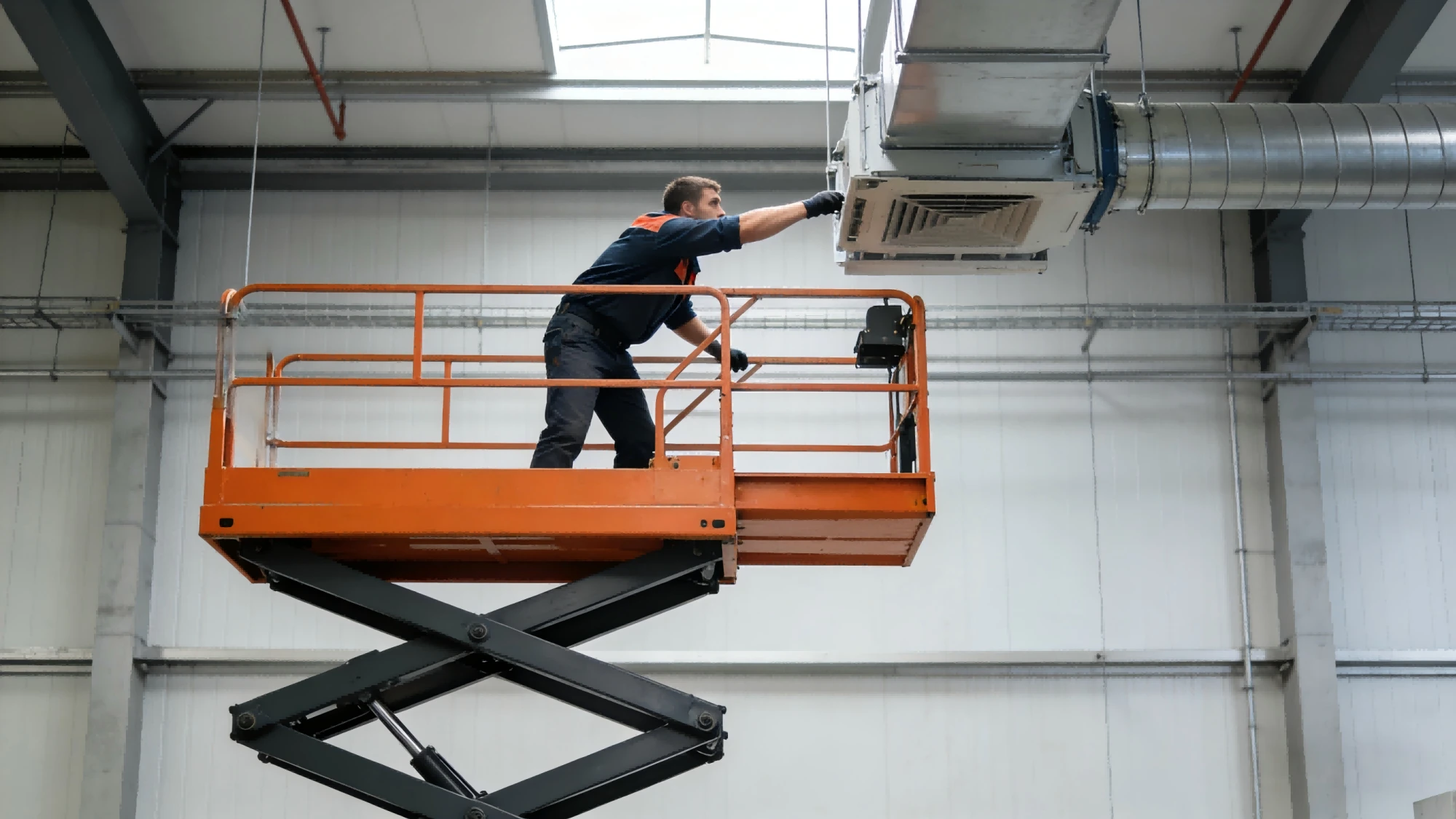
Platform Height vs Working Height
What Does Order Picker Platform Height Mean?
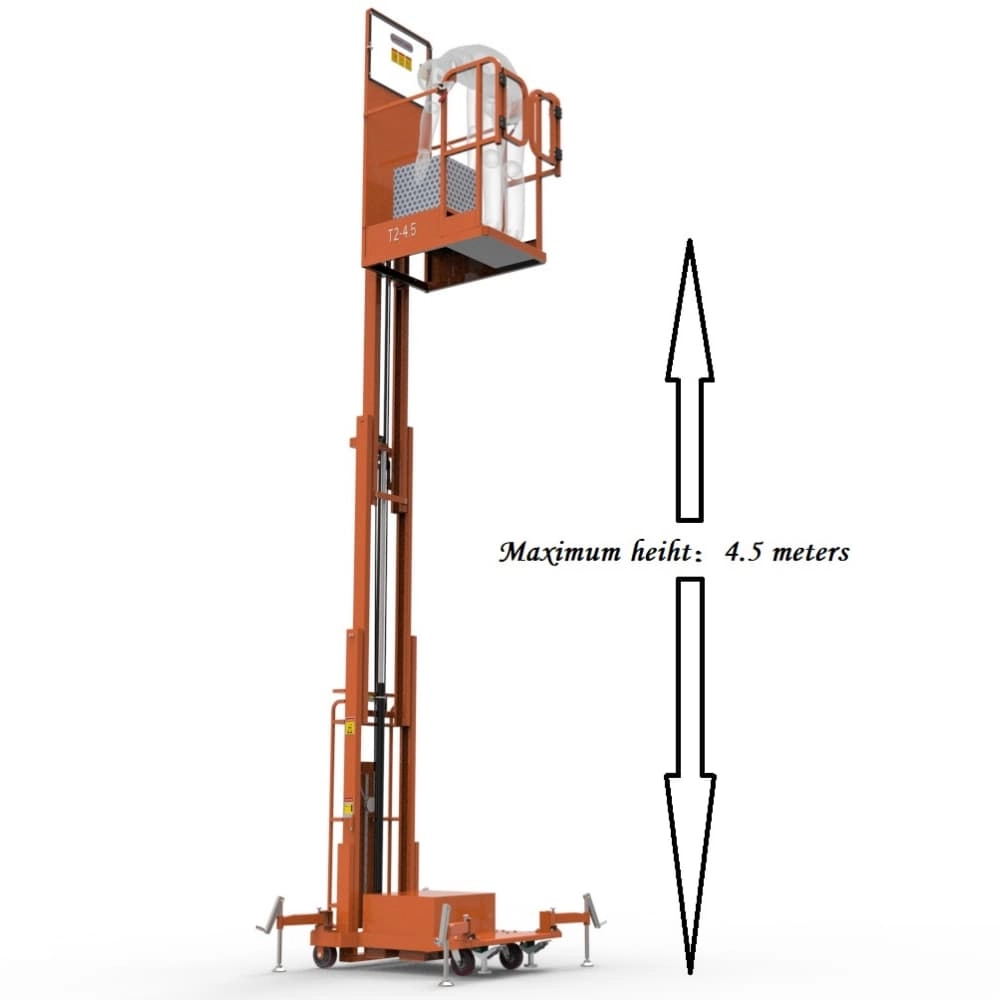
Order picker platform height is the vertical distance from the floor to the platform surface when the machine is fully raised. It is a fixed equipment specification used to separate lower and higher models within the same product series.
A machine with a maximum platform height of 4.5 meters raises the operator’s standing surface to 4.5 meters above the floor. It does not mean that the operator’s hands can only reach 4.5 meters.
This distinction matters when comparing order picker lift height specifications. Buyers who treat platform height as the total available reach may select equipment that is taller, heavier, or more expensive than the application requires.
What Does Order Picker Working Height Mean?
Working height is the approximate height an operator can reach while standing on the elevated platform. A common planning estimate adds about 2 meters, or approximately 6 feet, to the maximum platform height. However, this figure should be treated as an initial estimate rather than a guaranteed working range.
Actual order picker working height changes with operator height, arm reach, guardrail position, shelf depth, and the location of the product. A light carton placed close to the rack edge is easier to reach than a heavy component stored at the back of a deep shelf.
The manufacturer’s definition should therefore be checked whenever a specification sheet refers only to “lifting height” or “maximum lift height.”
Picking Height and Overall Machine Height
Picking Height Defines the Actual Task
Warehouse picking height is the point where the operator must scan, grip, inspect, or remove an item. It may be the surface of a shelf, the opening of a storage bin, a carton handle, or a barcode label rather than the top of the rack.
This is the most useful site measurement when deciding what order picker height is needed. Selecting equipment according to total rack height can be misleading, especially when the upper level is used only for reserve inventory.
Machine Height Determines Building Compatibility
Overall machine height describes the highest physical point of the equipment in its stowed or fully raised condition. It should be checked against doorways, ceilings, beams, lighting, sprinkler systems, ventilation ducts, and other overhead obstructions.
Each measurement answers a different purchasing question. Picking height defines the job. Platform height identifies the suitable model. Working height estimates operator reach. Overall machine height determines whether the equipment can operate inside the building.
How to Choose the Right Order Picker Height
Measure the Highest Regular Picking Point
The first step is to measure the highest position accessed during normal operations, not simply the tallest rack beam.
Top rack levels are often reserved for bulk stock and may be accessed only occasionally. Purchasing a high-level order picker for an infrequent task can increase equipment weight, storage requirements, and purchase cost without improving the daily picking process.
The measurement should run from the floor to the point where the operator’s hands must work. Shelf depth also matters. Reaching horizontally into a deep storage location can reduce comfortable vertical reach.
Estimate the Required Platform Position
The platform should allow the operator to handle goods while maintaining a controlled standing posture. Repeated overhead stretching, standing on tiptoe, or leaning across the guardrail usually indicates that the platform position is too low.
A preliminary calculation can be expressed as:
Required platform height = target picking height − practical operator reach
The practical reach allowance should reflect the expected operator, product weight, shelf depth, and handling method. Automatically subtracting 2 meters from every target picking height can result in the wrong specification.
Check Load Capacity and Site Clearances
Order picker reach height should never be considered separately from rated load. The combined weight of the operator, goods, containers, scanners, and tools must remain within the machine’s stated capacity.
Ceiling height, raised machine height, aisle width, doorway clearance, floor condition, and support-foot space should also be checked before an order is placed. A machine may reach the required shelf but still be unsuitable if it cannot pass through a doorway or deploy its stabilizing structure.
JQLIFT T3 Platform Height Options
The T3 semi-electric order picker is intended for high-level stock access in warehouses and supermarkets. Its listed configurations provide maximum platform heights of 2.7, 3.3, 4.0, and 4.5 meters. Each configuration has a rated load capacity of 200 kilograms.
The corresponding maximum machine heights are 4.0, 4.9, 5.4, and 6.2 meters. These figures demonstrate why maximum platform height and maximum machine height cannot be used interchangeably.
The higher configurations also require support feet during lifting, which means the available operating footprint must be considered alongside platform height. A lower configuration may suit routine replenishment at middle rack levels, while a taller version may be required for upper-level stock access.
The suitable model is determined by the measured picking point and site conditions, not simply by choosing the highest option in the catalog.
What B2B Buyers Should Expect From a Supplier
For businesses purchasing order pickers in volume, supplier capability is as important as product specifications. A qualified supplier should clearly define maximum platform height, machine height, rated load, support-foot layout, and available customization before recommending a model.
The JQLIFT order picker manufacturer is operated by Hangzhou Jiequ Machinery Manufacturing Co., Ltd., established in Hangzhou, China, in 2015. According to its official company profile, the manufacturing base covers more than 30 acres and is supported by more than ten research and development technicians and over one hundred skilled workers.
The company also reports software, utility-model, and invention patents, together with national and provincial high-tech enterprise recognition. For the T3 series, JQLIFT lists non-standard options that include machine-body color changes, platform enclosure modifications, and selected operational add-ons.
These capabilities allow wholesale buyers, distributors, and warehouse procurement teams to discuss fleet specifications and site restrictions before confirming a purchase.
Conclusion
The correct order picker height begins with the actual picking task. Platform height is the elevated floor level of the machine, working height is an estimated operator reach, and picking height is the physical location where goods must be handled.
Buyers should measure the highest regular picking position, evaluate practical operator reach, confirm the combined load, and check building clearances before selecting a model. Procurement teams can request an order picker height recommendation from JQLIFT by providing shelf measurements, aisle dimensions, doorway height, ceiling clearance, load requirements, and expected operating conditions.
FAQs
Q1: What is the difference between order picker platform height and working height?
A1: Platform height is measured from the warehouse floor to the raised platform surface. Working height is the approximate level an operator can reach while standing on that platform, so it is normally higher than the published platform height.
Q2: How high should an order picker be for a 6-meter shelf?
A2: A 6-meter shelf does not automatically require a 6-meter platform. The correct order picker height depends on the actual picking point, the operator’s practical reach, shelf depth, product position, and load weight.
Q3: Is order picker working height always 2 meters above platform height?
A3: No. Adding approximately 2 meters is a general planning estimate. Operator height, working posture, guardrail design, shelf depth, and product location can all change the usable working height.
Q4: Should order picker height be based on rack height or picking height?
A4: The main reference should be the highest regular picking height. Total rack height may include unused clearance or reserve storage that does not require routine manual access.


