
Harvesting Trolleys and Harvest Carts for Commercial Vegetable Production: How to Choose the Right Crop Collection Equipment
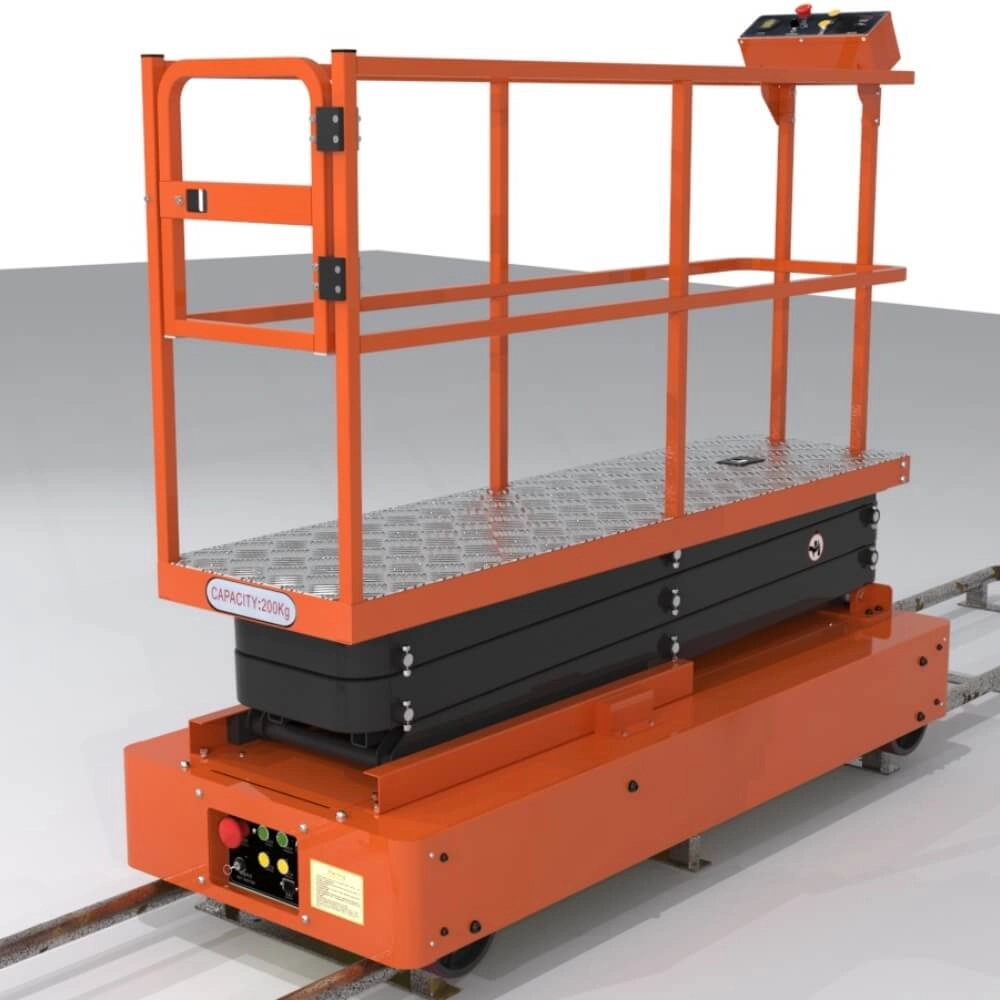
Commercial vegetable production often runs into the same practical problem: crops can be picked faster than they can be collected, moved, and delivered to the next handling point. When full crates sit in aisles, workers spend extra time walking, and the packing area receives crops unevenly, the issue is not only labor. It is usually a crop collection equipment problem. For growers, farm managers, purchasing teams, and agricultural equipment distributors, choosing between harvesting trolleys, harvest carts, picking carts, and dump trucks should be based on greenhouse layout, crop type, container size, transport distance, and daily harvest volume.
The right decision is not always the largest machine. It is the equipment that fits the harvest workflow without creating new handling problems.
Quick Answer: Which Crop Collection Equipment Should Commercial Growers Choose?
A harvest cart is usually a practical choice when crops are collected over short distances, the load is moderate, and workers need flexible movement between rows. It can be suitable for small to medium greenhouse operations, leafy greens, lighter vegetables, or farms where manual movement is still efficient.
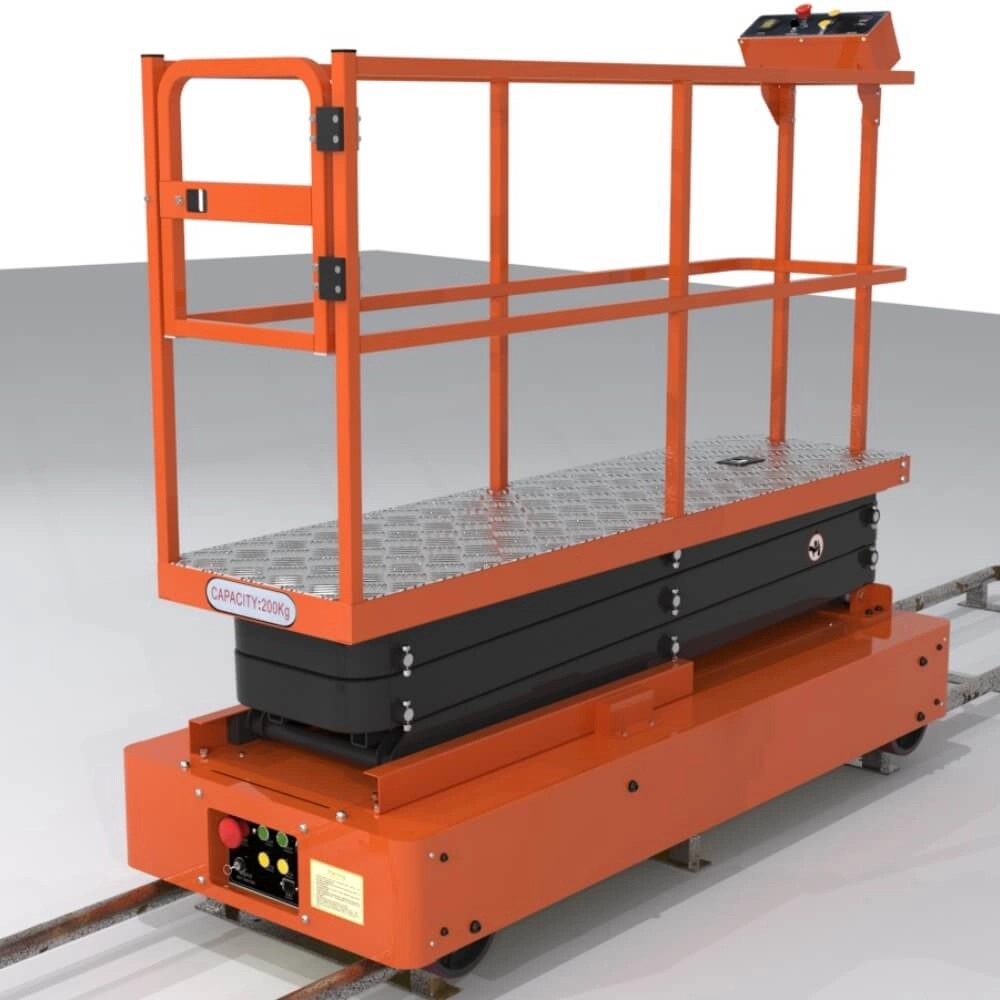
A harvesting trolley is more suitable when the growing area is larger, the harvest route is more structured, or the farm needs more stable handling between crop rows and the collection point. Depending on the configuration, a greenhouse harvest trolley may support manual movement, electric movement, or a more specialized platform structure. The exact choice should be verified against the product specification and the operating environment.
A picking dump truck should be considered when the main problem is not row-by-row collection but bulk crop transfer and unloading. In many workflows, harvest carts or trolleys collect crops near the rows, while larger transport equipment moves accumulated produce to sorting, packing, or storage areas. Buyers comparing these functions can review vegetable harvesting equipment for a broader explanation of picking carts and dump trucks.
Harvesting Trolley vs Harvest Cart vs Picking Cart: What Is the Difference?
The terms harvesting trolley, harvest cart, and picking cart are often used in similar contexts, but B2B buyers should not treat them as identical. Each term can point to a different level of structure, capacity, mobility, and application.
A harvesting trolley usually refers to a crop handling trolley used in greenhouse or farm production. It may be designed for carrying containers, supporting workers during harvesting, or moving crops through fixed routes. Some harvesting trolleys may be manual, while others may be electric or self-propelled, depending on the application.
A harvest cart is often a more general term. It can describe a cart used for collecting vegetables, fruits, containers, or harvested materials. In commercial vegetable production, a harvest cart is useful when the buyer needs flexible collection rather than a more specialized machine.
A picking cart is often used closer to the crop rows. It gives workers a mobile place to put harvested produce, reducing the need to carry crates by hand. For greenhouse vegetable harvesting, a picking cart should be selected based on aisle width, container size, wheel type, load requirements, and route distance.
The term picking lorry can appear in search results, but it is not always the same as a harvest cart for vegetables. In some markets, picking lorry may refer to equipment for specific crop systems such as mushroom production. For vegetable farms and greenhouse growers, “harvesting trolley,” “greenhouse harvest trolley,” “harvest cart,” or “picking cart for vegetable harvesting” are usually more accurate search expressions.
Why Crop Collection Becomes a Bottleneck in Commercial Vegetable Production
Crop collection problems usually begin when the harvesting process grows faster than the transport process. Workers may pick efficiently, but if containers are not removed at the right pace, the aisle becomes crowded and the picking rhythm slows down.
One common cause is excessive walking distance. When workers must carry or push crops from each row to a central point, non-picking time increases. This is especially noticeable in longer greenhouses, high-frequency harvest periods, or operations where several workers are harvesting at the same time.
Another cause is poor container handling. If crates are too heavy, stacked incorrectly, or moved on equipment that does not match the floor condition, workers may slow down to avoid tipping, crop damage, or unsafe movement. A harvest cart that is too small may require too many trips. A trolley that is too wide may block the aisle. A powered unit that does not match the route or turning space may create new operating problems.
The goal of crop collection equipment is to keep harvested crops moving without adding unnecessary handling steps. A good selection process should reduce walking, protect produce, fit the greenhouse layout, and support the next stage of the workflow.
How to Choose by Greenhouse Layout and Transport Route
Greenhouse layout should be checked before choosing any harvesting trolley or harvest cart. The most important measurements include aisle width, row spacing, door clearance, turning space, floor surface, and distance from crop rows to the packing or sorting area.
A narrow aisle may require a compact picking cart or a smaller manual harvest cart. If the equipment must pass between crop rows, the buyer should confirm whether the cart can move safely without damaging plants, irrigation lines, posts, or trays. Turning radius is also important. A cart that moves well in a straight aisle may still be difficult to turn at the end of the row.
Floor condition affects wheel selection and movement type. Concrete paths, compacted surfaces, uneven soil, and pipe rail systems may require different wheel designs or trolley structures. A greenhouse harvest trolley used on a specific rail or surface should be checked carefully against the farm’s layout. If the trolley will move between growing areas and the packing area, the route should be evaluated from start to finish rather than only within the crop row.
Transport distance is another key factor. For short routes, manual movement may be enough. For longer routes or repeated trips, electric movement or a more structured trolley system may reduce labor pressure. However, the value of powered equipment depends on load, operator training, battery or drive configuration, maintenance capacity, and daily usage.
How to Choose by Crop Type
Different vegetable crops create different handling requirements. A tomato harvest trolley may need to support repeated picking along long rows and stable crate handling. A cucumber harvest cart may need to move smoothly through greenhouse aisles while carrying containers that fill quickly during peak harvest. Pepper harvesting may require careful container placement to reduce impact and handling damage. Leafy greens may require lighter, more frequent collection with flexible carts.
For tomatoes and cucumbers, transport distance and container capacity are often important. If workers harvest along long rows and full crates must be moved repeatedly, a greenhouse harvesting trolley or self-propelled option may be worth evaluating.
For peppers, eggplants, and similar crops, buyers may focus more on container stability, easy loading, and route control. The correct choice depends on the container size, expected load, harvest frequency, and whether produce is moved directly to packing or first collected at an intermediate point.
For leafy greens and lighter crops, a manual harvest cart may be enough when the greenhouse is compact and loads are manageable. In this case, buyers should pay close attention to maneuverability, cleaning access, and whether the cart can move efficiently through the harvest route.
Manual, Electric, or Self-Propelled Harvesting Trolley?
A manual harvest cart is usually selected when the buyer wants simple operation and the working distance is short. It can be suitable for farms where equipment is used by different workers throughout the day, where the load is not excessive, and where maintenance resources are limited.
An electric harvesting trolley or self-propelled harvest trolley may be considered when manual pushing becomes a labor bottleneck. This may happen when crates are heavy, the greenhouse route is long, or workers must move crops continuously during peak harvest periods. Powered movement can reduce physical effort, but it also adds specification questions. Buyers should confirm battery requirements, operating controls, turning space, brake system, service access, and whether the equipment matches the farm’s working environment.
A larger or more advanced trolley is not automatically the right answer. If the route is short and the harvest volume is moderate, a simple cart may be more practical. If workers lose significant time moving full containers, a powered trolley may be a better investment. The purchasing decision should follow the workflow, not the product name.
RFQ Checklist for Harvesting Trolley and Harvest Cart Buyers
A clear RFQ helps the supplier recommend suitable crop collection equipment instead of guessing from a general product request. Before requesting a quotation, buyers should prepare the most relevant operating information.
Key details include:
- Greenhouse size, row spacing, aisle width, and turning space
- Floor condition, pipe rail use, door clearance, and route length
- Crop type, harvest frequency, container size, and expected load
- Manual, electric, self-propelled, or driving-type movement preference
- Required working height, platform needs, and container loading method
- Target quantity, destination market, packaging needs, and customization requirements
The buyer should also clarify whether the equipment is intended for row-side picking, crop collection, internal transport, or unloading. These are different jobs. A greenhouse picking cart that works well beside crop rows may not replace a bulk transfer machine. A picking dump truck may move larger crop volumes but may not be practical inside narrow greenhouse aisles.
Choosing a Supplier for Greenhouse Harvest Trolleys and Harvest Carts
When selecting a harvesting trolley manufacturer or harvest cart supplier, B2B buyers should look beyond product names. A qualified supplier should be able to discuss the real application: crop type, greenhouse layout, aisle width, container size, load, movement method, and whether the project needs standard equipment or configuration adjustments.
The supplier should also help buyers avoid mismatched equipment. A cart that is too wide can slow the harvest route. A trolley with the wrong wheel type may be difficult to move on the existing floor. A powered option that does not match the operating environment may increase maintenance demands. Before selecting a model, buyers should confirm the working conditions and compare them with the product specification.
JQLIFT supplies vegetable picker equipment for agricultural handling applications, including picking cars, driving picking vehicles, picking dump trucks, and manual picking carts. These product categories allow buyers to compare different directions for crop collection, row-side movement, and internal harvest transport.
For short-distance collection or row-by-row vegetable handling, buyers may review WSH-GL Picking Car as one option within the vegetable pickers product range. For larger movement or bulk transfer needs, related equipment categories can be evaluated separately based on route distance, load, and unloading requirements.
The company behind the brand, Hangzhou Jiequ Machinery Manufacturing Co., Ltd., is based in Hangzhou, China. For procurement teams and distributors, this background is relevant when reviewing whether the supplier has a defined manufacturing identity and product categories connected to agricultural handling and lifting equipment.
Conclusion
Harvesting trolleys and harvest carts are not interchangeable in every commercial vegetable production workflow. A harvest cart may be enough for short routes, lighter loads, and flexible manual collection. A greenhouse harvest trolley may be more suitable for structured workflows, longer internal routes, higher harvest frequency, or applications that require more stable crop handling. A picking dump truck should be considered when the main task is bulk transfer rather than row-side collection.
The most reliable purchasing decision starts with the application: crop type, aisle width, route length, container size, load, floor condition, movement method, and target quantity. Buyers can submit these details, along with drawings, application photos, container dimensions, operating conditions, or sample requirements, to JQLIFT for a more practical equipment discussion.
FAQs
Q1: What is the distinction between a harvesting trolley and a harvest cart?
A1: A harvesting trolley is a particular crop handling unit that is utilized in the greenhouse or farm operations whereas a harvest cart is a general name of the machine designed for collecting and transferring the harvest. When choosing among those two types for commercial vegetable production, one should take into account such factors as aisle width, distance to transfer, type of crop, size of containers, etc.
Q2: How do I select a harvest cart for commercial vegetable production?
A2: One should first determine the harvest route which means measuring such parameters as aisle width, turning radius, distance to the packing room, floor condition, and container size and compare them to the structure, wheels type, capacity and movement mode of the cart.
Q3: Is picking lorry the same as harvesting trolley?
A3: No, because in some search situations picking lorry could refer to the equipment designed for certain crops, including mushrooms. In case of greenhouse vegetables, such terminology as harvesting trolley, harvest cart, greenhouse harvesting trolley, and picking cart for vegetable harvesting would be more appropriate.
Q4: In what scenario is it appropriate to use a picking dump truck instead of a harvest cart?
A4: A picking dump truck is a better choice if the primary job is transferring crops in bulk, unloading them, or moving them from one collection point to another for packaging or sorting. A harvest cart or picking cart is preferable if the collection process involves gathering at the row side and short-distance movement within the greenhouses or growing environment.
Q5: What details should be conveyed to a harvesting trolley manufacturer before purchasing one?
A5: Useful details include crop type, size of greenhouse or growing area, aisle width, floor quality, size of containers, estimated load, amount of harvest per day, distance covered, mode of movement preferred, targeted amount, among others. This helps in recommending the right equipment for crop collection.


