
Scissor Lift Wind Rating Near Open Doors and Loading Bays
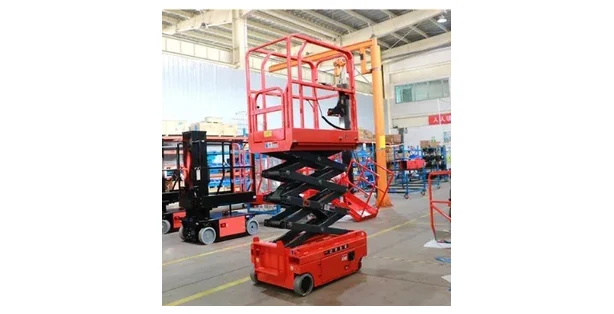
A scissor lift wind rating helps determine whether a machine can work in wind and under what conditions. It is separate from platform capacity, working height and the type of ground the lift can travel over. Before a compact lift is selected for a loading bay, open workshop or outdoor maintenance job, the buyer needs the wind limit and permitted use conditions for the exact model and configuration.
The word “indoor” deserves attention too. A roof does not necessarily remove wind exposure. Large open doors, unfinished walls and gaps between buildings can change conditions around an elevated platform. For purchasing teams, the useful question is whether the selected lift is suitable for the actual work position throughout the job.
Confirm the wind rating before planning an open-door task
The wind rating identifies a limit within the manufacturer’s stated operating conditions. It does not replace the other restrictions on the machine. Ground condition, slope, platform load, platform position and the work being performed still need separate checks.
A wind-speed figure copied from a different lift is not a reliable selection rule. Machines with similar platform heights can have different permitted conditions. Even within one product family, a buyer should confirm which model and configuration the information covers.
This matters when comparing quotations. One offer may describe an indoor compact lift, while another covers equipment intended for a different environment. Comparing only height and price leaves a major question unanswered. The intended work area should be part of the enquiry from the beginning.
Indoor work can still involve wind exposure
A fully enclosed warehouse and a warehouse with large doors open at both ends are different settings. The same applies to an occupied building and a structure that has not yet been fully clad. A lift may be physically under cover while wind reaches the platform.
HSE guidance specifically identifies partially clad buildings and large open doors as situations to consider when using indoor-only equipment. It also highlights increased wind speed and turbulence between buildings. These examples are useful during a site survey because they draw attention to conditions that a floor plan will not show.
Consider a maintenance task beside a loading-bay door. The floor may be smooth and the overhead fitting easy to reach. Yet the door may need to remain open for deliveries. The selection discussion should include that operating arrangement rather than assume the task will take place in a closed building.
A site description such as “inside a warehouse, beside an open loading door” gives JQLIFT more useful context than “indoor maintenance.” Photos can help explain the position, provided they do not replace the site assessment.
Paved-surface suitability does not establish outdoor suitability
The JQLIFT ASF mini scissor lift is described as suitable only for paved surfaces. That statement addresses the surface restriction. It should not be read as a wind rating or as permission to use the machine outdoors.
A paved yard, an indoor slab and a sheltered loading area may all have hard surfaces, but their exposure can differ. A buyer therefore needs two separate answers: whether the supporting surface is suitable and whether the machine is permitted in the expected environmental conditions.
The SF semi-electric mini scissor lift is another compact product to assess against the proposed job. Its dimensions and power arrangement can help with early screening. The permitted operating environment still needs confirmation for the selected configuration.
Product photographs show the equipment layout. They do not establish a wind rating, permission for outdoor work or suitability for a particular site. Those conclusions belong to the model-specific selection process.
Match the rating to the complete task
The work carried on the platform matters as well as the surroundings. A small tool and a large sheet are different loads to describe, even when their weights are similar. HSE’s selection guidance asks planners to consider the weight, shape and dimensions of materials being lifted.
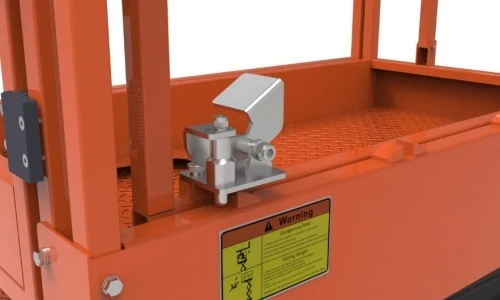
A useful enquiry should explain what the operator will handle and whether anything projects beyond the platform. Temporary screens, signs, sheets and other additions should not be treated as harmless accessories. Their proposed use needs review against the machine’s instructions and the planned work method.
For example, replacing a light fitting and holding a panel in position may require different equipment decisions. The second task introduces material size and handling questions that a platform-capacity figure alone cannot answer. This is a planning example, not a statement that either JQLIFT model is approved for panel installation.
The same care applies when the task changes after purchase. A lift selected for enclosed stockroom work should not automatically be reassigned to an exposed doorway or exterior wall because the required height is similar.
Decide how wind conditions will be checked
A weather forecast can help with planning, but the work plan also needs a way to assess conditions at the work area. HSE guidance asks how wind speed will be checked, usually with an anemometer, and who will check it. It also calls attention to local turbulence between buildings.
The competent person planning the job should establish the monitoring method and stopping arrangements using the manufacturer’s limits and applicable site requirements. A general article cannot set a safe operating number for every scissor lift or decide where a particular site’s measurement should be taken.
The arrangements should be clear before work begins. Who checks conditions? Who can stop the job? What happens if the work area becomes exposed when a door opens or a temporary wall is removed? These are practical questions for the work plan, rather than details to settle after the platform has been raised.
Weather is only one part of the assessment. The site’s scissor lift inspection and operating checks also need to address the machine’s condition and surrounding hazards. Inspection does not change the permitted wind conditions.
Questions buyers often ask
Is there one safe wind speed for every scissor lift
No single figure should be applied to every model. The limit and its conditions need to come from information applicable to the exact machine. An indoor-only designation should not be replaced with a generic outdoor limit found elsewhere.
What details matter at an open loading bay
The enquiry should describe which doors stay open, where the platform will stand and whether work continues during deliveries. A general label such as indoor maintenance leaves those conditions unclear. The permitted use still needs confirmation for the selected machine.
Can an indoor lift work beside an open door
That depends on the equipment’s restrictions and the assessed conditions at the work position. An open doorway can expose an otherwise enclosed area to wind. The word “indoors” alone is not enough to decide.
Prepare a clear operating-environment enquiry
Before requesting a configuration, describe the work position, whether the area is enclosed, nearby openings, the supporting surface, required platform height and materials being handled. State whether the job may move outside or change as construction progresses.
Then discuss the proposed work area with JQLIFT and ask which model and configuration can be considered for those conditions. A clear environmental brief keeps wind suitability separate from height, capacity and price, so the quotation can be assessed against the real job.


