
Scissor Lift Emergency Lowering Checks Before the First Job
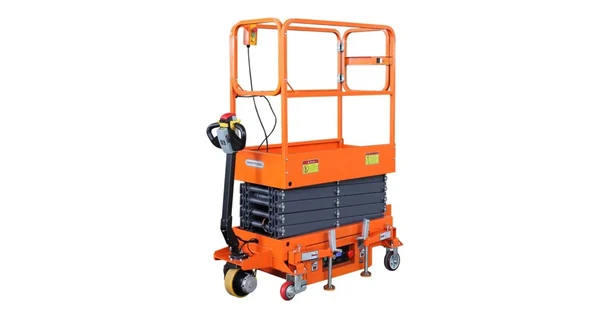
A scissor lift emergency lowering system is part of the equipment’s arrangements for bringing an elevated platform down when normal operation is unavailable. Before the first job, the site team needs to know which controls apply to the exact machine, who is trained to use them and what to do if lowering cannot be carried out safely. The presence of an emergency device is only the starting point.
For a buyer comparing compact lifts, this is a handover question as much as a product feature. A short description in a quotation can identify a function. It cannot explain the complete procedure or establish a rescue plan for the workplace.
Separate the controls from the rescue plan
Normal platform controls, ground controls, emergency stops and emergency descent systems have different roles. Their arrangement varies between machines. A familiar-looking switch or valve should not be assumed to work like the one on a previous lift.
An emergency lowering device also does not address every possible incident. A platform may be obstructed, an operator may be trapped or a machine may have a fault that requires specialist assistance. The site plan has to consider those possibilities rather than treat descent as the answer to every problem.
HSE guidance calls for a rescue plan and practice, with someone on the ground who knows how to respond and operate the machine’s ground controls. Its detailed MEWP guidance also identifies trained, nominated site personnel and contact details for competent, authorised assistance. The useful purchasing question is how those arrangements will be established for the machine entering service.
What the JQLIFT product descriptions confirm
The ASF mini scissor lift product description identifies an emergency lowering device in the chassis electrical-control section, alongside a battery-level display. This supports checking the device during model familiarisation and handover.
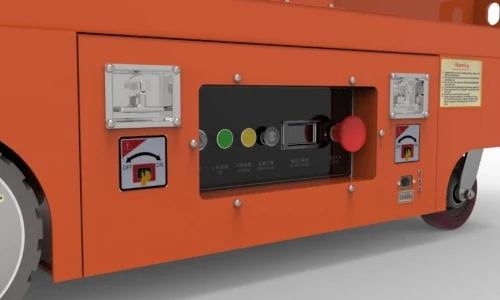
The SF semi-electric mini scissor lift description identifies a manual emergency lowering device at the control panel under the chassis. That wording provides a useful starting point for a configuration discussion. It does not justify publishing a guessed sequence for using it.
The distinction matters. A product photograph can show a control area, while the applicable operating instructions establish how that configuration is used. Buyers should ask JQLIFT to confirm the emergency-lowering arrangement and applicable instructions for the model being ordered, including any configuration changes.
Neither the product name nor the word “manual” is enough to infer which failures the function can address. The operating conditions, limitations and checks need to be understood for the actual equipment.
Make ground-level access part of the job plan
Emergency arrangements need to fit the machine’s position at the workplace. A ground control area that is reachable during handover may become obstructed by stock, temporary barriers or another vehicle after the lift is put into use.
Consider an indoor maintenance task beside storage racks. A buyer may check the travel route and platform height carefully, yet overlook where the ground responder will stand and how that person will reach the controls. The work-area review should include that access, together with pedestrian and vehicle separation.
The platform’s possible descent path also matters. HSE identifies overhead and adjacent structures as entrapment hazards. The planned response needs to account for the person on the platform and the surrounding structure. Lowering is not automatically the safe next movement in every incident.
These questions belong in the site assessment before work starts. They should not be left to an unbriefed colleague who happens to be nearby when the operator calls for help.
Arrange familiarisation for the exact machine
General operator training and model familiarisation serve different purposes. A trained operator may still be unfamiliar with the location, selection and behaviour of controls on a newly delivered lift. The same is true of the people nominated to assist from the ground.
HSE’s familiarisation guidance includes the manufacturer’s instructions, model features, control functions, safety devices and emergency lowering procedures. It also calls for familiarisation records. For procurement teams, that creates a clear handover topic without turning the buyer into the person who designs the rescue procedure.
Before the lift enters service, the responsible team should establish:
- Who is nominated to respond from the ground and how that person is contacted.
- Which instructions and familiarisation apply to the supplied model and configuration.
- How the planned emergency response will be practised under competent supervision.
- Which competent, authorised contact is available if normal recovery cannot be completed.
A controlled practice arrangement should follow the applicable instructions and site plan. Creating a fault, disconnecting components or improvising valve adjustments is not a suitable substitute for an agreed exercise.
Keep pre-use checks and defect reporting connected
Emergency functions need to be included in the applicable pre-use checking arrangements. The exact test belongs to the machine’s instructions; a generic checklist should not introduce a different procedure or require unsafe access beneath a platform.
The wider scissor lift pre-use inspection checklist covers the surrounding checks on controls, structure and platform condition. For handover, the important point is that emergency-function checks are understood, recorded as required and connected to a clear defect-reporting process.
HSE advises taking equipment out of service when a reported problem is safety critical. A failed emergency-function check should therefore be referred through the site’s competent assessment and defect process, rather than dismissed because the lift still rises normally.
After any incident or malfunction, the machine’s return to service also needs the appropriate assessment. A successful descent does not by itself establish that the original fault has been repaired or that normal work can resume.
Questions buyers often ask
Is emergency lowering the same as a complete rescue plan
No. It is a machine function that may form part of the response. The rescue plan also needs trained people, communication, access to the relevant controls and a response for situations where descent cannot be completed safely.
Can the procedure be copied from another scissor lift
It should not be assumed transferable. The control arrangement and instructions must match the exact model and configuration. Familiarisation is still needed when the team already uses other lifting equipment.
Does an emergency lowering device guarantee descent after any fault
The feature name does not establish that guarantee. Its capabilities and limitations depend on the system and the circumstances. The site plan needs a route to competent, authorised assistance when the planned descent arrangement is unavailable or unsuitable.
Include emergency arrangements in the purchase discussion
A useful enquiry identifies the selected model, proposed work area, overhead restrictions and the team responsible for handover. The buyer can then ask JQLIFT about the applicable emergency-lowering arrangement before the equipment specification is finalised.
The site team remains responsible for a workable rescue plan, training and local requirements. Clear model information and a planned handover make it easier to connect the equipment to those arrangements before the first elevated job, while there is time to resolve questions without an emergency in progress.


