
Understanding the Versatility of Hydraulic Scissor Lifts in Industrial Applications
Hydraulic scissor lifts serve as key tools in various fields. They offer safe and effective upward reach for workers and items. These lifts make tasks flow better. They also raise production rates and boost site safety with steady lift to varied levels.
The Basics of Hydraulic Scissor Lifts
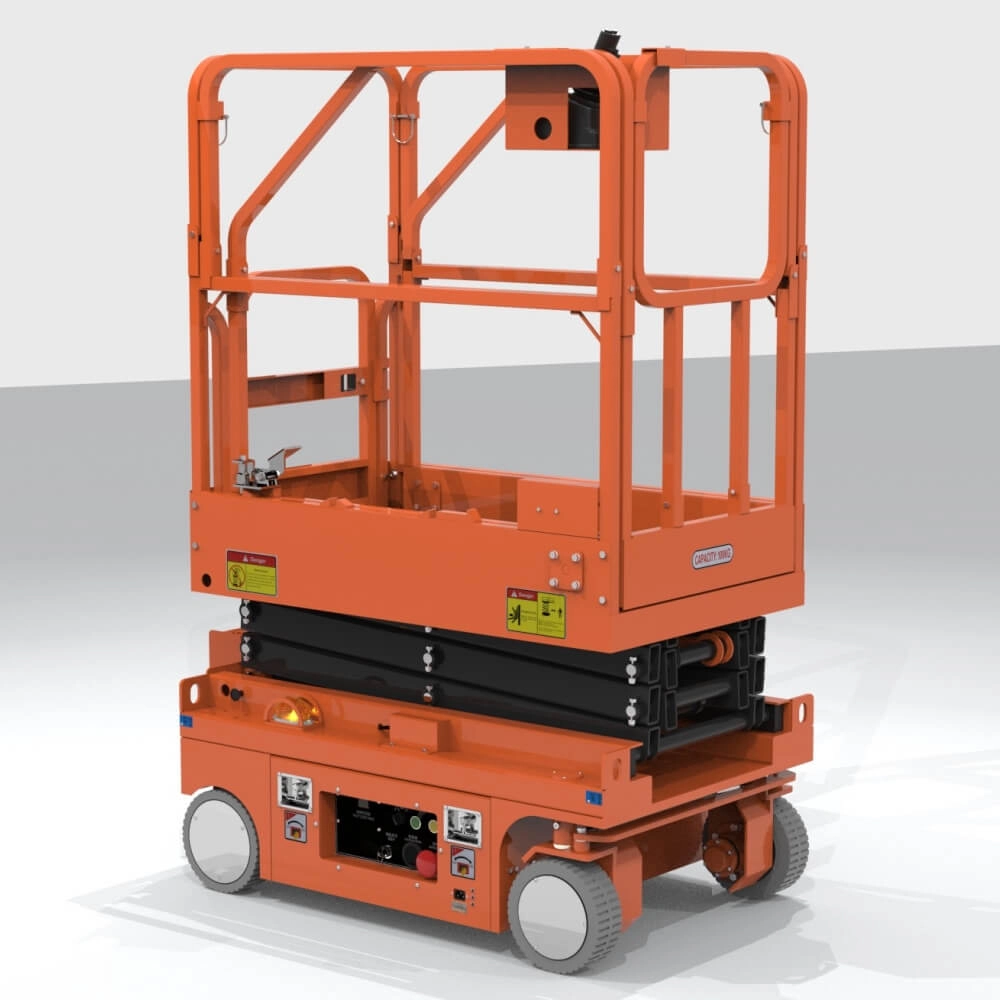
Hydraulic scissor lifts enable exact upward motion via a basic but solid setup. The core pieces consist of a work platform, scissor legs, hydraulic cylinder, and power unit. The platform carries workers or loads as it goes up. Scissor legs form a cross pattern. They stretch or shrink to manage the level.
The hydraulic cylinder draws energy from options like electricity, diesel engines, or compressed air. This process builds the required push. Pressurized hydraulic fluid flows into the cylinder. It pushes out the piston and opens the scissor legs to lift the platform. When the fluid flows out, the piston draws in. The legs fold and drop the platform in an even manner.
Key Components and Their Functions
Hydraulic fluid moves energy across the full setup. A pump adds pressure to the fluid at first. Then it directs the fluid to the cylinder to build the lift push for use.
Scissor legs build from tough steel. They create the frame link. Their stretch and pull change hydraulic push into straight platform move right away.
The power source starts the hydraulic pump. Electric types work fine in inside areas with quiet run and no fumes. Diesel kinds give firm action for outside or hard jobs. Compressed air picks suit clean rooms or blast-risk spots where electric or burn sources pose dangers. The pick of the best power source fits site setup, load wants, and rule needs.
How Hydraulic Scissor Lifts Operate
Action begins at the hydraulic pump. The pump draws fluid from a tank and forces it under pressure to the cylinder. The pressurized fluid pushes the piston out. It widens the scissor legs and lifts the platform to the wanted level. The setup holds steady at any in-between spot. This trait aids exact place for build or fix tasks.
Dropping takes the reverse steps. A managed drop of pressure, often via a valve, allows the platform weight or pull of gravity to draw the piston in. The scissor legs bend inward. They bring the platform back to ground with a guided drop to skip quick shifts.
Types of Hydraulic Scissor Lifts and Their Uses
Hydraulic scissor lifts appear in a few forms. These vary by measure, hold, power way, and place style. Knowing these changes aids in picking gear for set work needs.
Common types include:
- Table Lifts: Small units built for light loads in tight spots. These types fit into build lines or fix shops where room limits stand.
- Mobile Scissor Lifts: Moveable builds that let simple shift across work areas. Uses span store rooms, build sites, and make floors for bendy job work.
- Stationary Scissor Lifts: Set in place systems made for fixed spots like load areas or set make stands that need steady lift aid.
Fixed Installation vs. Mobile Units
Choice between set and moveable forms rests on work flow and site plan. Moveable units bring bend for shifting setups.
Mobile units do best in cases that call for often move. These cover build jobs, site fix, and multi-area work. Open sizes go from light types for worker reach to hard-use kinds that manage big loads.
Set setups give aimed, firm-stand fixes at lasting work spots. Change picks let smooth add with current make lines or base. These systems often back bigger load holds. They also offer stronger stiffness than moveable matches. This fits them for repeat heavy lift in ruled spots.
Custom Solutions for Specialized Applications
Standard hydraulic scissor lifts cover a broad set of wants. But some jobs need fit-made forms. Makers build fit changes to meet special space, load, or job calls.
Changes can cover shifts to platform size, top lift level, or rated hold. Added tools may include turn platforms for angle place, stretch decks for wider reach, or extra lift parts fixed on the main platform.
More boosts include better safety setups like locks, quick stops, lean sensors, and over-load guard. Blast-proof builds allow safe run in risk spots with burn goods or gases. These fit ways make sure top work in hard setups where standard fixes fall short.
Advantages of Using Hydraulic Scissor Lifts in Industry
Hydraulic scissor lifts offer a number of work gains that back current field needs.
Enhanced Safety
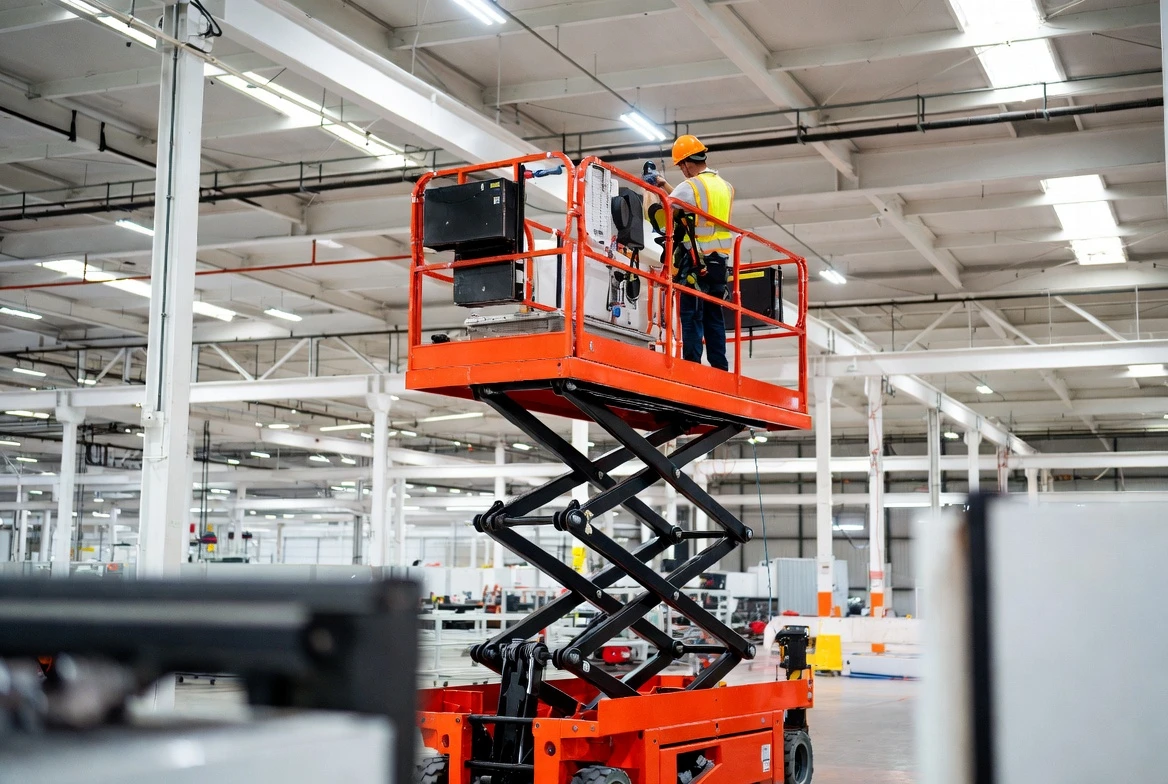
The firm, closed platform cuts fall dangers tied to steps or short-term frames. Built-in rails, no-slide faces, and auto safety traits guard workers in lift and shift.
Increased Productivity
Fast and ruled reach to high work areas quickens job end. Workers hit needed levels without repeat set or take-down. This cuts wait time and betters work flow steady.
Versatility
Fit with many setups and jobs makes these lifts useful across fields. Types adjust to inside clean spots or outside rough ground. They back worker lifts, item place, and build work.
Cost-Effectiveness Compared to Other Lifting Solutions
Hydraulic scissor lifts display good long-run money sense next to other lift gear. First buy costs line up with like systems. But steady saves grow through easy care and longer use life.
Care steps center on normal checks of fluid amounts, frame strength, and safety parts. The build has fewer hard move pieces than bend boom or pole systems. This trait cuts how often and how much fixes cost.
Worker train needs stay small due to clear controls and firm run. This cuts start time and tied costs. Tough build with good goods adds to lasting. It lowers swap rate and full own costs over years of work.
Durability and Reliability in Various Environments
Build for field calls gives hydraulic scissor lifts with strong frames and rust-fight coats. These traits let steady work under tough spots. Cases include heat shifts, dust face, or wet.
The hydraulic setup shows built-in sure work with few wear spots. Normal stick to care rules grows work life and keeps top gain. These rules cover oil of turn points, check of tubes and seals, battery look on electric types, and proof of end switches.
Set care stops surprise breaks. It backs steady make plans and cuts un-planned wait in key uses.
Key Industries Benefiting from Hydraulic Scissor Lifts
Wide use of hydraulic scissor lifts stems from their skill to manage repeat lift turns safe and well. Use spans heavy make, build steps, and special fields like fun spots and steel make plants.
Automotive and Aerospace Applications
Car make lines use scissor lifts for car build, under-part reach, and fix stands. Change levels and firm platforms aid exact work on parts at easy levels.
In aerospace, big parts like motors, bodies, and wings call for heavy-hold lifts with wide platforms. Fit forms, including low-shape builds for under-plane space or turned fix, meet special space limits in test and fix areas. These changes back hard fix, mend, and over-haul (MRO) jobs where exact and safe count most.
Other fields cover store and move for pick and stock rule, build for face work and inside end, power base for turbine or board fix, and make floors for general item hold and gear serve.
Selecting the Right Hydraulic Scissor Lift
Right gear pick betters safe, gain, and back on spend. Check starts with work measures. These hold use rate, top load (adding workers, tools, and goods), setup spots, and needed level.
Talk with tech experts gives site-fit tips. This step makes sure fit with plant limits and work add.
Factors to Consider When Buying or Commissioning
Work Environment: Inside uses like electric or battery-run units for no-fume and low-sound run. Outside or hard sites may call diesel or rough-ground kinds with better grip and weather guard.
Load Capacity: True check of full weight stops over-load. Over-load harms steady and speeds part wear. Safe edges count for move forces in shift.
Customer Support and Maintenance: Sure makers keep strong after-sell nets. These hold quick parts send and tech help. Full serve plans keep gear state good and meet safe rules.
Frequently Asked Questions
What factors determine the most suitable hydraulic scissor lift for a given industrial task?
Key considerations include maximum working height, platform load capacity, power source compatibility with the environment, mobility requirements, and any need for specialized features such as explosion-proof ratings or custom tooling.
How do hydraulic scissor lifts compare in maintenance needs to other aerial work platforms?
Hydraulic scissor lifts usually need less frequent and less complex maintenance. This comes from their straightforward mechanism with fewer articulating joints. Routine tasks focus on hydraulic fluid condition, structural lubrication, and safety system checks. These tasks contribute to lower long-term servicing costs.
Conclusion
Business seeking reliable aerial work platforms benefit from partnering with established producers of hydraulic scissor lifts and related mobile elevated equipment. JQLIFT operates as a professional manufacturer specializing in aerial work platforms (AWP) and mobile elevated equipment, including scissor lifts, vertical mast lifts, and order pickers tailored for warehouse, maintenance, and industrial applications. With a focus on quality engineering, innovation, and comprehensive support, the company delivers solutions that align with demanding operational requirements. Engagement with JQLIFT provides access to durable equipment backed by technical expertise and service capabilities designed to support long-term productivity goals. Contact the team today to discuss specific project needs and explore customized options that enhance material handling and personnel safety across facilities.


