
Avoid These Mistakes Hydraulic Scissor Lift Operation Tips
Introduction
Hydraulic scissor lifts see common use in factory upkeep, storage tasks, building sites, and building care jobs. These jobs need safe and firm height rise. Their build uses a hydraulic setup. This setup powers joined scissor arms to raise a platform straight up. When run right, these tools offer good steadiness, quick raise action, and a safe work spot up high.
Yet, run problems stay a big worry in daily tasks. Many events with hydraulic scissor lifts come not from machine flaws. They come from fixable people slips, wrong steps, and poor upkeep. Knowing these dangers and learning to skip them matters for safe and good tool use.
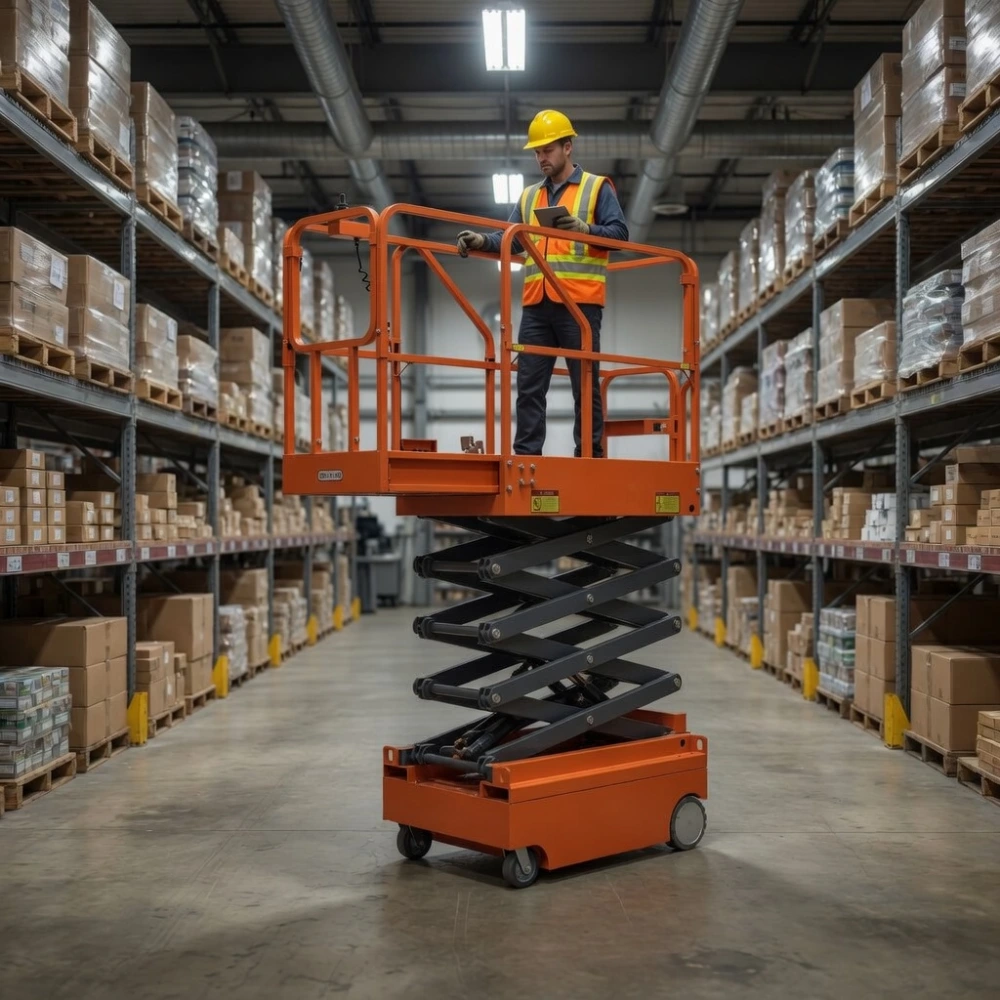
1. Understanding Hydraulic Scissor Lift Systems
1.1 Working Principle of Hydraulic Scissor Lifts
A hydraulic scissor lift runs via a pushed hydraulic setup. This setup handles fluid flow into tubes. That hydraulic push moves the stretch of linked scissor arms. As a result, the platform goes up straight. When push drops slow, the platform comes down in a steady and sure way.
This setup aims to give even raise moves and strong load steadiness. But, since the system leans much on hydraulic push evenness, any break in fluid path, seal strength, or machine line can harm work and safety.
1.2 Key Structural Components and Their Roles
The system holds a few key parts. These include hydraulic pumps, cylinders, control valves, scissor arms, platform structures, and safety control units. Each part has a clear job in keeping raise steadiness and run control.
The hydraulic system makes push. The scissor build turns that push into up moves. The control system sets care and safety. A break in any of these parts can touch the full trust of the lift.
2. Safety Protocols in Hydraulic Scissor Lift Operation
2.1 Importance of Pre-Operation Inspection
Safe run starts with full check before tool use. This step makes sure hydraulic systems lack leaks. It also checks that build parts stay whole. Plus, it tests if safety controls work right.
Pre-run looks also spot early marks of use or harm. These marks may hide in normal run. Skipping this step raises chances of surprise tool break in action.
2.2 Environmental and Load Condition Assessment
Run safety links tight to work spots. Hydraulic scissor lifts need run on firm, flat grounds. These grounds must hold the tool and its load. Sloped or weak ground spots can harm balance. They also raise tip danger.
Load spread matters just as much. When weight goes over set limit or spreads uneven, the weight center moves. This can weaken platform steadiness in raise.
3. Common Mistakes in Hydraulic Scissor Lift Operation
3.1 Ignoring Equipment Inspection Procedures
One of the top run slips is skipping usual check steps. When pre-use looks pass by, hidden troubles like hydraulic leaks, used seals, or build tiredness may stay unseen. These troubles can grow fast under weight. They lead to quick run break.
3.2 Exceeding Load Capacity Limits
Every hydraulic scissor lift has a top load limit. This limit must not pass. Putting too much on the platform adds heavy stress to the hydraulic system and build parts. This cuts raise speed. It also raises danger of unsteadiness or machine split.
3.3 Operating on Unstable or Improper Surfaces
Ground spots play a key part in lift steadiness. Run on sloped, soft, or bumpy ground can shake the full build. Even small ground flaws can turn risky when the platform goes to full up. So, right place sets a basic safety need.
3.4 Neglecting Regular Maintenance Routines
Upkeep often waits until trouble hits. But, hydraulic systems need steady watch for long run. When upkeep plans skip, hydraulic fluid dirt, seal break, and part use can build unseen. This leads to less speed and more break risk.
3.5 Improper Operational Behavior During Use
Risky run acts, like trying to shift the lift when up or using wrong ways to add work height, bring extra danger. These acts weaken build steadiness. They go against the planned build limits of the tool.
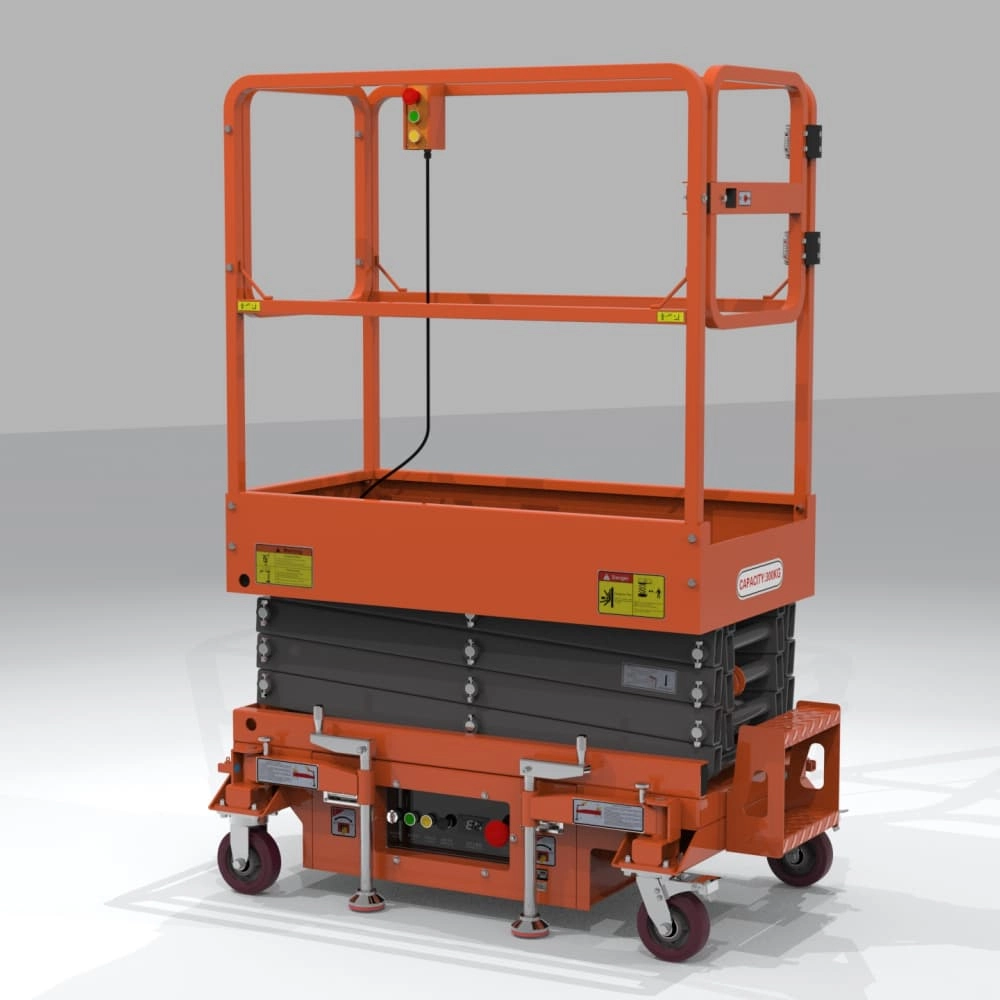
4. Proper Maintenance Practices for Hydraulic Scissor Lifts
4.1 Routine Cleaning and Mechanical Care
Keeping the tool clean matters for long run. Dust, junk, and factory dirt can build near move parts. They block machine moves. Steady clean keeps even run. It cuts use on build joins and turn spots.
4.2 Hydraulic System Monitoring and Maintenance
The hydraulic system forms the heart of lift work. It needs ongoing care. Fluid amounts must stay in set ranges. Any marks of leak or dirt should fix at once. Right hydraulic upkeep gives steady raise push and run steadiness.
4.3 Early Detection of Structural Wear
Over time, many raise cycles bring natural use to scissor arms, joins, and hold builds. Spotting early marks of shape change, rust, or machine tiredness matters to stop big tool break. On-time swap of used parts keeps ongoing safety and run.
5. Operator Training and Safety Awareness
5.1 Importance of Structured Training Programs
Run training holds a key part in stopping mishaps and making sure safe tool use. A good-planned training plan aids runs to grasp machine acts, safety setups, and run bounds.
Training also grows sense of spot risks. It strengthens right handle steps. Thus, it cuts chances of people slips in run.
5.2 Practical Skill Development and Safety Reinforcement
Direct training matters for building run trust. Real practice cases let runs grasp platform acts in varied spots. This boosts reply time and choice making.
Ongoing training strength makes sure safety know stays fresh. It lines with run rules. This holds true in busy factory spots.
Conclusion
Hydraulic scissor lifts work well and stay trusty when used right. But their safety leans much on proper run, steady upkeep, and skilled handle. Most run risks come from fixable slips. These include skipping looks, too much load, wrong place, and poor upkeep plans.
A strict way to safety steps, mixed with planned training and upkeep sense, boosts run safety and tool life much. In factory spots, trust and safety come not just from tool build. They come also from right use acts.
FAQ
1. What causes most hydraulic scissor lift accidents?
Most accidents are caused by operational errors such as improper use, skipping inspections, overloading, or working on unstable surfaces rather than mechanical failure.
2. How often should hydraulic scissor lifts be inspected?
A visual inspection should be completed before every use, while scheduled maintenance should follow manufacturer guidelines for long-term safety.
3. Is it safe to move a scissor lift while elevated?
Moving a scissor lift while elevated is generally unsafe because it increases instability and significantly raises the risk of tipping.
4. Why is load capacity so important?
Load capacity ensures that the hydraulic system and structural components operate within safe limits. Exceeding it can lead to mechanical failure or instability.
5. What is the most critical part of maintenance?
Hydraulic system maintenance is most critical because it directly affects lifting power, stability, and overall operational safety.
Call to Action: Hydraulic Scissor Lift Manufacturer & Supplier Solutions for Industrial Applications
Reliable elevated work operations require equipment engineered with precision, stability, and consistent performance standards. As a professional manufacturer specializing in aerial work platforms and mobile elevated equipment, JQLIFT provides integrated industrial lifting solutions, including scissor lifts, vertical mast lifts, and order pickers designed for warehouse operations, maintenance tasks, and industrial applications.
With a strong focus on structural reliability, hydraulic system performance, and application-driven design, JQLIFT supports industrial users with equipment built to meet demanding operational requirements. Its solutions are developed to enhance workplace efficiency, improve operational safety, and support long-term productivity across a wide range of elevated work environments.
For industrial operations seeking dependable lifting systems from an experienced manufacturer and supplier, collaboration with a specialized equipment provider ensures stable performance and safer working conditions across all applications. Contact JQLIFT today.


