
The Complete Guide to Choosing an Aluminum Alloy Lift
Aluminum alloy lifts serve as common raised work platforms. They aim for safe and quick reach to high spots. Their light build, rust protection, and solid carry power make them fit for inside upkeep, factory setup, storage moving, and structure care. Unlike old steel raise tools, aluminum alloy lifts give stronger ease of move and fit in tight spots. Thus, they form a main fix in today’s tall work tasks.
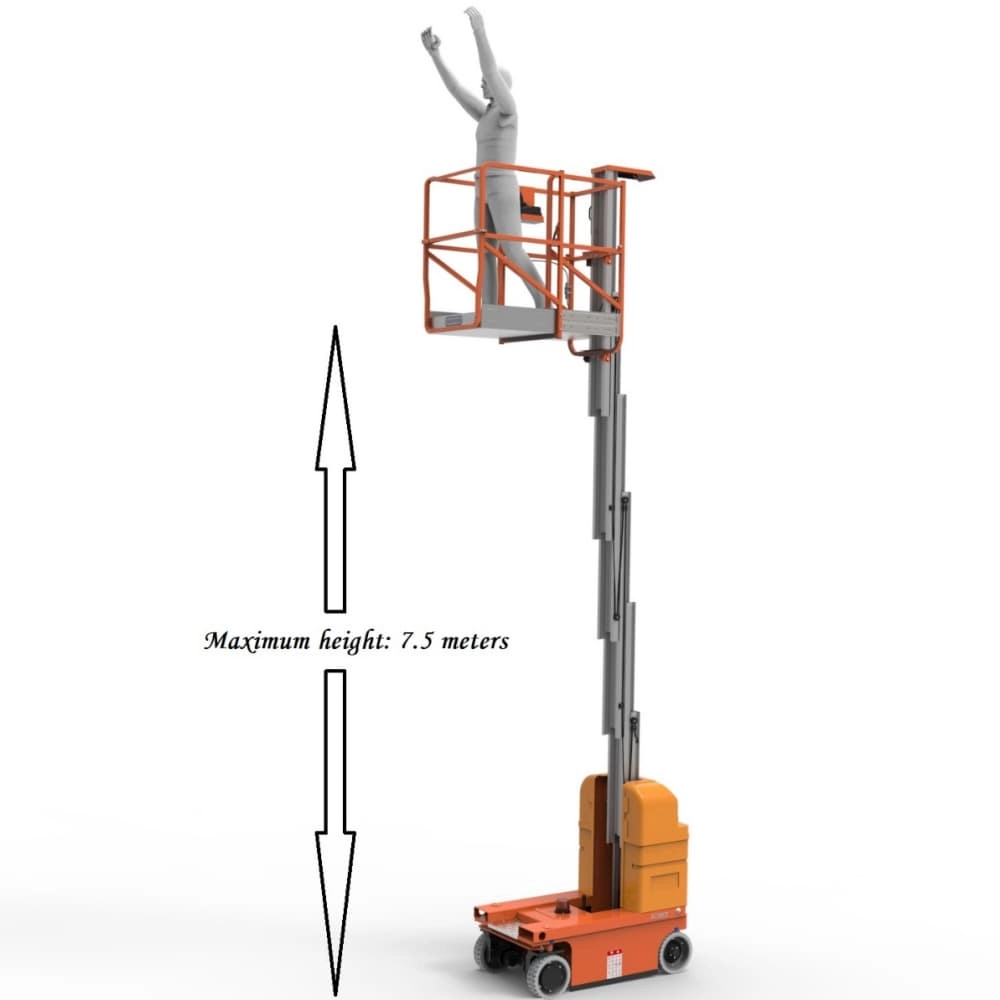
1. Overview of Aluminum Alloy Lift Technology
Aluminum alloy lifts act as raised platforms built mostly from tough aluminum alloy parts. This part gives a good mix of lightweight design and structural strength. As a result, the gear can hit key work heights. At the same time, it stays simple to shift and run.
The main plus of aluminum alloy part rests in its low weight and firm build. In factory work, aluminum alloys often fit uses that need both easy carry and steady hold. This holds true in raise setups where safety and weight check matter most.
These lifts usually fall under vertical mast lifts or mobile elevated work platforms (MEWPs). Moreover, they aim to take workers and tools to high work spots in a safe way.
2. Main Structural Components
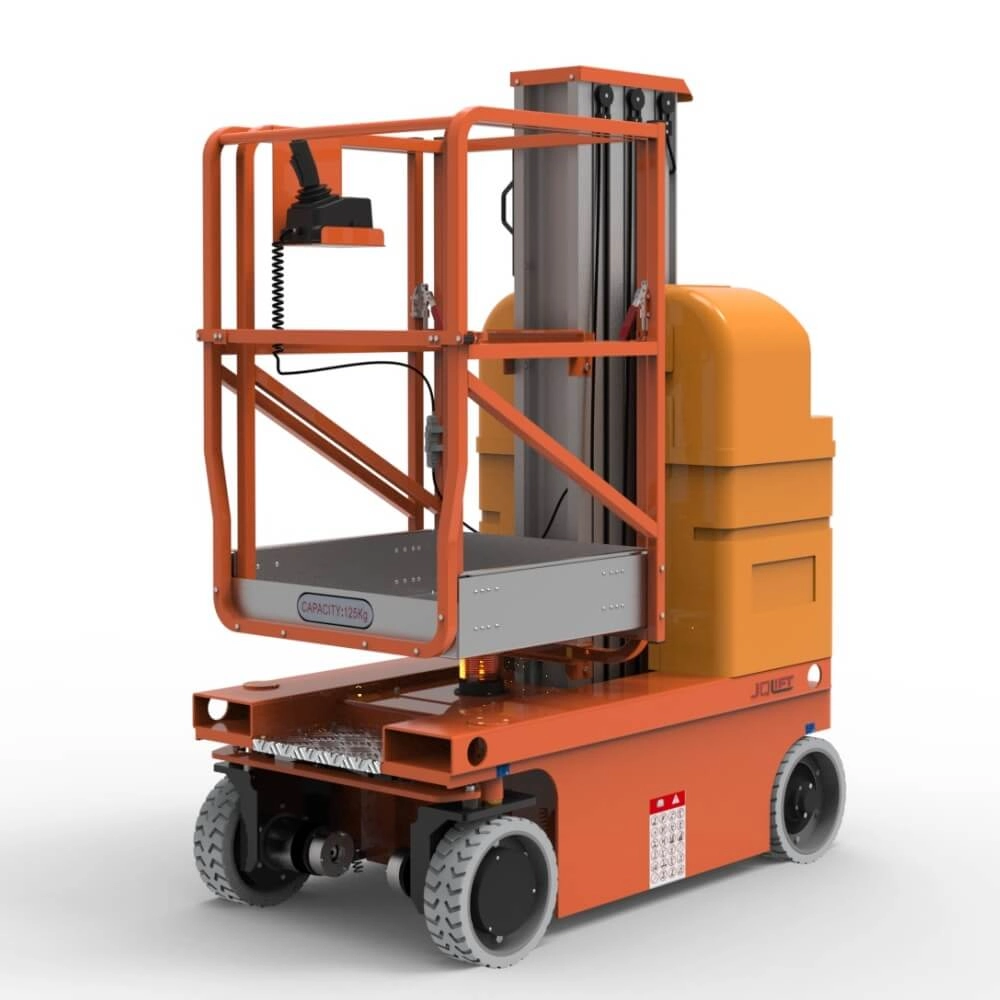
Aluminum alloy lifts get built with a small but very useful structure. The key parts cover:
2.1 Mast System
The mast forms the main raise structure. It often uses plane-level aluminum alloy shapes. It gives straight steady hold and makes sure of even raise action. Setups with many masts can boost height reach and carry steady hold.
2.2 Platform System
The work platform serves as the run area where workers stand. It often has slip-proof aluminum floor, side bars, and safety lock setups to guard the user.
2.3 Hydraulic or Electric Lifting System
The raise setup can use fluid power or electric power. It guides straight move and makes sure of smooth up and down shifts. Many setups also add quick lower acts for safety if power cuts out.
2.4 Base Frame and Outriggers
The base gives structure hold and steady stance. Legs that stretch out get used in work to stop tip and keep even on rough land.
2.5 Control System
Control boards sit on the platform and at ground level. These setups hold up/down guides, quick stop buttons, and safety signs.
3. Types of Aluminum Alloy Lifts
Aluminum alloy lifts split into some groups based on mast build and move ease:
3.1 Single Mast Aluminum Alloy Lift
This kind shows a small build fit for tight inside areas. It sees common use in upkeep jobs like light fix, decor setup, and storage runs. Its tiny base makes it very easy to guide.
3.2 Double Mast Aluminum Alloy Lift
A two-mast setup gives bigger steady hold and higher carry power. It fits uses that need taller work heights and longer run times. For example, it works in factory upkeep and big site care.
3.3 Self-Propelled Aluminum Alloy Lift
This kind adds a drive setup that lets users shift the lift without outside help. It sees wide use in big storage spots, air fields, and trade sites where often spot changes happen.
3.4 Mobile Push-Style Aluminum Alloy Lift
This stands as the simplest form. Workers push it by hand to work spots. It costs less and sees wide use in small upkeep jobs.
4. Working Principle of Aluminum Alloy Lifts
The run of aluminum alloy lifts bases on a straight raise setup powered by fluid or electric systems.
- The base setup gives steady hold through legs.
- The mast setup stretches straight with fluid tubes or electric movers.
- The platform goes up even along the mast guide paths.
- Workers guide moves with the platform control board.
- Safety setups lock the platform on their own if shaky stance or too much load shows up.
This guided raise flow makes sure of quick work and run safety in high work spots.
5. Key Advantages of Aluminum Alloy Lifts
5.1 Lightweight Structure
Aluminum alloy cuts down the full gear weight a lot. This makes carry and handle simpler without losing power.
5.2 High Safety Performance
Many safety setups like quick stop, load guard, and linked legs make sure of steady run at height.
5.3 Corrosion Resistance
Aluminum alloy fights rust and fade on its own. Thus, it fits both inside and mild outside spots.
5.4 Space Efficiency
Small build lets the gear go through normal doors and tight halls. This matters most for inside upkeep jobs.
5.5 Operational Flexibility
Various kinds let fit to different work spots, from storage to trade builds.
6. Industrial Applications
Aluminum alloy lifts see wide use in many fields:
6.1 Warehouse and Logistics
They serve for stock check, shelf reach, and gear upkeep in tall storage setups.
6.2 Building Maintenance
They appear often in office builds, hotels, and shop centers for light fix, air system upkeep, and clean runs.
6.3 Industrial Manufacturing
Factories use them for gear setup, line upkeep, and check tasks.
6.4 Public Infrastructure
They apply in air fields, stops, and show halls for site upkeep and setup work.
7. Safety Features and Operational Control
New aluminum alloy lifts mix many safety techs:
- Quick lower setup for power cut cases
- Machine lock tools to stop chance moves
- Tip and load find setups
- Steady leg hold with link guard
- Two control setups (platform and ground run)
These setups join to make sure of safe and sure raised runs in hard spots.
8. Market Development Trends
With rising need for quick tall work, aluminum alloy lifts move toward:
- Bigger auto and self-drive move
- Better battery power setups for inside use
- Stronger carry power with lighter builds
- Smarter guide setups with check back
These steps show the wider flow to safer, quicker raised work gear in world factory fields.
FAQ
1. What is an aluminum alloy lift used for?
It serves for safe reach to high areas in upkeep, setup, storage runs, and factory care.
2. Why is aluminum alloy used in lift construction?
Aluminum alloy gives high power with low weight and good rust fight, which makes it perfect for raised gear.
3. What is the difference between single mast and double mast lifts?
Single mast lifts stay more small and fit tight spots, but double mast lifts bring taller steady hold and carry power.
4. Are aluminum alloy lifts suitable for indoor use?
Yes, they see wide inside use thanks to light build, no-mark wheels, and small structure.
5. What safety systems are included?
Common setups hold quick stop, load guard, legs, and auto level tools.
Aluminum Alloy Lift Manufacturer & Supplier for Industrial Applications
JQLIFT is a professional manufacturer specializing in aerial work platforms (AWP) and mobile elevated equipment, including scissor lifts, vertical mast lifts, and order pickers for warehouse, maintenance, and industrial applications. With a strong focus on engineering precision, structural safety, and operational efficiency, JQLIFT provides lifting solutions designed to support demanding industrial environments.
As a dedicated supplier of aerial work platforms, JQLIFT focuses on delivering equipment that combines durability, stability, and ease of operation for global industrial users. Its product range is developed to meet diverse working height requirements and complex application scenarios across logistics, manufacturing, and facility management sectors. Contact JQLIFT today.


