
ANSI A92 Standards Explained: Is Your MEWP Fleet Compliant?
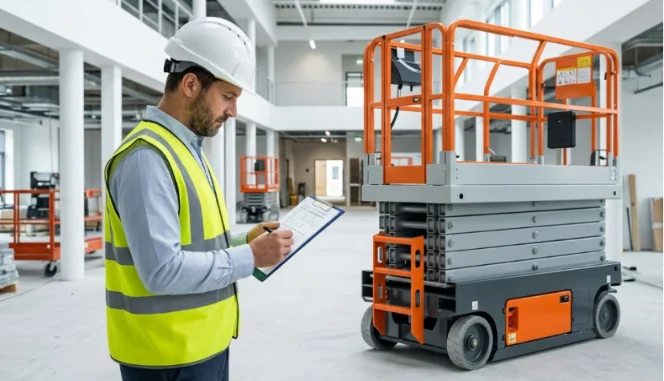
Picture this scenario on a busy Tuesday morning. Your crew is up 20 feet putting in heavy HVAC ductwork. Suddenly a safety inspector walks onto the site asking to see your machine paperwork. Your stomach drops a little bit. If you are still ignoring the ANSI A92 standards, you are taking a massive risk right now. A lot of companies are still running ten-year-old equipment and just hoping for the best. But hoping is not a real safety strategy on a dangerous jobsite. The rules changed drastically a few years ago. Old machines and old daily habits can cost your business a fortune in fines today. You need to know exactly what the law expects from your hardware and your operators to keep the job moving.
What Are the New Equipment Classifications?
A lot of old-school guys are still asking what is a MEWP anyway? It simply stands for Mobile Elevating Work Platform. The safety boards completely ditched the old AWP aerial platform name a while ago. The new name covers a huge umbrella of lifting machines. To make things safer for everyone, the standards divided all these machines into very specific groups and types based on how they move around and where the center of gravity sits during operation.
Group A vs Group B Machines
Machines now fall into two main groups. Group A means the center of gravity always stays right inside the tipping lines of the base chassis. Your standard scissor lifts usually fall right into the Group A Type 3 category because they only go straight up and straight down. Group B machines act entirely differently. Their center of gravity can extend way past the wheels. Think of large boom lifts reaching far over an obstacle or a deep trench.
Types Based on Travel
After figuring out the group, you have to look at the type. Type 1 machines can only be moved manually when they are completely folded down and stowed. You cannot drive them while elevated. Type 2 machines can travel while raised, but you have to steer them from a control panel down on the chassis. Type 3 is the most common workhorse on jobsites today. You can drive a Type 3 machine around the concrete floor while the platform is up in the air, controlling everything from the basket.
Why Are Old Machines Failing Inspections?
Just knowing the new name of the machine is not enough to pass an audit. The actual hardware requirements got a massive overhaul too. You cannot just slap a fresh sticker on a rusted 1998 lift and call it good to go. The physical design rules changed specifically to stop operators from doing dangerous things. Nobody wants the headache of failing OSHA inspections just because of outdated equipment that lets a worker overload a basket.
Active Weight Limits
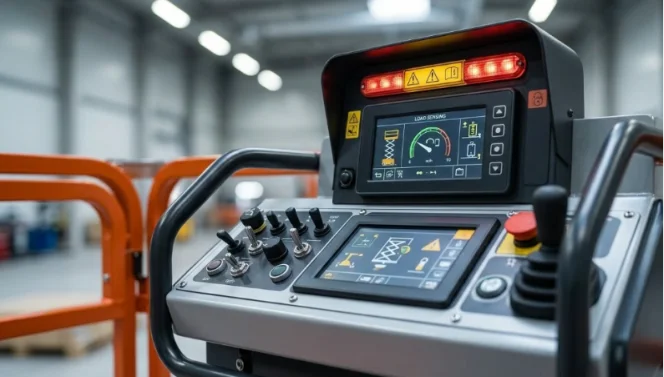
In the old days, a guy might try to squeeze three heavy toolboxes and two coworkers onto a tiny deck. If the motor lifted it, they went to work. That is totally illegal now. You can no longer just guess the weight. A strict platform load sensing system is now mandatory on all new machines leaving the factory. If somebody puts too much heavy drywall on the platform, the machine senses the extra weight and literally shuts down. It will flash a loud alarm and refuse to lift until you take the heavy stuff off.
Wind Ratings Matter Now
Wind knocks over more machines than almost anything else outdoors. Previously, operators just kind of guessed if the wind felt too strong to work. Now, manufacturers must build machines for specific environments. There is now a huge legal difference between an indoor vs outdoor scissor lift. Indoor machines might be completely prohibited from going outside because their base is not heavy enough to handle a sudden gust of wind. Outdoor machines are rated for specific wind speeds, usually around 28 miles per hour.
Do You Have the Right Paperwork on Site?
Having good machines is really just half the battle. The new standards lean incredibly heavy on documentation and daily planning. An inspector will ask for your paperwork before they even bother to look at the tires on your lift. You cannot just hand over the keys to a worker without a written MEWP safe use plan physically sitting on the site.
Required Site Assessments
Before anybody turns the key to start working, somebody has to walk the actual ground. You have to document things like steep drop-offs, hidden holes, power lines above, and how much weight the floor can actually hold. If a guy drives over a hidden trench and tips the machine over, the first thing the lawyers will ask for is that written site risk assessment.
Planning for Emergencies
Things break. It is just reality on a dirty and busy construction site. What happens if the battery dies 30 feet up in the air? What if the operator suddenly passes out? You need a documented MEWP rescue plan ready to go. The guys standing on the ground must know exactly how to use the emergency lowering valves to get the platform down safely. If nobody on the ground knows how the auxiliary controls work, you are violating the standard.
Who Actually Needs to Get Trained Today?
The days of just showing a new kid which joystick goes up and down are completely over. The training requirements expanded to include almost everyone near the machine. The biggest shock for most companies is the management side. Even if you never step foot on the platform yourself, you still need MEWP supervisor training. If you tell guys where to drive the lift or assign them to a task up high, the law says you must be trained on the hazards. Plus, any regular passenger riding in the basket just to change a lightbulb also needs basic safety instructions from the certified operator.
How Do You Upgrade Your Fleet Without the Headache?
Upgrading a whole fleet of old lifts sounds like a massive financial nightmare for a manager. But holding onto non-compliant junk will eventually cost you a lot more in severe penalties and jobsite accidents. The easiest fix is upgrading your fleet with fully compliant scissor lifts that take the daily guesswork out of the job.
Finding the Right Equipment Partner
When you are looking to refresh your yard, you need to look at manufacturers who build safety into the metal itself. This is exactly where JQLIFT shines. They engineer their scissor lifts to completely exceed the latest global safety mandates right out of the factory doors. You do not have to wonder if the load sensors or the wind ratings are up to code because JQLIFT builds those strict protections directly into the internal control systems. Their electric models are incredibly rugged but feature the exact smart diagnostics and rigid guardrails that safety inspectors love to see. Buying from a company that prioritizes heavy-duty compliance means you can send your machines to any strict urban jobsite with total confidence. Your operators stay safe, your projects stay on schedule, and you never have to sweat a surprise safety audit ever again.
FAQ
Q1: Do old lifts need to be retrofitted with load sensors?
A: Usually no. The standard is generally based on the date the machine was manufactured. You must maintain older machines to their original factory standard and strictly enforce their capacity limits on the job.
Q2: Can I use an indoor scissor lift outside if there is no wind?
A: Absolutely not. If the manufacturer plate explicitly says indoor use only, taking it outside is a direct safety violation regardless of the good weather that day. The machine lacks the required stability for outdoor terrain.
Q3: Who writes the safe use plan for a rented machine?
A: The company renting and using the equipment is totally responsible for the site safety plan and the rescue plan. The rental company provides a safe machine and the manual, but the user manages the actual jobsite hazards.
Q4: How long does MEWP training last?
A: Operator certifications do not have a strict expiration date under the new rules. However, you must evaluate operator performance regularly. If they cause an accident or if you buy a totally new type of machine, retraining is mandatory.
Q5: Are fall arrest harnesses required in a scissor lift?
A: The standards require guardrails as the primary fall protection in Group A Type 3 machines. Harnesses are generally not legally required inside a scissor lift basket unless your specific local site safety rules demand them.


