
Why a Semi-Electric Order Picker Is Better Than a Scissor Lift for Warehouse Picking Tasks
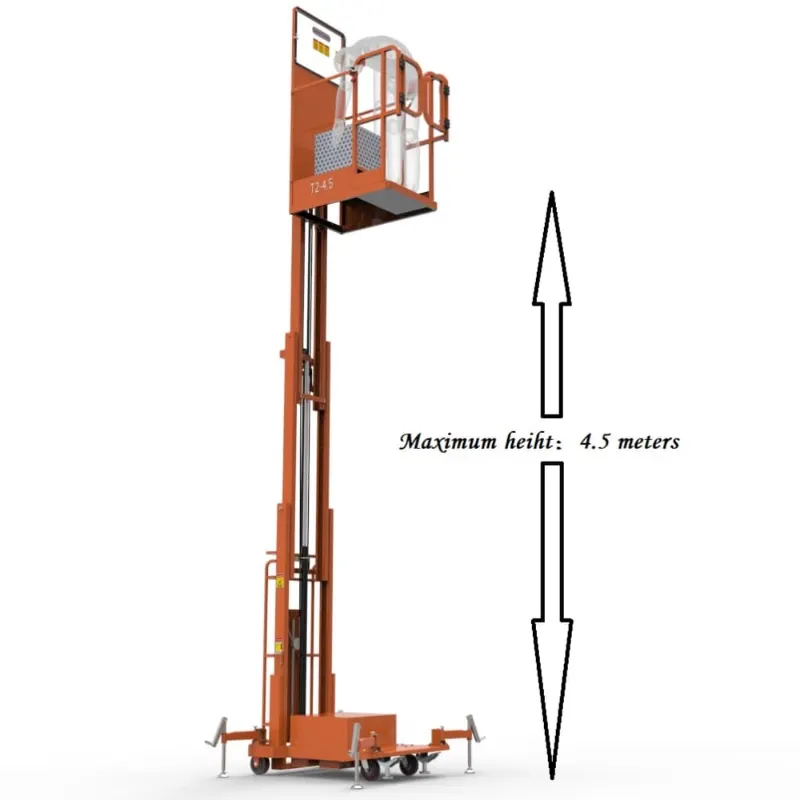
Picking work often feels like the heartbeat of a warehouse. Orders come in waves. Some days the pace is calm, and on others it feels like someone turned the dial up without warning. When this happens, you rely on equipment that moves with your rhythm instead of slowing you down. Many facilities still keep scissor lifts around because they are familiar, but once you compare them with a semi electric order picker designed for high-frequency picking, the difference becomes clearer than expected. This article explores how each machine fits everyday warehouse picking tasks so you can choose the tool that actually helps productivity rather than making your team adapt to the wrong equipment.
Introduction: Warehouse Picking Challenges?
If you handle daily picking work, you already know the usual pain points. Most orders include a mix of small items across several shelf levels. You raise the platform, grab a carton, move a few meters, repeat the same motion again and again. This is where delays quickly add up. A machine built for height access might reach the top shelf, but picking isn’t only about height. It’s about movement flow, fatigue management, and keeping a steady rhythm during long shifts.
Before diving into the comparison, it helps to define the job you’re trying to support: quick picking cycles, safe handling of items, smooth travel in narrow aisles, and equipment that doesn’t require complex thinking during busy hours.
How Picking Tasks Shape Equipment Needs
Picking work rarely involves heavy repair tools or long stays at one height. Instead, you deal with small boxes, plastic totes, spare parts or lightweight components. You lift, lower, and reposition constantly. If your equipment feels slow or heavy, the whole day slows with it. This is why machines dedicated to picking usually outperform general lifting platforms in real warehouse conditions.
What Is a Semi-Electric Order Picker?
A semi-electric order picker is a compact lifting device created for warehouse picking tasks. You control lift height with simple electric buttons, and most movement happens manually through light steering or short-distance pushing. The machine fits narrow aisles and makes repetitive height changes feel effortless. In busy seasons, that convenience becomes a real advantage because every second saved on each pick compounds across hundreds of picks.
This type of equipment belongs to the same functional group as a stock picker, though each model varies slightly in structure. All aim to support picking rather than repair work.
How This Equipment Behaves in Real Shifts
Imagine pulling items from Level 2 or Level 3 shelves dozens of times per hour. A semi-electric picker lifts you quickly, helps you maintain a comfortable position, and lets you shift to the next rack without long delays. Operators often comment that the machine feels like an extension of their movement. The learning curve is small, and that helps when your team includes temporary staff or workers rotating between departments.
What Is a Scissor Lift and Why Is It Common in Warehouses?
A scissor lift uses a cross-braced lifting mechanism and usually runs on batteries or hydraulics. Warehouses often use it for lighting repairs, duct inspection, overhead replacement, or occasional high-level maintenance. It is stable, strong, and built for jobs where you stay elevated for long periods.
But the same structure that supports stability also makes the machine heavier, slower to adjust, and less nimble in tight warehouse aisles.
Why This Matters in Fast Picking Work
In high-frequency picking, you don’t want to wait while a large machine lowers slowly or takes extra room to turn. Scissor lifts excel in vertical reach and platform stability, but those qualities matter less when you’re picking small parts across dozens of rack sections. Most operators notice the mismatch immediately after switching between the two machines.
Semi-Electric Order Picker vs Scissor Lift: Key Differences
Once you look at real workflows, the order picker vs scissor lift comparison becomes more than a simple spec sheet exercise. Picking tasks are repetitive. Movement is constant. Operators rarely stay at one height for long. With these realities in mind, the strengths and weaknesses of each machine stand out.
Purpose-Built for Picking vs Maintenance Work
A semi-electric picker is shaped to support constant entry and exit. The step height is low, rails are placed where workers naturally hold, and the platform design suits small items and cartons. A scissor lift is built for stability, not agility. It shines during repairs, not during continuous pick-and-move cycles.
Speed and Efficiency During Busy Hours
Picking teams often chase targets measured in lines per hour. A semi-electric machine lifts faster over short distances, and the operator can reposition it quickly. A scissor lift takes more time between actions. Over a full shift, that extra time becomes significant. It’s similar to using a large truck for a short city delivery route. It works, but it isn’t ideal.
Load Capacity and Reach Differences
A scissor lift usually handles heavier loads and reaches higher ceilings. But for picking—where most items weigh under 20 kilograms—those advantages don’t help as much. A lighter picker with a smaller footprint makes more sense for shelves below common warehouse mezzanine levels.
Maneuverability in Narrow Aisles
Modern warehouses often build narrow aisles to maximize storage volume. Some aisles may reach only 1.4 meters. Heavy scissor lifts struggle here. This is where a warehouse order picker proves more suitable. You can turn it with less effort and maintain good pace even during peak hours.
Operating Cost and Maintenance Routine
A semi-electric model has fewer components to service. You charge it, check the platform, test controls, and it’s ready. A scissor lift needs more frequent technical inspection. Over months or years, the difference in maintenance time becomes quite noticeable, especially in medium-sized facilities.
Daily Safety Considerations
Picking work involves constant climbing and stepping. A machine built for this rhythm improves safety by keeping steps shallow and controls simple. Workers feel less tired because they don’t fight against the machine’s weight or awkward movement patterns. Scissor lifts are safe, but their size and slower transitions can contribute to worker fatigue during repetitive tasks.
Why Semi-Electric Order Pickers Improve Warehouse Productivity?
Order accuracy and speed influence customer satisfaction. When equipment helps workers keep momentum, your overall throughput improves. You eliminate unnecessary walking between shelf levels and reduce downtime caused by slow platform travel. In many cases, managers notice performance improvement within the first week of use.
Real Gains Noticed by Warehouse Teams
Workers usually mention that they can finish tasks quicker without feeling rushed. The machine’s light steering and fast lift response help them keep a natural rhythm. Even small improvements, like shaving three or four seconds off each pick, add up over hundreds of lines per shift. Some warehouses see a noticeable drop in worker fatigue, which indirectly boosts accuracy.
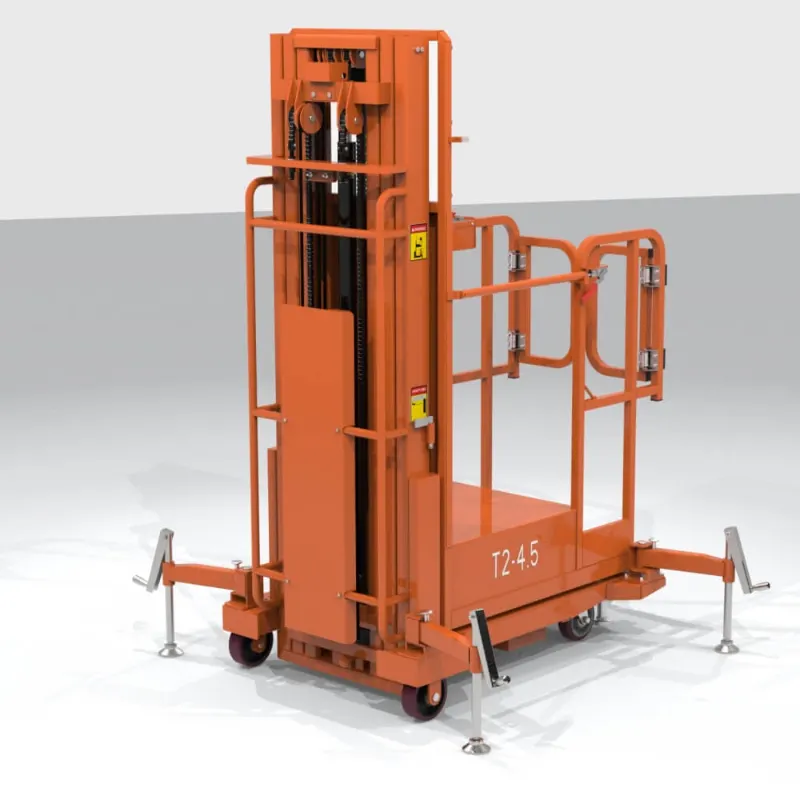
Case Example: How the T3 Semi-Electric Reclaimer Performs in Real Warehouses?
This model fits environments with mixed-size items, from electronic components to small packaging materials. Teams use it for shelf restocking, part retrieval, and support tasks around packing stations. Because the device moves easily, supervisors sometimes assign one picker per zone, cutting down on travel time between sections.
New operators find it approachable. They don’t need to memorize complex controls. That helps keep training time short during seasonal hiring surges.
When Should You Choose a Semi-Electric Order Picker Over a Scissor Lift?
If your main workload involves frequent picking rather than occasional repair work, the choice becomes clearer. In narrow aisles or multi-level shelf environments, the smaller machine offers smoother movement. If you measure performance by lines picked per hour, the machine’s speed advantage quickly shows.
Situations Where the Smaller Machine Wins
E-commerce warehouses, spare-parts storage rooms, assembly-line supply zones, and distribution centers tend to benefit most. During holiday rush seasons or big promotional events, the machine helps maintain steady output even as order volume spikes.
Company Introduction
Hangzhou Jiequ Machinery Manufacturing Co., Ltd., or JQLIFT as people often call it, makes lifting equipment just for warehouses and logistics work. They have a good history in this area. They stress machines that are simple and easy for workers to use in daily tasks. These tasks include picking orders, doing regular fixes, and helping in the warehouse. JQLIFT stands out because they pay attention to steady lifting parts, strong frames, and controls that are simple to handle. Their products come from real needs in the field, not just ideas on paper. That is why you see their machines at work in warehouses, small factories, places for retail goods, and service areas. They use lots of real experience and a clear idea of how warehouses run. So, JQLIFT keeps making tools that help places work better and safer.
FAQ
Q1: Is a semi-electric picking machine suitable for long shifts?
A: Yes. It moves easily and lifts fast, which reduces operator fatigue through repetitive pick cycles.
Q2: Can a scissor lift handle small picking jobs if needed?
A: It can, but it may feel slow. It’s mainly designed for stable height access, not frequent stop-and-go picking.
Q3: Does a picking machine work in tight aisles?
A: Most models are compact enough for narrow aisles, making them a practical fit for space-limited warehouses.
Q4: Which machine is easier for new workers?
A: The picking machine usually requires less training thanks to its simple and intuitive controls.
Q5: What type of warehouse benefits most from a picking machine?
A: Facilities with high-frequency picking tasks, such as e-commerce fulfillment, spare-parts storage, or multi-level carton retrieval.