
Upgrade Your Height Work The Power & Precision of Hydraulics
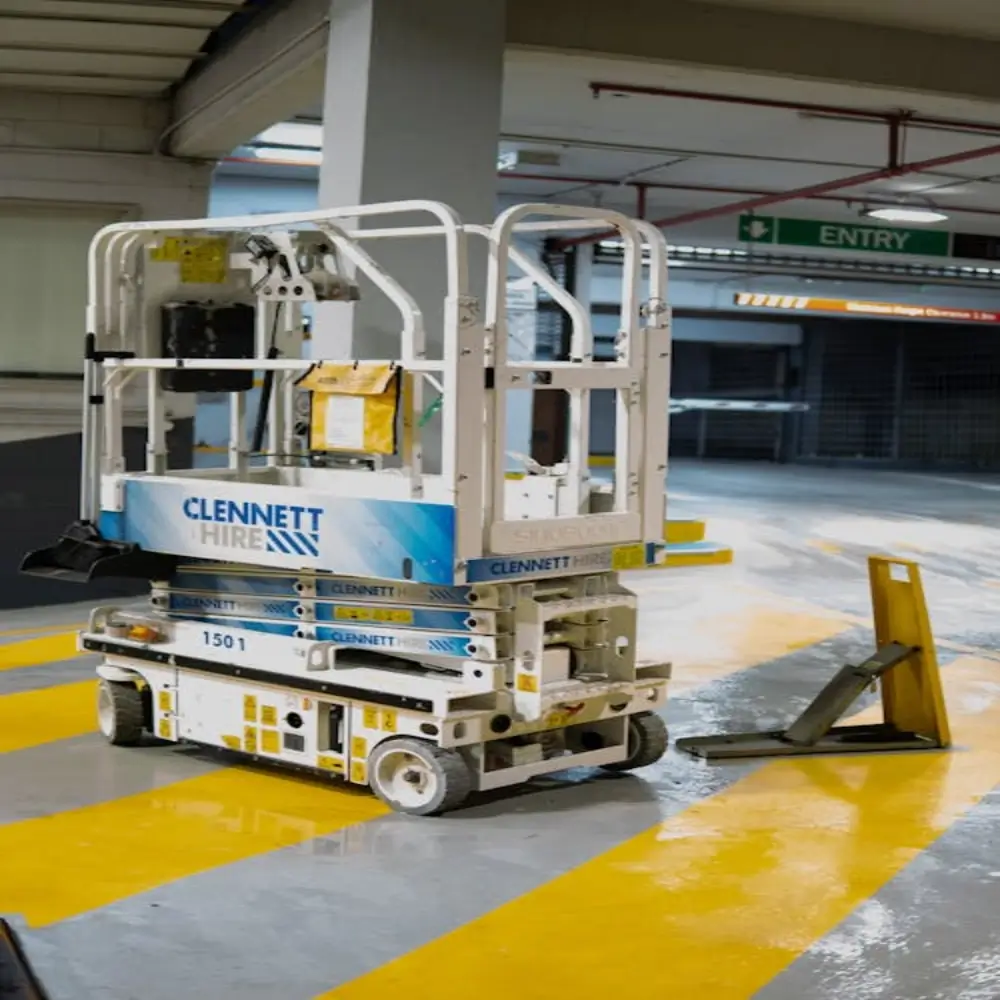
Whether you’re fixing high-bay lighting, setting HVAC units on rooftops, or managing vertical storage in a busy warehouse, today’s hydraulic lift systems are changing how workers handle jobs up high. They offer solid reliability, strong power, and — above all — good control. This setup makes work safer and quicker when going up.
If you need a maker that focuses on hydraulic lift options for tight and city spots, check out Hangzhou Jiequ Machinery Manufacturing Co., Ltd. (JQLIFT). Since 2015, JQLIFT has built top-notch aerial work platforms. These include scissor lifts and single-person vertical mast lifts. All of them stress safety and good results. Their gear shows up in warehouses, shopping centers, and building sites across the globe. With more than 30 acres of factory space and a crew of able workers and design experts, JQLIFT’s equipment mixes clever controls with tough construction. You can see their whole range at JQLIFT official site.
Core Principles Behind Hydraulic Height Access Equipment
Hydraulic lifts don’t only raise things. They do it with strength and steady handling that basic mechanical setups can’t beat. That’s why they’re key in spots where exact moves and steady repeats count a lot.
How Hydraulic Systems Generate Lifting Power?
Every hydraulic platform has a basic yet mighty idea at its center: fluid push. A pump squeezes the hydraulic fluid. Then it sends it into a cylinder. There, it presses on a piston. That piston shifts straight up. It raises the platform on top. Cylinders turn the fluid push into straight motion. So the lift feels powerful and even.
Fluid doesn’t squash down. Because of that, it lets you guide the motion in small steps. This helps a ton when lining up gear or stuff above. Sync controls keep the load steady. They work well even in tricky tasks.
Key Components in a Hydraulic Lift System
A strong hydraulic lift involves more than pistons. It has a few vital pieces.
- The pump creates the system’s push.
- Cylindrical actuators change that push into action.
- Valves manage the fluid’s path and speed.
- A reservoir stores extra fluid. It helps cool and reuse it.
All these parts must team up right. Bad seals or hoses can cause drips or big pressure falls. That’s why checking upkeep matters so much.
Types of Hydraulic Lifts for Height Work
Not every task needs the same lift. Picking the best one hinges on the height you want, what you’re raising, and how small your work area is.
Scissor Lifts and Their Vertical Advantage
Scissor lifts rank as some of the most common hydraulic platforms. They stand out for steady footing and up-down only shifts. That makes them great for jobs like fixing ceilings or setting up indoors.
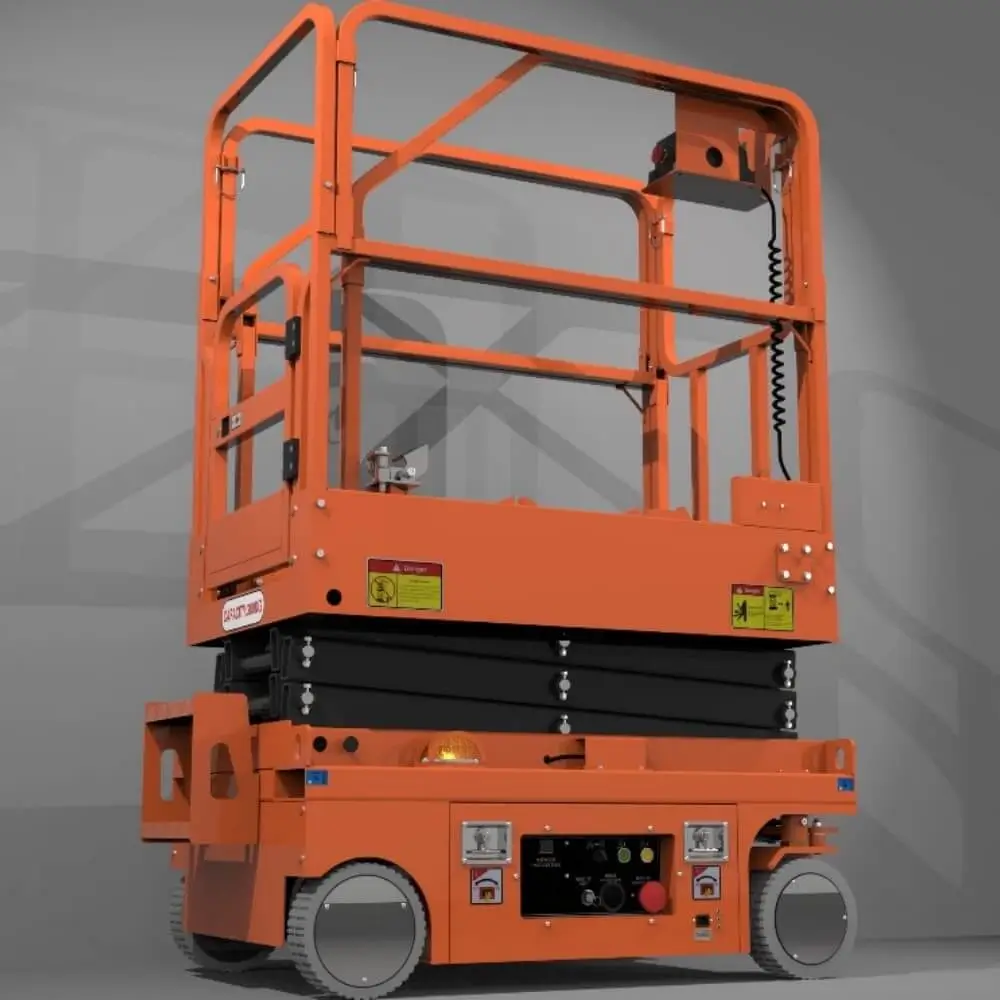
Most use a crossing brace setup. It stretches out as the lift goes up. Take the ZSF hydraulic small scissors model. It hits lift heights up to 4.8 meters. Plus, it has a small base that fits narrow paths or crowded floors. It uses rear-wheel drive. Meanwhile, the front wheels steer through hydraulic cylinders. This gives exact turns and sure safety.
Certain types let platforms stretch out. Others add rear-wheel drive for better moves in snug areas.
Single-Person Aerial Work Platforms (AWPs)
For solo work or spots with low floor weight limits, single-person lifts do well. These small units often tip the scales under 500 kg. Yet they can climb to 8 meters working height.
JQLIFT’s AL all-electric aluminum alloy lift goes up to 7.5 meters. It slips into elevators with ease. That’s ideal for upkeep in malls, hotels, or museums. There, big machines would just be too much.
Telescopic Boom Lifts and Articulating Lifts
For outside jobs that need height plus reach — think trimming branches or fixing overhead wires — telescopic and articulating lifts fit the bill.
Their stretchy arms handle side moves. Bendy joints let them curve past blocks like air ducts or beams. Such bendiness suits tough sites. There, the work spot isn’t always right below.
Precision Control: What Sets Hydraulic Systems Apart
Work at great heights calls for more than just going up. It needs full command. New hydraulic setups provide that with smart valve tech and sharp sensors.
Fine-Tuned Movement via Flow Control Valves
Hydraulic flow control valves let workers handle moves with tiny tweaks. You can adjust by millimeters while up there. This proves handy for lining up glass sheets or sliding rods into spots.
To skip sharp jolts that might shake the platform, builders add flow limiters. They ensure gentle starts and easy stops.
Safety Enhancements Through Load-Sensing Technology
New hydraulic lifts have load sensors. They check weight spread right away. The systems tweak pressure based on the current load. This stops over-stretches or lean dangers.
If folks add too much weight — even a bit — sensors can halt the action. Or they send a heads-up before trouble hits.
Durability Factors in Long-Term Use of Hydraulic Platforms
Hydraulic lifts make solid long-haul buys. To squeeze the most from them, think about stress spots and weather damage.
Wear Points and Maintenance Requirements
Regular checks are vital. Seals, hoses, and links wear out over time. Look them over every few months for splits or leaks. Dirty fluid is a warning sign too. If it seems murky or has a burned scent, flush the whole thing.
Environmental Considerations for Longevity
Working in dusty or rust-prone areas? You might need extra filters. Cold spots call for low-thick hydraulic oil. That keeps things quick in chill temps.
Smart Upgrades: Integration of Electronics with Hydraulics
Old-school hydraulics now pair with fresh electronics in top platforms. This gives workers better info. It also sets up smart fix schedules ahead.
Digital Controls Improve Operator Feedback
Touch screens often swap out old levers on many units. They show live details like fluid heat, lean angle, and power level.
Blunder codes aid fixers in spotting problems. No need for full breakdowns. That cuts time on fixes.
Remote Monitoring & Predictive Maintenance Features
Sensors linked to the web let you track use hours, load runs, and even weather from afar. Warnings come before parts give out. This slashes stoppages a bunch.
Such tools help bosses with fleets. They handle several machines over different sites.
JQLIFT’s Role in the Evolving Market of Height Access Solutions
City spots need small tools that pack real punch. JQLIFT steps up with fresh ideas here.
Compact Solutions for Urban Workspaces
JQLIFT shines in making small hydraulic lifts for one-user jobs and scissor styles. These suit packed city sites. There, easy moves beat raw strength. Their units are tiny enough for tight halls. But they’re strong enough for hard chores, all safe.
Design Philosophy Focused on Safety & Efficiency
Safety leads every model’s build. JQLIFT’s platforms use two-way safety valves. They also have beefed-up scissor arms. These hit world load rules without losing easy carry. It’s not only about getting high. It’s about doing it without risks.
Common Missteps When Using Hydraulic Lifts at Height
No tool is perfect if handled wrong. Even with top systems, slip-ups by users cause most breaks or hurts.
Overloading Beyond Rated Capacity
A couple more tools can tip a platform over its safe edge. Even a little extra strains the hydraulics or frame. Always eye the info plate before piling on.
Ignoring Floor Load Ratings Indoors
Scissor lifts look steady. But they push hard loads down at points. Spread the weight with base pads on tile floors or raised levels. That skips building harm.
Future Trends Shaping Hydraulic Lift Technology
Coming hydraulic lifts won’t just get tougher. They’ll turn sharper, greener, and simpler to tweak.
Electrification of Hydraulic Drives
Battery-run electric-hydraulic mixes are catching on. They suit indoors best, where noise and smoke stay low. These run clean but keep the lift’s might.
Modular Platform Designs for Customization
No more full new buys for varied jobs. Some makers now sell switchable platforms, bars, or control setups. They fit exact tasks.
FAQ
Q1: What’s the typical maintenance cycle for a hydraulic scissor lift?
A: Upkeep should happen every 3–6 months based on how much you use it. This covers fluid checks, seal looks for wear, valve tests, and control tweaks.
Q2: Can hydraulic lifts be used on uneven ground?
A: Yes. But only with auto-level setups or steady outriggers to hold balance while running.
Q3: How high can a compact single-person lift go?
A: Most hit 6–8 meters working height. They keep indoor sizes and safe weight spread.
Q4: Is it safe to use a hydraulic lift near electrical lines?
A: Only if it’s insulated or rated non-conductive. Stick to OSHA rules for space around live power.
Q5: Are JQLIFT platforms certified internationally?
A: Yes. JQLIFT items meet CE rules. They get tested under ISO9001 quality systems.