
Top 7 Safety Features to Look for When Buying a Vertical Mast Lift | Essential Safety Tips
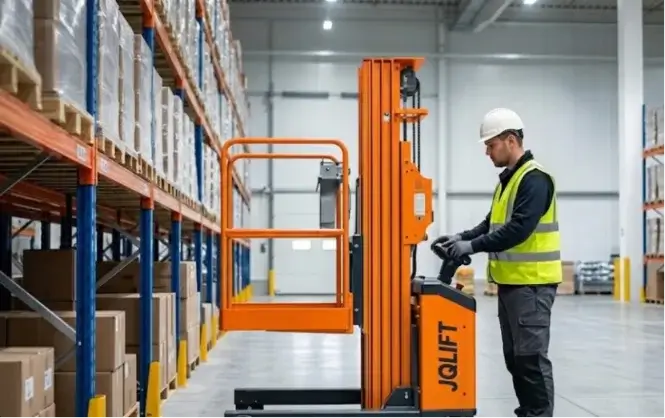
When you buy a vertical mast lift, safety must come first. You use these lifts in places like warehouses, construction sites, or other spots where you need to reach high areas. The right safety features can really help avoid accidents. There are many models out there, so it helps to know what to check for. This guide lists the top seven safety features that a good vertical mast lift should have.
Before we get into the details, note that companies like JQLIFT make vertical mast lifts. They focus on building strong, long-lasting, and safe machines for different jobs. Their gear follows high standards for trust and safety. That gives users calm feelings while they work.
Now, here are those key safety features.
Why Are Safety Features Important in Vertical Mast Lifts?
Safety needs to be number one with any aerial lift. Vertical mast lifts raise people up high for jobs like fixing things, getting items from shelves, or doing repairs. These lifts are small and work well, but they can be risky without good safety parts.
Knowing why these features matter helps you pick a lift that cuts down on dangers. They stop falls, keep the lift from tipping, and make sure everything works right to avoid breaks or harm. With that in mind, let’s look at the main things to think about when you choose a vertical mast lift.
Safety Feature 1 — Guardrails and Fall Protection
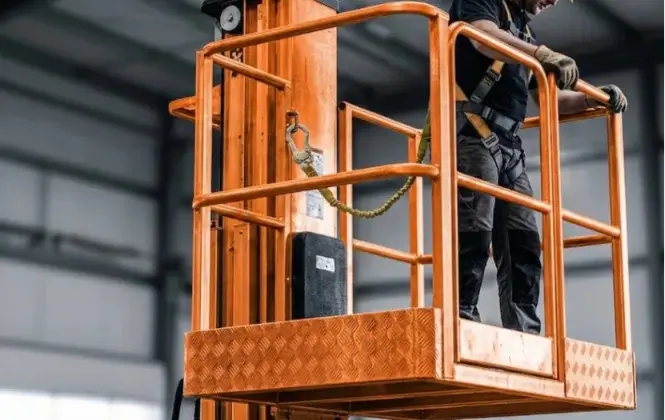
Guardrails and fall protection are among the most key things to check. Working high up always brings a chance of falling. So, the platform needs strong guardrails all around it. These stop people from slipping off by accident.
The guardrails should stand tall enough. They also need to hold up against bumps or pushes during use. Many lifts have points where you can hook a safety harness. This lets workers tie in and stay safe even if they move around on the platform.
For example, during work on tall buildings, people shift from spot to spot. Good guardrails can turn a risky task into a safe one. When you look at a lift, make sure the guardrails meet the rules for safety. Also check that fall protection is simple to use.
Safety Feature 2 — Load Sensing and Overload Protection
Overloading is a big problem. That’s why load sensing and overload protection matter so much. A vertical mast lift should have a system that checks the weight on the platform. It warns the person in control if the load gets too heavy.
This setup stops issues from too much weight. Overloading can make the lift tip or break parts. Newer lifts often have smart sensors. They show info right away so the lift stays in its safe weight range.
Think about stocking tall shelves. If you put on too much, the system beeps or shows a light. That stops big problems and keeps the operator safe.
Safety Feature 3 — Tilt Sensors and Level Monitoring Systems
Tilt sensors and level checks help keep the lift steady. They watch the angle of the lift. If the ground is uneven or the position is wrong, they warn the operator fast.
If the tilt goes past a safe point, the system can stop the lift or shut it down right away. This matters a lot on rough sites or outside where ground changes.
For instance, outdoors on bumpy land, these sensors tell you when things are not level. You can fix it before trouble starts. This cuts down tipping risks a lot.
Safety Feature 4 — Emergency Stop and Lowering Controls
Problems can happen any time. That’s why an emergency stop is a must. The button should be easy to reach. When you press it, the lift stops moving at once.
Many lifts also have a way to lower down in an emergency. This lets you bring the platform to ground level slowly if power fails or something breaks. You don’t need electricity or hydraulics to work for this.
Picture this: power goes out while you’re up high. A manual lower option gets you down quick and safe. No need to wait for help.
Safety Feature 5 — Stable Base Design and Automatic Braking
The base of the lift plays a big role in staying steady. A vertical mast lift needs a wide base to lower tipping chances. On top of that, automatic brakes stop the lift from rolling or moving once set.
The brakes turn on when you raise the lift. This keeps it in place while someone is up. It’s very useful in busy spots with lots of action around.
On smooth floors, these brakes add extra safety. You don’t worry about sudden moves. They help a lot in places with people walking by.
Safety Feature 6 — Non-Slip Surface and Platform Design
The platform needs a surface that won’t let you slip. At height, any slide can cause big trouble. So, use textured floors or rubber covers for good grip. This works even when things get wet.
A smart platform also has raised edges. These stop tools or items from falling off. Everything stays put during work.
On a wet day in a warehouse, floors turn slick. A non-slip platform keeps feet firm. That lowers slip risks in tough spots.
Safety Feature 7 — Operator Controls and Lock-Out Systems
Controls should be clear and simple to use. They need to respond fast and feel natural. Plus, lock-out parts stop people who aren’t trained from running the lift.
This cuts chances of wrong use. Only people who know how can start it. Controls should work smooth in a hurry too.
Lock-out systems lower risks from untrained hands. That’s key on big sites where many people walk near the lift.
FAQ
Q1: What are the most important safety features to look for when buying a vertical mast lift?
A: The main ones are guardrails and fall protection, load sensing and overload protection, tilt sensors, emergency stop systems, stable base design, non-slip surfaces, and operator controls with lock-out systems.
Q2: How does a load sensing system improve safety?
A: It warns you if the weight goes over the safe limit. This stops overloads that could break things or make the lift unstable.
Q3: Why are tilt sensors important for mast lifts?
A: They watch the angle and stop work if things get unsteady. This helps avoid tips on rough or bad ground.
Q4: How can I safely lower a vertical mast lift in an emergency?
A: Most have manual lowering controls. These let you bring it down slow and safe if power or parts fail.
Q5: What should I do to ensure I am using the lift safely on site?
A: Check all safety parts first. Make sure ground is level. Use fall protection right. Follow all rules for running and care.
In the end, picking a vertical mast lift means more than just size or power. Safety features matter most. Focus on things like guardrails, load checks, and emergency stops. That way, you get a lift that keeps the operator and others safe while they work.