
Single Person Lift Benefits Compared to Small Lift Tables for Precision Work
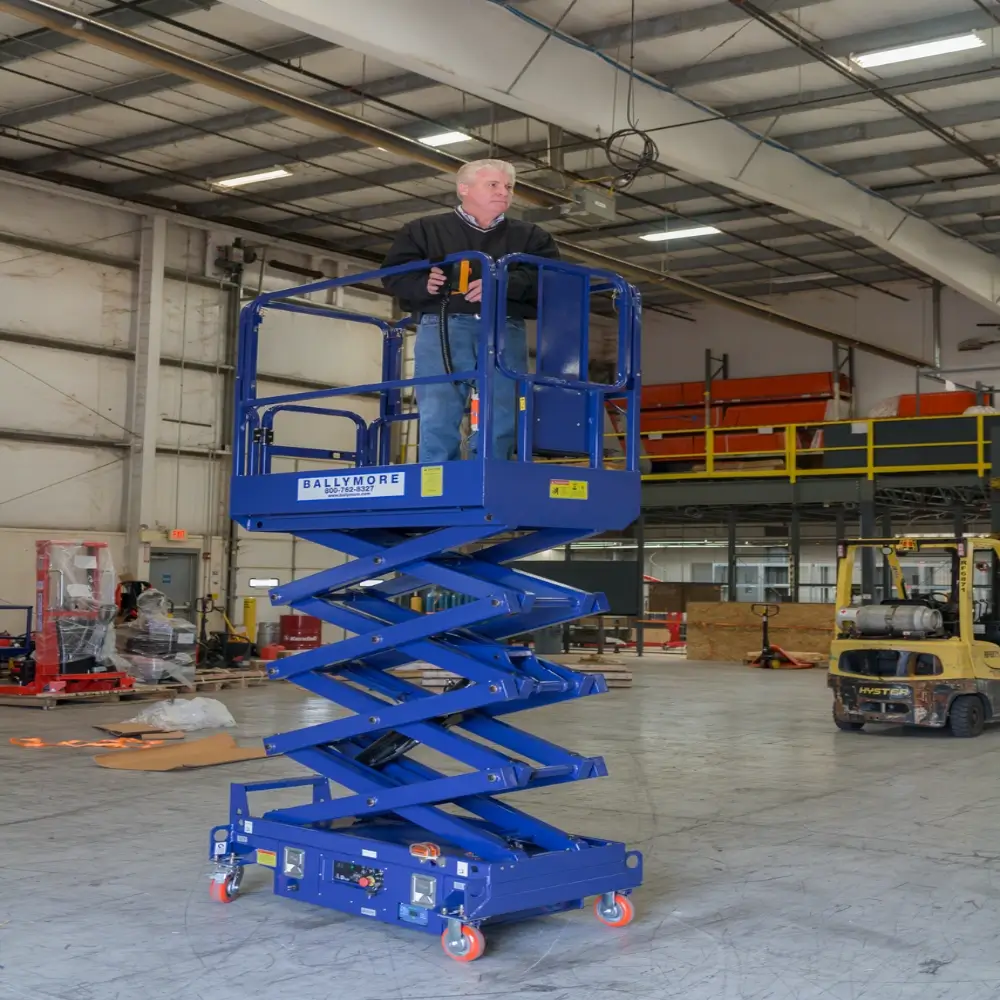
In fields like electronics assembly, warehouse tasks, and building upkeep, picking the best lifting gear matters a lot. It affects safety, output, and expenses directly. Two common options here are single person lifts and small lift tables. Both handle up and down movement. Yet their main jobs, comfort benefits, and fit for daily use vary in key ways that aren’t always clear right away.
Now, if your area needs small but strong lifting tools for tasks up high or for placing items just right, consider Hangzhou Jiequ Machinery Manufacturing Co., Ltd. (JQLIFT). This company sits in Hangzhou’s Qiantang District. It started in 2015. JQLIFT focuses on well-made aerial work platforms and lift tables. Their products cover electric aluminum mast lifts to scissor lift tables for narrow factory spots. They hold many patents. Plus, their research team is solid. JQLIFT serves clients worldwide. You can learn about the company here, or reach out through their contact page.
Comparing Core Functions in Precision Work
Primary Use Cases in Industrial and Workshop Settings
Pick between a single person lift and a lift table based on the job type first. For reaching high spots—like setting up overhead lights or swapping ceiling sensors—a single person lift works best. Operators go up with the platform. They do the work. Then they come down. No ladders or scaffolds needed.
Small lift tables suit moving materials instead. They shine in assembly lines or spots where workers raise heavy parts to a good height. This helps with jobs like lifting motors or lining up pieces at easy levels. Their job stays put, but it’s key.
Differences in Design and Operation
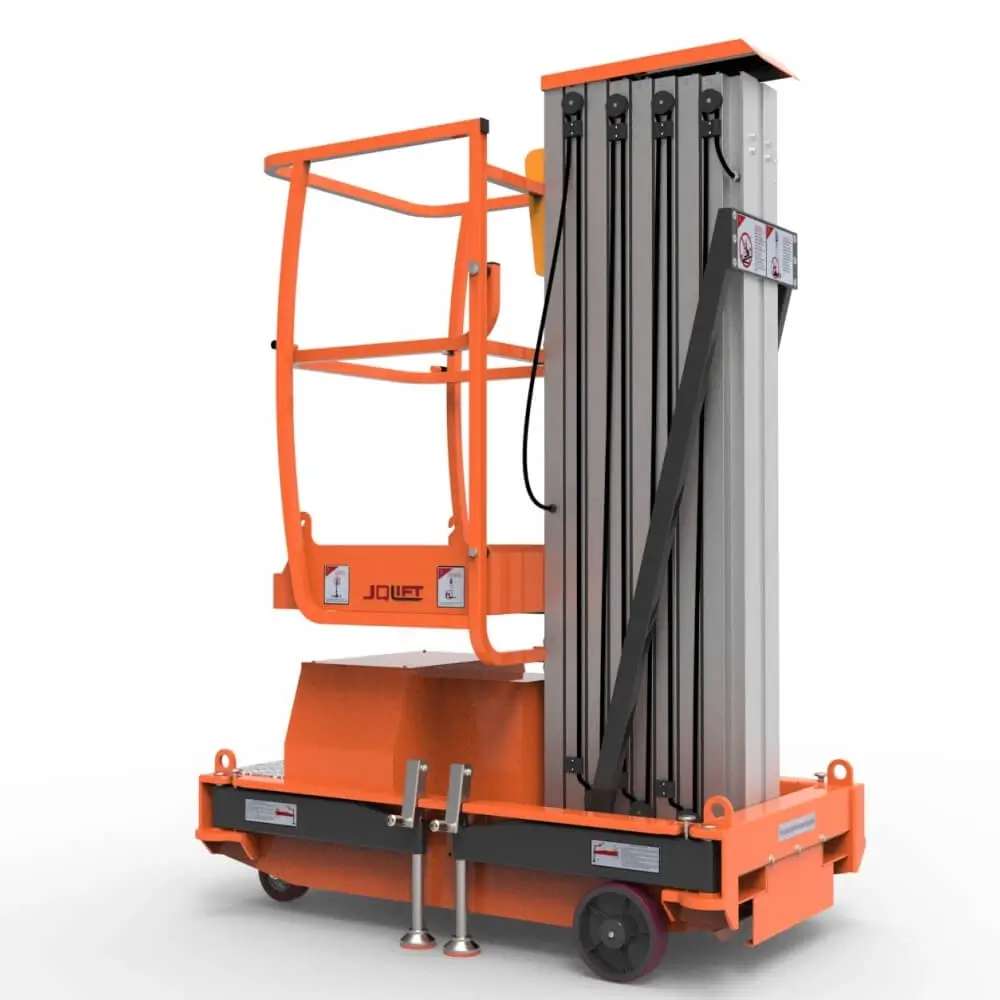
The build of these tools matches their goals. Single person lifts often have tight platforms with side rails. They include control panels right at the user’s spot. Take the L single mast aluminum alloy lift. It reaches up to 10 meters high. It holds 125kg. One person runs it all.
This is a single-mast aluminum alloy lift. It’s built for one operator. The slim and light frame pairs with good balance. So it fits many high-up jobs well.
Lift tables use scissor arms to lift a flat top. They don’t take people aboard. But they hold gear or loads firmly. These often have broader bases. That boosts steady support for weights. Still, they need extra room on the floor.
Ergonomics and Efficiency Considerations
Reducing Physical Strain During Repetitive Tasks
To cut down on bending, squatting, or stretching too far, easy up-and-down access helps a ton. Single person lifts give that quick rise without much effort. They’re great for jobs done many times each day. Small lift tables also lower hurt risks. Workers skip picking up heavy stuff from the floor by hand.
Less strain means better work speed. And that’s not just about feeling good. It boosts how much gets done in an hour.
Workspace Optimization in Confined Areas
Room counts big time. Think tight warehouses or labs where space is tight. Single person lifts tend to be narrower. They turn in smaller circles too. So they move easier past racks or machines.
Its simple handling lets one worker guide it without much push.
Most small lift tables need more open space. Their wide scissor bases take up room. In cramped spots, that can block paths. It might even raise safety issues.
Safety Features and Operational Control
Built-in Safety Mechanisms for Operator Confidence
Safety comes first—it’s basic. Single person lifts usually include side rails, stop buttons for emergencies, and guards against overloads on the platform. These let the user feel sure while up high.
The controls up top have buttons for up and down that you hold. There’s also an emergency shut-off switch.
Small lift tables have safety bits too. Like edge guards and non-slip tops. They stop loads from dropping or folks from sliding when loading. Both kinds follow safety rules. But they tackle varied risks.
Control Options: Manual vs Electric Systems
Hand-operated setups look cheaper at start. But they demand body effort. If your crew uses the gear often each day, tiredness builds up.
Electric single person lifts have set controls for even lifts. This brings exact moves. It cuts wear on people and the tool alike.
Application Scenarios Across Industries
Common Tasks Benefiting from Each Equipment Type
| Task Type | Recommended Equipment |
| Overhead cable installation | Single Person Lift |
| Component assembly line | Small Lift Table |
| Light fixture replacement | Single Person Lift |
Industry Examples Where Choice Matters
In making electronics, putting up ceiling sensors needs fine work. Steady high access does that best. A single person lift slots in nicely.
For building furniture on lines or packing spots in warehouses, workers want height tweaks to fit materials easy. Small lift tables give that help without fuss.
Cost Efficiency Over Time
Maintenance Demands and Lifecycle Costs
Single person lifts often show fewer parts that move out in the open than scissor lift tables. So upkeep stays lower over years. Less oiling spots. Joints wear slower.
The tires use polyurethane material. They handle tough use without quick wear-out.
Lift tables in dusty spots or with big loads need checks more often on parts that move.
Productivity Gains vs Initial Investment
An electric single person lift costs more at first. But quicker jobs and less stop time from hurts or waits pay it back. The value grows long-term.
That said, if your setup sticks to fixed spots where heights stay mostly the same, a lift table works fine. You avoid extra spend on unused extras.
Choosing Based on User Roles and Work Frequency
Matching Equipment with Operator Needs
For techs who shift spots a lot and do high tasks—like upkeep crews in big buildings—small moving lifts with own controls suit them.
Line workers adjusting heights for product needs find small lift tables straightforward for their jobs.
Frequency of Use as a Deciding Factor
Everyday use points to electric picks. They ease tiredness and keep steady work. If lifting tools see action just weekly, hand ones might do. They cut costs on power needs or charging.
Integration with Existing Systems
Compatibility with Tools and Workstations
Single person lifts fit into rolling tool setups or upkeep plans. They’re good for moving fix-it jobs around sites where easy add-ons count.
Lift tables link well with belt lines or packing tables. Materials come steady for sort or load there.
JQLIFT’s lineup has electric quiet vertical platforms for clean areas. It also offers tight scissor designs for shop floors.
Environmental Factors That Influence Performance
Indoor vs Outdoor Usability
Most single person lifts work inside. Light stuff like aluminum aids carrying. But rough weather doesn’t suit unless built for it.
Some lift table types handle half-outdoor spots if covered from rain or gusts. Like docks with roofs partway.
Noise Levels and Power Requirements
Electric single person lifts hum low—a real win in labs or offices where quiet rules. Hand lift tables make almost no sound. But they go up slow with cranks or pedals.
This electric aerial work platform gives powered move and rise. It fits varied spots—like upkeep in stores, offices, or storage areas.
FAQ
Q1: Can a single person lift replace a small lift table entirely?
A: Not quite—they address different needs. Single person lifts are for elevating individuals; lift tables raise materials only.
Q2: Are manual lift tables suitable for daily use?
A: Only if workload is light. For heavier items or frequent use, an electric model helps reduce worker fatigue.
Q3: How portable are single person lifts?
A: Many have wheels or casters; some even fit in elevators depending on height when retracted.
Q4: What’s the typical lifespan of electric single person lifts?
A: With routine checks and battery maintenance, they can last several years under regular industrial use.
Q5: Can I use a single person lift in a cleanroom environment?
A: Yes—models like the L single mast aluminum alloy lift offer quiet operation and non-marking tires suitable for sensitive areas.