
Renting vs. Buying a Mobile Scissor Lift in 2026: Hidden Costs & ROI Explained
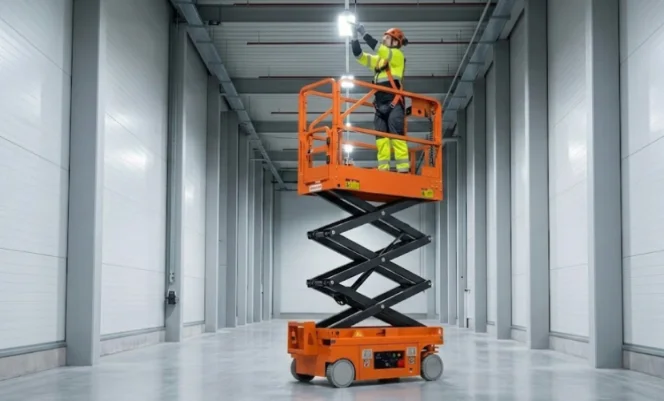
Facility managers look at spreadsheets all day. You constantly face tight budgets. When a high warehouse ceiling needs fixing, the buy vs rent scissor lift debate instantly starts in the meeting room. At first glance, paying a hundred dollars a day looks much safer than dropping thousands on a brand new machine. Your boss probably hates the idea of buying heavy equipment. But those daily rental invoices stack up incredibly fast. They quietly eat away your annual profit margins.
The Illusion of Cheap Rentals: Uncovering the Hidden Fees
You look at the basic daily rate on a rental website and think it is a great deal. That number is just the beginning. The real mobile scissor lift cost 2026 includes a lot of extra charges. First, look at the delivery and pickup fees. A flatbed truck has to drop the machine off at your loading dock. That alone can cost hundreds of dollars each way. Then the rental yard adds environmental fees and mandatory insurance charges on top of your bill.
Sometimes you need the machine on a Tuesday morning, but the rental company is completely booked out. Or the delivery truck gets stuck in heavy traffic. You end up with five guys standing around doing absolutely nothing. This equipment downtime kills your daily productivity. Paying workers to wait is the most expensive part of renting a man lift.
The Tipping Point: When Does Buying Make Mathematical Sense?
Do the math on a piece of paper. You need to calculate the scissor lift ROI based on your actual work schedule. Industry veterans use a very simple rule. If your team uses an aerial lift more than three or four months out of the year, paying rental yards makes zero financial sense.
Rent money just disappears forever. It is a sunk cost. Buying gives your company a physical asset. You can claim tax deductions for heavy machinery purchases. Later on, if you finish a huge project and do not need the lift anymore, you can sell it to another contractor. It still holds solid resale value.
Overcoming the Fear: What About Maintenance and Storage?
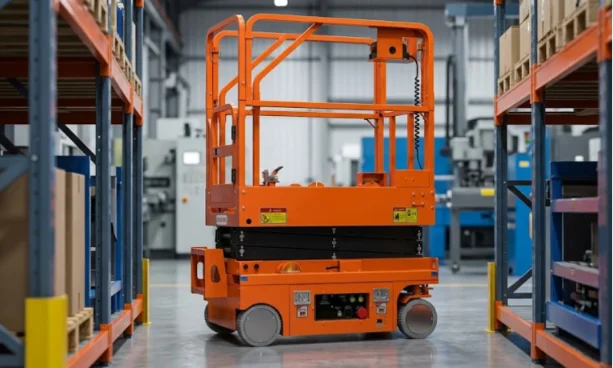
Many contractors stick to renting because they are terrified of broken machines. You probably do not want to hire a full time mechanic just to check hydraulic fluid levels. You might also worry about where to park the thing when winter comes. Dealing with small scissor lift maintenance used to be a massive headache ten years ago.
Things changed a lot recently. Modern equipment runs on simple electric power and smart modular designs. Good machines now use leak-proof hydraulic cylinders and sealed batteries. You basically just plug the machine into a standard wall outlet at the end of the day.
Why High-Frequency Users Choose JQLIFT ZSF Small Scissor Lifts
Finding a machine that balances upfront price with heavy daily use takes some digging. This is where scissor lifts from a dedicated manufacturer like JQLIFT completely change the game. As an established player in the aerial work platform industry, JQLIFT specifically builds access equipment for tight indoor environments and demanding facility management tasks. They bypass the massive markups of traditional Western brands, focusing entirely on raw structural integrity and premium hydraulic components. When high-frequency users decide to stop throwing money at rental yards, they usually look for exactly this kind of direct factory value. Their machines pass strict safety compliance checks right off the assembly line. Getting your hands on the ZSF hydraulic small scissors provides a perfect exit strategy from the endless rental trap.
Unbeatable Cost-Effectiveness for Quick ROI
The purchase price sits at a very sweet spot. Because JQLIFT focuses on streamlined manufacturing, you do not pay extra for a fancy brand sticker. You pay for solid steel and good electronics. If you run a busy warehouse, the money you save by skipping weekly rental fees usually covers the total cost of this machine in just five to six months.
Commercial-Grade Reliability with Low Maintenance
A cheap lift will stall when you are twenty feet in the air. That is dangerous and highly annoying. You need commercial-grade reliability to keep your crew safe and productive. These machines feature high strength scissor structures and top tier hydraulic pump stations. You do not need to constantly tinker with the engine. The battery packs hold a charge through a full work shift easily.
Compact Agility for Any Facility
Big construction lifts never fit through standard doors. This small series is specifically designed for compact agility inside tight spaces. The overall footprint allows workers to drive straight down narrow supermarket aisles or crowded factory floors. The non-marking tires protect your expensive indoor flooring from ugly black streaks.
FAQ
Q1: Do you need a special license to drive a small scissor lift?
A: Most indoor lifts just require basic OSHA safety training and a certification card from your employer, not a state driver license.
Q2: Can you use an indoor lift outside on dirt?
A: No. Small hydraulic lifts need flat, hard surfaces like concrete or asphalt to stay stable. Dirt or grass will cause the machine to sink and tip over.
Q3: How often should you charge the batteries?
A: It is a good habit to plug the lift in every night after your shift ends. Letting the batteries drain completely flat all the time will ruin them quickly.
Q4: What happens if the power dies while the platform is up?
A: Modern lifts have a manual emergency lowering valve near the base. You just pull a knob to safely let the platform slowly come down.
Q5: How wide is a standard small scissor lift?
A: A typical compact model runs about thirty inches wide. This allows it to slide right through a standard commercial doorway without taking the door off its hinges.