
Mini Scissor Lifts: Types, Applications, Safety, and Buying Guide
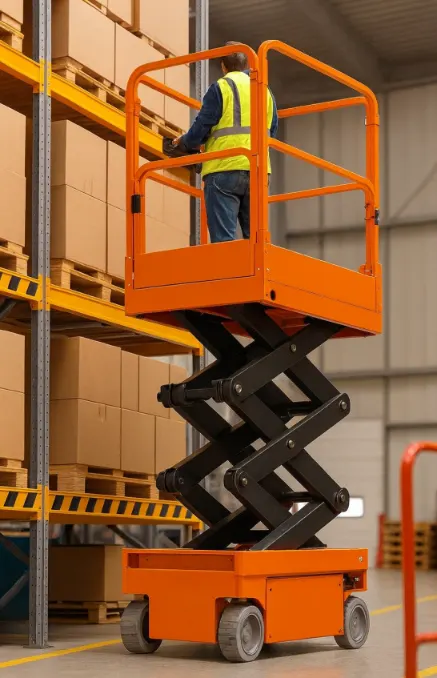
When floor space is tight, ceilings are not very high, and people still have to work above head level every day, a full size boom lift is often too much machine. That is where mini scissor lifts come in. They are small, electric or hydraulic work platforms that fit into narrow aisles and doorway openings, while still giving enough height and capacity for real warehouse and retail tasks.
If you run a small warehouse, stockroom, logistics room or store, the question is not only “Do you need a lift?” It is “Which mini scissor lift fits your space, your height, and your workload?” This guide breaks the topic into clear pieces: what mini scissor lifts are, where they work best, how they compare with ladders and other lifts, what numbers you should pay attention to, and how to choose the right model without overbuying.
What Is a Mini Scissor Lift?
A mini scissor lift is a small take on a normal scissor lift. The spot still goes straight up and down on a crossed arm build. But the base is shorter and slimmer. And the full work up is set for inside places rather than very tall outside jobs. You get a safe spot for one or two folks, plus tools or boxes. All on a print that can still go through usual paths and doors.
For many small spots, the main plus is that a mini scissor lift sits in the middle ground. It is more steady and cozy than a step or stand spot. But it is lighter and smaller than a big build scissor lift. That mix is why more small spots add at least one mini scissor lift for small warehouses into their tool list once the cash lets.
Why Mini Scissor Lifts Exist for Modern Indoor Work
Old buildings and little keep rooms often have slim paths and low bars. You may have box racks pushed into every turn. Or show stands packed close. A normal scissor lift that does fine in a big send center may not even spin in your paths. Mini scissor lifts are there so you can bring safe power get into these close rooms without fixing the whole setup.
They eye on usual inside ups, quiet run and easy fill instead of large fuel motors or rough ground wheels. This makes them fit for jobs that used to count on steps and quick made spots. Such as swap lights, fix signs, and pick from top shelves.
Key Features That Separate Mini Models From Standard Scissor Lifts
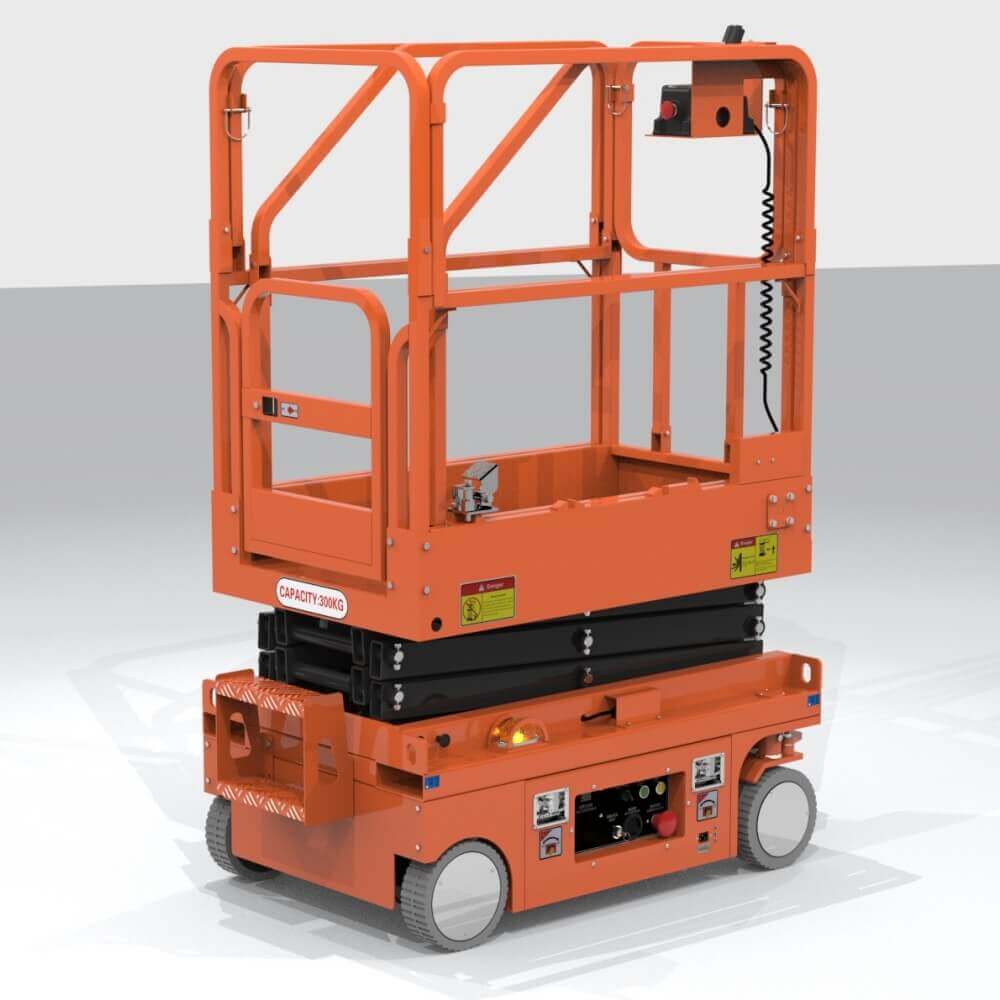
Mini scissor lifts usually have a slimmer base. Often under one meter wide. And a shorter full length. The spin space is smaller. So you can shift between racks without bump boxes. Work ups sit in a range that fits most inside tops rather than store hubs with very high keep.
The spot is still big enough for two folks in many kinds. And there is often a tiny add deck to reach over move belts or shelves. Many units are power driven. They are quiet in use. And free of motor smoke. A compact indoor scissor lift in this group is planned around how folks really move through small buildings. Not just what seems nice on a spec page.
Types Of Mini Scissor Lifts
Not every mini scissor lift is alike. You will spot a few usual plans in lists and rent groups. They share the same basic scissor way. But the drive kind and control method can shift how they fit into your building.
Taking a bit to split these kinds makes your later buy choice simpler. You may find that one way is a clear match for your tasks. While another looks fun but would sit not used.
Electric Mini Scissor Lifts
Electric mini scissor lifts are the most usual for inside use. They run on power packs. And use power motors to push the water pump and the wheels. The plus is easy. Low sound, no smoke, and simpler job set because you can fill them at night or between turns.
In a small store house or shop floor, an electric small electric scissor lift can shift quietly past workers and buyers. While still lifting to the up you need. There is no smell of gas. And no need for tricky air plans. Which is key in shut rooms.
Hydraulic Mini Scissor Lifts
All scissor lifts use water to carry the load. But some mini units use easy water pump systems that are hand run or motor driven. These are more usual where cash is low. Or where the lift will sit outside or in shared yards. They still give steady up move. But they may be louder. And less fit for shiny inside floors.
Push-Around Mini Scissor Lifts
Push-around mini scissor lifts are light units that you shift by hand instead of driving them. The spot lifts with a small power motor or hand pump. These machines fit light fix jobs. Such as check feelers, test quick lights or swap light balls in smaller buildings. Because there is no drive system, they tend to be cheaper. And easier to keep. But they do not cover long shift spaces well.
Self-Propelled Mini Scissor Lifts
Self-propelled mini scissor lifts mix small size with power move. The runner can drive the unit from the spot at slow speed. Then lift to the work up without step off. This way fits spots where you have many small tasks spread over the building. For case, a mini electric scissor lift for narrow aisles lets you shift from one rack to another. Raise up. Finish the job. Then lower and roll on without constant set from the ground.
Core Applications Of Mini Scissor Lifts
Mini scissor lifts show up in a wide mix of buildings. But a few uses repeat over and over. If you see your own spot in these cases, you are likely in the right item group.
The more often your workers need to do at head up or above with tools or boxes in hand, the stronger the case gets for swap steps and quick made stands with a proper lift.
Small Warehouses and Logistics Rooms
In small warehouses, back-of-shop keep rooms and move rooms, mini scissor lifts help with box pick, count rounds, rack fixes, and easy keep. Paths may be only 1.4 to 1.8 meters wide. Yet you still need to reach the top bar. A mini scissor lift for small warehouses can turn in those paths. Pass through normal doors. And still give enough work up to reach lights, water sprays and high keep.
Retail Stores and Shopping Areas
Shop spaces care about how things look. And how buyers feel. Work at up often happens outside open hours. But not always. Hang time banners, fix spot lights, fix number screens and clean high glass are usual tasks. A small electric scissor lift that runs quietly and fits between shelf rows or cold boxes lets workers do without pull tall steps through the shop.
Facility Maintenance in Offices, Schools, and Hospitals
Offices, schools and care spots all need safe get to tops, tubes and helps. But often have folks moving around even while work goes on. Mini scissor lifts allow short time jobs during slow times without shut large areas. Low sound and a clean power source make them easier to take in these touchy spots than bigger work lifts.
Light Industrial Assembly Zones
In light put together and small make halls, you often need short get above the line to fix holds, re path wires or add hold arms. A indoor mini scissor lift for tight spaces can shift between work spots. And fit beside move belts without big changes to the setup. It turns into a shared tool that fix and make both count on.
Mini Scissor Lift vs Other Indoor Lifting Equipment
You may already have steps, move tower stands or even a pole lift in your building. Check these choices to a mini scissor lift helps you see if a new machine truly adds worth. Or just covers what you have.
The best pick hangs on how often you work at up, how long each task takes, and how much weight you carry with you.
Mini Scissor Lift vs Ladder
Steps are cheap and easy to carry. But they are less steady. And place more push on the person working. Every trip up and down adds tired. It is easy to reach too far. Carry too much. Or set the step on a bad top. A mini scissor lift gives you a safe spot and a fixed floor under your feet. For tasks that repeat many times a week, this cozy turns into better safe and more done work.
Mini Scissor Lift vs Vertical Mast Lift
Up pole lifts are slim. Often slimmer than a mini scissor lift. But the spot is also smaller. And the load mark lower. For basic look tasks, they are fine. For box handle and two-person jobs, they feel close. In many small warehouses, a mini scissor lift offers a better mix between print and work room than a pole lift. Special when you often move boxes or holds at up.
Mini Scissor Lift vs Standard Scissor Lift
Normal scissor lifts offer more up. And sometimes more deck room. But they need larger paths and load areas. In a small building, that extra up may never get used. While the added size causes day trouble. Mini units bring the spot closer to true inside needs. Without waste space on ups you will not reach.
What Height, Load, and Aisle Size Do You Really Need?
Picking a mini scissor lift starts with true numbers. Not guess. If you know your real up range, load needs and path widths, you can skip both too big and too small kinds.
Start with your highest usual work point. The slimmest path. And the normal number of folks and boxes on the spot. These three values already cut the field a lot.
Working Height vs Platform Height
Makers often list both spot up and work up. Work up is roughly spot up plus the reach of a person stand on it. For many small work spots, a work up around six to eight meters is enough. That lets you get to top racks and most inside helps without moving into heavy work machine land.
Platform Capacity for Tools and Stock
Think about how you use the spot. Is it mostly for one person and light tools? Or two folks and boxes? If your team often lifts lights, screens or bulk box, a higher spot hold cuts trips. And gives more choices. In these cases, a mini scissor lift for small warehouses with a strong spot mark makes a real change.
Aisle Width Requirements and Turning Radius
Path width is easy to measure. But often skipped. If you buy a lift that needs more width than your racks let, you will always shift box just to turn. In narrow keep areas, a mini electric scissor lift for narrow aisles with a close turn space is easier to live with every single day.
Safety and Daily Operation Guidelines
Even a small lift can cause mishaps if used without watch. The good news is that easy day ways make a big change. You do not need tricky steps. Just basic checks and clear rules that all follow.
Basic Pre-Shift Checks
Before each use, someone should walk around the lift. Look for clear hurt, drips or loose bits. Check wheel state, safe rails, control tags and the quick stop. Make sure the floor is flat, clean and strong enough for the machine’s weight. A fast function test of up and down before going to full up also helps catch issues early.
Platform Use Safety
On the spot itself, feet should stay on the deck. Not on rails or boxes. Keep tools and stuff away from the edge where they can drop. Skip sudden shifts when near max up. Make sure the person at the controls has a clear view of the area. And does not shift the lift when folks or blocks are too close.
Common Mistakes to Avoid
Usual slips include driving with the spot raised in close areas. Over load the spot with heavy box stacked high. Or using the lift on slopes that go over the marked limit. Rush jobs at the end of a turn also leads to bad picks. Easy rules, written once and said often, can cut out many of these dangers.
Buying Guide How To Choose the Right Mini Scissor Lift
Once you know how high you need to work, how narrow your paths are, and how heavy your loads are, you can start to check kinds in a more eye way. A good mini scissor lift should fit your building, your tasks and your keep skill.
Fight the pull to chase the tallest or cheapest unit. Aim for the machine that your team will really use every week.
Height Requirements
Match spot up to your usual job ups instead of rare far. If your top is seven meters and most work sits below that, a middle unit will do the job. A compact indoor scissor lift that reaches the bar without over shoot by a large bit will feel more steady. And easier to handle.
Indoor vs Outdoor Use
If you work almost all inside, an electric mini scissor lift is the natural pick. It is quiet. Easier on the floor. And less bother in busy areas. If you split time between inside and a flat outside yard, choose wheels and guard that can handle both. Save heavy outside or rough ground work for larger units or short rent.
Floor Conditions and Noise Rules
Look at your floor kind and local rules. Shiny hard floor, flat bits and raised floors may not take high point loads. Check machine weight and wheel setup. And talk with your building team if needed. Sound rules in shared buildings can also push you toward power units. Special in offices, schools and mixed-use spots.
Budget When To Rent vs Buy
If your team works at up every week, own a lift makes sense. If high-level jobs are rare and short, rent from time to time may be enough. For many small spots, the best path is to buy one indoor mini scissor lift for tight spaces for day tasks. And rent larger or more special machines only when a unique job calls for them.
Conclusion
Mini scissor lifts fill a true space between basic steps and full size air work spots. They give you a safe, steady spot on a small base that fits into the close paths, back rooms and shop floors that larger lifts cannot reach. By match up, load and path size to your own building, you can turn a mini scissor lift into a day tool that quietly makes work safer and quicker.
Inside the Lift Solutions Offered by JQLIFT
Hangzhou Jiequ Machinery Manufacturing Co., Ltd. is a focused maker of lift tools and air work spots. Under the name JQLIFT, the firm eyes on useful machines for true spots such as warehouses, move centers, factories and shop jobs. Its item range includes self propelled scissor lifts and mini scissor lifts set for inside use in narrow aisles and compact rooms.
Make follows tight quality check. With close watch to join, water systems and safe bits such as quick down and over load guard. Spots are sized for two-person work with tools and box. And small base plans allow go through usual door ways and close paths. JQLIFT also backs users with kind pick tips, train ideas and extra bits. So you can keep each machine working steady over many years. For small spots that plan to shift away from steps and unsafe quick made spots, these mini scissor lifts offer a eye and long last fix.
FAQ
Q1: Are mini scissor lifts only for warehouses? A: No. They work well in small warehouses, stockrooms, retail stores, schools, offices and hospitals. Any site that has moderate heights, limited floor space and regular work above head level can benefit from a compact lift.
Q2: Can a mini scissor lift pass through a standard door? A: Many models are narrow enough to pass through a typical single door when the platform is lowered. You still need to check both height and width in the spec sheet and compare them with your actual doorway sizes.
Q3: How long does a mini scissor lift battery last in daily use? A: That depends on how often you drive and lift, but for normal indoor duty a full charge often covers a shift or more. Good practice is to charge at the end of each day so the lift starts the next shift with a full battery.
Q4: Do operators need special training to use a mini scissor lift? A: Basic training is always recommended. Operators should learn controls, pre-shift checks, load limits and simple emergency actions. The machines are not hard to drive, but clear rules help reduce accidents and misuse.
Q5: What is the main reason small sites switch from ladders to mini scissor lifts? A: The main driver is a mix of safety and fatigue. Staff feel more secure on a guarded platform, and they no longer climb up and down ladders all day. Over time this leads to fewer incidents and smoother work at height.