
Maximizing Safety: Top Practices for Using Hydraulic Man Lifts in Warehouses

In spots like warehouses that stay busy all day, hydraulic man lifts do key jobs. They help folks grab stuff from high spots. They move big loads too. And they let workers do tasks way up. These tools speed up work a bunch. But with that help, folks must watch out. Safety in warehouses stops bad things like cuts or falls. It even saves lives. If people ignore rules for these lifts, real trouble can start.
This write-up talks about main ways to stay safe with hydraulic man lifts in warehouses. We look close at checks before use. We cover lessons for workers. And we talk about fix-up steps. If you follow these, your spot runs smooth and no one gets hurt. Good steps like this cut down on mishaps that cost money. They also let workers get more done each day.
Why Is Safety Crucial When Using Hydraulic Man Lifts in Warehouses?
When you run hydraulic man lifts in a warehouse, pay close mind to safety. These places buzz with action. Things move fast. Spots get tight. Risks show up quick. Lifts might tip. Power could fail. Or someone could slip from up there. Any of these can cause big harm.
The Risks of Improper Usage
If you use hydraulic man lifts the wrong way, bad stuff happens. Folks might fall from high up. Or the lift could shake and squash someone. Even tiny slips matter. Like putting on too much weight. Or not spreading out the base all the way. These mess with safety. Workers deal with quick picks in hard areas. So, always keep the lift in top shape. And use it right each time. That way, no one faces extra danger.
The Importance of Compliance with Safety Standards
Groups like OSHA and ANSI set rules for tools. These rules make a plan for safe work. Stick to them to guard your team. Plus, it keeps you out of court mess. When lifts follow these tips, bad events drop a lot. Everyone stays safer. And the job goes on without stops.
How Can You Ensure Proper Safety Checks Before Operating a Hydraulic Man Lift?
Before you turn on a hydraulic man lift, give it a good once-over. This step makes sure it’s ready and safe. Checks each day find small fixes before they grow big.
Pre-Operation Inspection
Look at every hydraulic lift before the shift starts. Or right before you hop on. Check the fluid lines for any drips. See if parts break or wear out. Test the up and down moves. They should go smooth. No sudden stops. No weird shakes. Now, check the power. It could come from batteries. Or from a wall plug. Make sure it’s strong. And charged up if needed. Look for loose wires too. Or any signs of wear.
Environmental Safety Assessment
The spot where you use the hydraulic man lift counts big for safety. Check the ground first. It needs to stay flat. No bumps or holes. Clear away junk like boxes or tools. These can trip things up. If you take it outside, watch the sky. Wind can push it over. Rain makes slips easy. Ice turns everything slick. In those cases, wait it out. Or find a better spot inside. Always think ahead about the area.
How Should Operators Be Trained to Use Hydraulic Man Lifts Safely?
Lessons stand out as a top need for hydraulic man lift safety. When folks learn well, they skip errors. Those errors often lead to bumps or worse.
Importance of Operator Training
People who drive these lifts need full info. Not just on buttons and moves. But on spotting trouble too. And what to do if things go south. For example, show them safe ways to add loads. Or take them off. Teach turns in small halls. Or around stacks of stuff. Do these lessons again now and then. Maybe once a year. Or after a close call. This keeps skills sharp. And rules fresh in minds.
Certification and Compliance
Get papers that say you can run hydraulic man lifts. This proves you know the ropes. And can stay safe. Places might ask for tests. Or hands-on checks. Some want you to renew those papers. Like every few years. This makes sure you catch new tips. Or changes in rules. Always stay current. It helps everyone.
What Are the Best Practices for Safe Operation of Hydraulic Man Lifts?
Safety does not stop when the lift starts up. Keep good habits going all through the day. This builds a safe zone for the whole crew.
Safety Gear and Personal Protective Equipment (PPE)
Folks on the lift must gear up right. Put on a tie-down strap. Wear a hard hat. Grab some hand guards. And step in shoes that grip well. Do this every single time. No skips. This stuff cuts down on hurts if a slip happens. Or if something drops. For some jobs, add extras. Like shirts that glow bright. These help when trucks roll near. Or when big machines run close. Check your gear often. Make sure it fits. And shows no tears.
Safe Operation Techniques
Use the lift like the book says. No shortcuts. Watch the weight. Don’t pile on more than allowed. Stay under the top height mark. Spread loads even. This keeps balance. Park only on flat spots. No hills or dips. And never try to roll it while up high. That asks for a tip-over. Take it slow on turns. Watch for folks walking by. Or other tools in the way. Always think safe first.
Emergency Procedures and First Aid
Set up a plan for tough spots. Teach it to all. Folks need to know fixes for lift jams. Or if power cuts out. Or if someone gets a bump. Show steps for each. Like how to lower slow in no-power mode. Keep a box of bandages near. Stock it with wraps, wipes, and such. Run fake bad events sometimes. Call them drills. These help folks stay calm. And act fast if real trouble shows up. Review the plan often. Update it if needed.
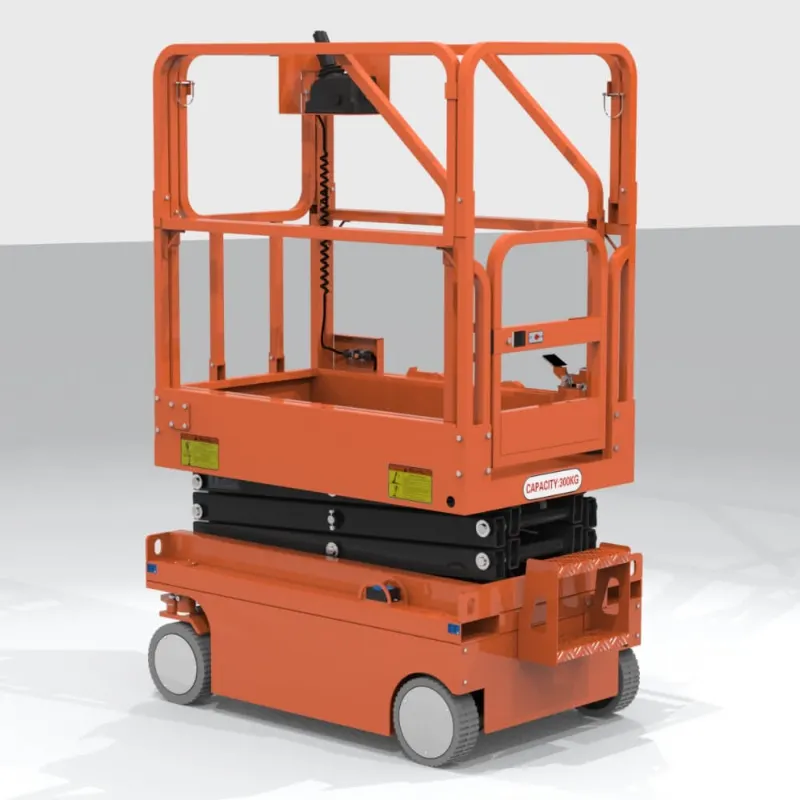
How Can Regular Maintenance Improve Hydraulic Man Lift Safety?
Fixes on a set time keep hydraulic lifts going strong. They stay safe too. Skip these, and little woes turn huge. That hits safety hard. And slows down jobs.
Routine Maintenance Tasks
Do normal checks like this. Look at fluid amounts. Top off if low. Scan hoses for cracks or wet spots. Wipe down parts that move. Add oil where they rub. Test all buttons. Make sure they click right. Check the stop switch. It must kill power quick. Look at wheels or bases. Fix any wobbles. Do these steps often. They catch issues early.
Scheduling and Record Keeping
Plan out when to do fixes. Maybe weekly for small stuff. Monthly for big looks. Write it all down in a book. Or on a sheet. Note what you checked. What you fixed. Who did it. And the date. This log helps if questions come up. Like after a near miss. Set times stop forgetful slips. And keep tools from breaking down bad.
What Are Some Common Safety Mistakes to Avoid When Using Hydraulic Man Lifts?
Even with lessons and fixes, wrong moves sneak in. Spot these common ones. Skip them to bump up safety in your area.
Lack of Pre-Operation Checks
Some folks rush. They jump past start-up looks. Or do them quick. This misses hidden woes. Like a slow leak. Or a loose bolt. Always slow down. Take those minutes to check full. It saves big headaches later. Less down time. Fewer hurts.
Inadequate Training
Tools in good shape still bite back. If the driver lacks know-how. Push for steady lessons. Make sure all grasp risks. And how to fix bad spots quick. Test them out. See if they handle it right. Update as new stuff comes.
Operating in Hazardous Environments
Don’t run the lift in bad areas. Like during storms. Or on rough dirt. Wind grabs high parts. Rain slicks the base. Bumps tip it easy. Always scan around first. Pick safe zones. Wait out bad weather. Or shift inside. Think of the spot as part of the tool.
Conclusion
Running a hydraulic man lift in a warehouse calls for steady safety watch. Do checks often. Give right lessons. Stick to good run ways. These stop bad slips. And keep things flowing nice. With solid rules in play, these lifts push work higher. But they do it without risks to folks.
FAQ
Q1: What are the benefits of using a hydraulic man lift in a warehouse? A: Hydraulic man lifts allow workers to safely reach high shelves and perform tasks in elevated areas. They increase productivity by offering faster, safer access to hard-to-reach spaces, and help minimize physical strain on workers. Plus, they cut time on ladders or steps. Folks get jobs done quick. Less back aches too.
Q2: How can I ensure the hydraulic man lift is safe to use? A: Perform a thorough pre-operation inspection, including checking the hydraulic system, electrical components, and safety features. Ensure the lift is operating in a safe environment and that all operators are trained and certified. Add in spot checks during the day. Watch for odd sounds or moves.
Q3: Why is training important for hydraulic man lift operators? A: Proper training ensures operators understand the equipment’s limits, know how to operate it safely, and can respond appropriately in case of emergencies. This helps prevent accidents and ensures efficient use of the lift. It builds confidence too. Folks feel ready for any twist.
Q4: How often should a hydraulic man lift be maintained? A: Hydraulic man lifts should undergo routine maintenance, including daily pre-operation checks and regular scheduled servicing to ensure the lift’s safety and functionality. Follow maker tips. Or set your own based on use. Heavy days mean more checks.
Q5: What safety gear should be worn when using a hydraulic man lift? A: Operators should wear safety harnesses, helmets, gloves, and slip-resistant footwear. Depending on the job, additional PPE may be required. Like eye shields for dusty spots. Or ear plugs near loud stuff. Fit it right each time.
About Hangzhou Jiequ Machinery Manufacturing Co., Ltd(JQLIFT)
Hangzhou Jiequ Machinery Manufacturing Co., Ltd, operating under the brand name JQLIFT, is a leading provider of high-quality hydraulic lifting equipment. With a reputation for reliability and innovation, JQLIFT focuses on producing durable and safe products designed to improve operational efficiency in warehouses and industrial settings. The company’s products, such as the hydraulic small scissor lift, are designed to meet the rigorous demands of modern workplaces while maintaining a strong commitment to safety and performance. With a strong focus on customer satisfaction, JQLIFT continues to be a trusted partner for businesses worldwide. They build stuff that lasts. And helps teams work better.