
How a Single Man Lift for Picking Boosts Warehouse Productivity
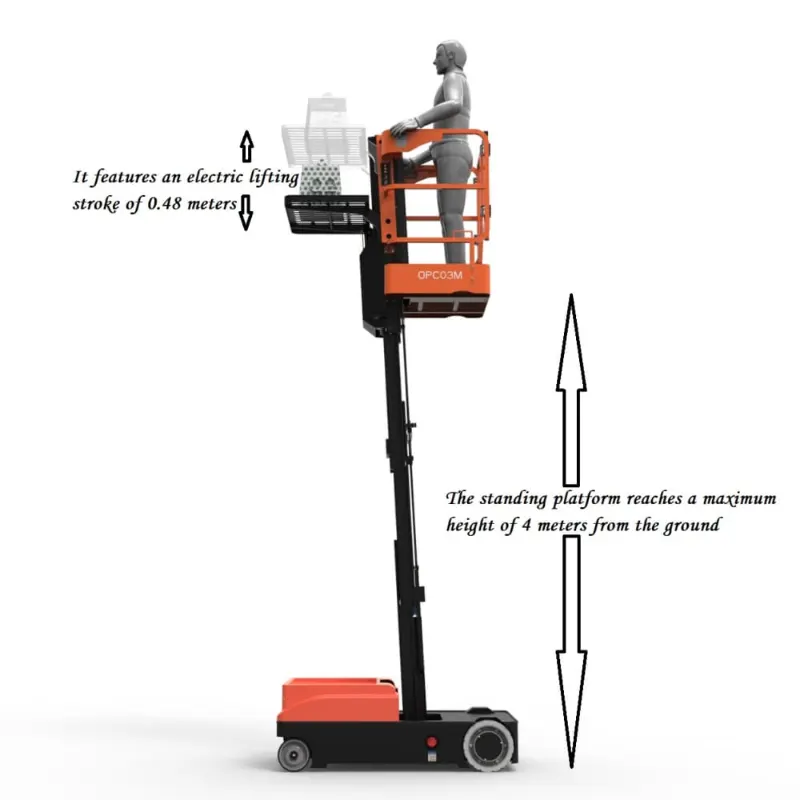
You want faster order cycles, fewer manual steps, and safer work at height. A compact lift that one person can drive and pick from can move the needle more than any extra cart or ladder change. This guide explains how that lift improves daily output, what to measure, how to size the platform, and how to keep the system safe and easy to run. Small details matter here. A two-second save per pick adds up fast across a shift.
A single man lift for picking boosts productivity by combining narrow-aisle mobility, drive-and-lift controls, a stable guarded platform, and short setup moves, so you cut walking, re-climbing, and idle turns.
What Bottlenecks Slow Down Warehouse Picking?
Before looking at gains, it helps to spot the common slow points that hold you back. Most teams face the same issues in narrow aisles and tall bays. You see extra walking, repeat climbs, and awkward reaches. Each small pause breaks the rhythm and hurts the line rate.
Long Walking Paths and Reaching Overhead
When pickers walk back and forth to a ladder or cart, minutes leak away. Reaching above shoulder height slows hands even more. That mix reduces picks per hour and increases error risk.
Re-Climbing and Set-Downs
Climb, pick, climb down, set the item, then move the ladder again. That cycle fills a shift with motions that do not add value. It also raises fatigue and incident risk.
Tight Turns and Aisle Conflicts
In narrow aisles, a wide turn stalls traffic. When two teams meet in a choke point, both lose momentum. A device with a small turning radius removes many of these standoffs.
How Does a Single Man Lift Raise Throughput?
A powered platform that lifts one person to the shelf and lets the same person drive, lift, and pick in one spot cuts wasted motion. You stay with the work, not with the ladder. The result is more picks per hour and a steadier pace across the day. If you need a reference design, review a proven single man lift for picking to see typical specs and layouts.
Narrow-Aisle Mobility and Small Turning Radius
Compact chassis and responsive steering let you move in tight spaces without blocking others. You reach the bay, align the platform, and face the SKUs head-on. Less jockeying means a cleaner path and fewer stops.
Drive, Lift, and Pick From One Position
On-board controls put lift and travel at your fingertips. You raise to the target level, secure the item, lower or side-adjust if needed, and move on. The sequence feels simple and repeatable, which is the key to steady hourly output.
Stable Platform and Guarded Edges
A stable deck with non-slip flooring and guarded edges keeps your stance firm. That lets you move hands faster at height without risky stretches. It also reduces mid-air corrections that steal seconds.
Which Metrics Should You Track to Judge Productivity Gains?
You need clear numbers to defend a change in process. Focus on a small set of metrics you can capture in a week. That baseline will show the real effect after deployment.
Picks per Hour and Time per Pick
Track an average across a full shift, not a short trial. A realistic target for small items in 3 to 4 meter bays is a step up from ladder flows, often by 30 to 60 percent when routes and SKUs are stable.
First-Pass Yield and Rework
Count orders that ship with no re-picks. When the platform keeps you steady and square to the shelf, fewer items drop, mislabel, or get swapped.
Simple Comparison Table
| Metric | Ladder + Cart | Single-Person Picking Lift | Impact |
|---|---|---|---|
| Picks per hour | 40–60 | 80–120 | Higher throughput |
| Time per pick | 60–90 s | 30–45 s | Shorter cycles |
| Miss-picks | Medium | Lower | Better accuracy |
| Fatigue at end of shift | High | Lower | More consistency |
Numbers vary by SKU size, aisle width, and route plan, but the pattern is clear. Less climbing and fewer set-downs give you steadier flow.
How Do You Choose the Right Platform Height and Capacity?
Right-sizing prevents a mismatch that slows work later. You match deck height to rack height, then confirm load needs and aisle width. A few checks up front avoid headaches.
Platform Height vs. Shelf Height
If your highest shelf is 3.6 m, choose a platform that reaches above that level with safe headroom. A common pick is a 3 to 4 m platform height for small DCs and backrooms. Give yourself margin for tall operators and bulky boxes.
Load Capacity and Basket Layout
Know the typical pick weight and the heaviest single item. Many one-person platforms support around 90 to 130 kg for the person plus goods. A wide front basket and side rails help stage items without drops.
Aisle Width and Turning Space
Measure the narrowest point in your aisles, not just the design spec. Add room for pallet ends and posts. A compact wheelbase that turns inside 1.5 to 1.8 m aisles keeps routes open.
What Safety Features Reduce Incidents and Downtime?
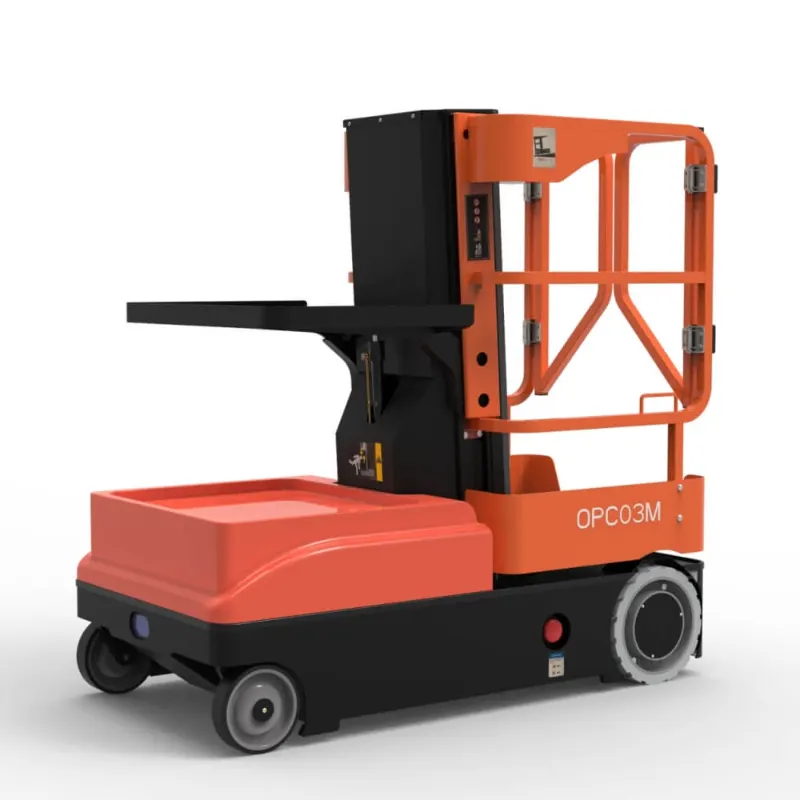
Safety supports speed. When the platform feels solid, you move with confidence and keep the pace. You also avoid unplanned stops linked to small slips or near misses. For a live example of common safety features, review a modern one-person aerial lift.
Guardrails, Gates, and Non-Slip Floors
Closed rails and a positive-latch gate hold you stable. A textured floor reduces slide risk when soles are wet or dusty. These basics turn into real minutes saved every shift.
Emergency Stop and Key Switch
A reachable stop button cuts motion fast in a busy aisle. A key switch prevents unauthorized use after hours. Simple, but effective controls keep the unit ready for the next shift.
Anti-Tilt Logic and Speed Limiting
Sensors can slow travel at height and prevent turns that feel sketchy. Speed limits in a crowded zone protect people and stock without heavy rules.
Brakes, Tires, and Ramp Behavior
Non-marking tires protect polished floors. A strong parking brake holds on slight ramps near docks. These small parts keep you productive in mixed floor conditions.
How Much Maintenance Does It Take?
You do not want a device that sits in a corner with a fault light. A short, steady maintenance rhythm keeps uptime high and costs low. Most checks fit into normal shift starts and ends.
Daily Pre-Shift Checks
Confirm horn, lift, travel, and emergency stop. Look for loose latches and missing pins. Scan tires and wheels for cuts. Check battery level and connectors.
Weekly and Monthly Tasks
Wipe hydraulic points if the model uses them, and clean the mast and covers. Test the gate latch, brakes, and steering stops. Log any odd sounds or error messages and share them with the supervisor.
Battery Care and Charging Habits
Charge in clean, dry spots with clear cable paths. Do not top off mid-route unless the manual allows it. A regular charge routine protects capacity over the long run.
Where Does This Fit in a Mixed Fleet?
A single-person picking lift does not replace every truck in the building. It covers the zone where people need to reach light goods fast in narrow aisles. Other trucks still move pallets and heavy crates. Fleet balance matters.
Complement to Pallet Trucks and Forklifts
Use pallet trucks for ground-level moves and full pallets. Use forklifts for heavy lifts and inbound. Use the single-person lift for high-bay picks and light restocks. Each tool plays to its strength.
Small DCs, Retail Backrooms, and E-Commerce Nodes
Tight rooms with fast-moving SKUs need speed and safe reach. A compact platform fits that profile well. It keeps the floor clear and the cycle short.
Training and Rollout
Most teams learn basic controls in a short session. A route plan and a simple safety checklist do the rest. One supervisor can review logs each week and keep things on track.
When Should You Consider a Purchase Instead of Ladders?
If your staff climbs all day, shifts run long, or aisles feel crowded, it may be time to run a pilot. Start with a small zone, measure picks per hour, and compare. If the gap is wide, expand to the next zone. You can also review a current product page to align features with your site plan and rack heights on day one. JQLIFT is a known maker in this field and focuses on compact, easy-to-run platforms for narrow aisles.
FAQ
Q1: How much faster can a single person lift make picking?
A: Many sites see 30 to 60 percent more picks per hour versus ladders, sometimes more with steady SKUs and clear routes.
Q2: What aisle width works best for a compact picking platform?
A: A common target is 1.5 to 1.8 meters. Measure the tightest point, not just the plan. Pallet ends and posts eat space.
Q3: How high should the platform reach for 3.6 meter racks?
A: Choose a platform that reaches above the highest pick face with headroom. A 3 to 4 meter platform height covers many small DCs.
Q4: What daily checks keep uptime high?
A: Test horn, lift, travel, and the stop button. Inspect the gate, tires, and battery cables. Note anything odd in a simple log.
Q5: Can this replace a small forklift?
A: It covers high-bay picking for light loads in narrow aisles. You still want pallet trucks and forklifts for heavy moves and inbound pallets.
About Hangzhou Jiequ Machinery Manufacturing Co., Ltd
Hangzhou Jiequ Machinery Manufacturing Co., Ltd designs and builds compact lifting platforms for order picking and light maintenance work. The engineering focus is straightforward: stable frames, smooth drive systems, and platforms that feel safe at height. Product lines span electric picking units and related warehouse tools, with sizes that fit narrow aisles in small DCs and retail backrooms. The team pays attention to service items that matter in daily use, such as pre-shift checklists, operator training, and spare parts that arrive on time. That practical approach helps new users reach steady cycles without trial-and-error delays.