
Electric Order Pickers for Indoor Work: What to Check Before You Buy
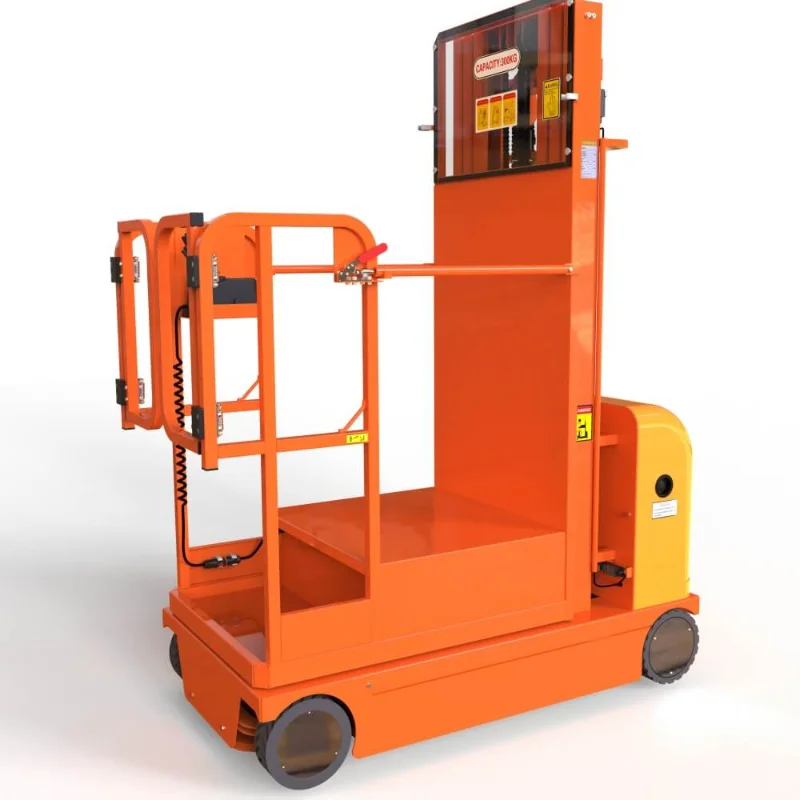
You might be browsing warehouse equipment late at night, coffee in hand, juggling specs and real-world needs. Start here: a quick look at the official site and the current product lineup helps you frame the basics before diving into details. No hype—just the signals that matter when you plan to buy once and use daily.
Why Choose an Electric Order Picker for Indoor Work?
Electric drive shines indoors for simple reasons: zero tailpipe emissions, low noise, and steady torque at low speeds. You get predictable movement near racking, fewer fumes for staff, and a calmer work floor where voices and scanner beeps carry clearly. That sounds small, but it reduces errors in fast picks and helps training land faster.
Lower Noise, Cleaner Air, More Consistent Control
Quiet machines help teams communicate at height without shouting. Operators can call shelf IDs and confirm labels. No exhaust means better air quality in enclosed zones, especially in cooler months when doors stay shut. The steady push from an electric motor makes fine positioning easier near fragile inventory.
Where Electric Fits Best
Use electric in finished goods zones, retail e-commerce pick aisles, and temperature-controlled rooms. Concrete dust, polished floors, tight turns—these are common scenes where electric units handle starts and stops with less drama.
What Battery Specs Should You Check First?
Battery choices dictate shift length, charging rhythm, and mid-day productivity. You don’t need a lab to gauge it, only a short checklist and a realistic view of your pick density.
A practical approach: check pack voltage, amp-hour capacity, on-board indicators, and charger amperage. Then map those to your cycle—how many lifts per hour, average travel distance per pick path, and how often you stage pallets.
Voltage, Capacity, and Charger Basics
Look for a 24 V system with reliable capacity (common packs pair two 12 V batteries). Capacity in the ~100 Ah class suits typical single-shift picking with breaks for opportunity charging. Pair it with a matched charger (often around 15 A) and clear status lights so operators don’t guess whether they can finish the next zone.
Runtime Signals You Can Trust
A clear battery display beats guesswork. Keep it simple: voltage readout, charge bars, and fault icons that mean what they say. If a unit offers quick-connect charging and visible cables near the parking area, your mid-shift top-ups happen on time—not “later.”
How Does Chassis Size Affect Narrow-Aisle Productivity?
A few centimeters in chassis width can change your storage math. Tighter aisles increase storage density, shorten travel legs, and cut time between picks. But you still need safe clearance next to uprights and the confidence to reverse without clipping shelves.
Start by measuring real aisle widths, not the drawing. If your narrowest path is 0.9 m and you run mixed traffic, pick something that feels comfortable in that lane on a busy afternoon, not just on paper.
Width, Turning Radius, and Wheel Setup
A compact chassis (often around 760 mm wide) suits narrow aisles down to about 0.8–0.9 m. Turning radius around 1.6 m helps U-turns without three-point shuffles. Dual-drive or dual rear-wheel drive improves traction on smooth floors and when dust or moisture shows up after dock doors open.
Steering and Micro-Positioning
Hydraulic steering matters more than brochure blurbs suggest. Small wheel inputs should translate to small moves—especially near glass, cosmetics, or electronics. Smooth alignment eases operator fatigue and reduces shelf bumps that show up later as mystery damage.
Which Platform Height Fits Your Racking?
Pick the platform height to match your highest regular pick face, not the absolute top beam you touch once a quarter. Too much height adds cost and weight; too little forces awkward reaches or unsafe workarounds.
If your top pick face sits around 5–6 m, look for platform height ranges roughly from 2.7 m up to about 4.5 m. That window covers most mid-bay picks while keeping the machine nimble.
Working Windows and Pick Rhythm
Think in “windows”: waist to shoulder at the pick face. The more time you spend picking inside that comfortable range, the faster the shift feels. A right-sized platform height keeps you in that lane and trims seconds from each stop.
Guardrails and Footing at Height
Check rail height and deck grip. It sounds obvious, but secure footing, visible rail lines, and simple controls make elevated work feel routine—exactly the tone you want on a Tuesday afternoon when orders spike.
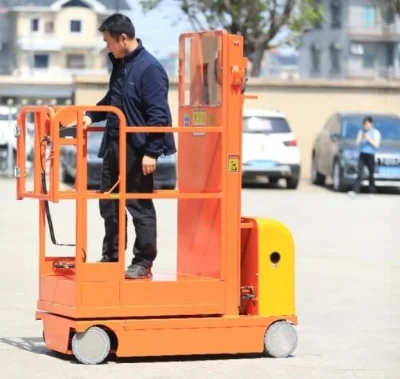
What Safety Features Make a Difference at Height?
Busy aisles reward clear safety cues. You want a machine that helps avoid rack strikes, supports quick stops, and gives operators feedback without hunting for it.
Begin with emergency-stop placement you can hit without looking, then verify status lights, load limits, and speed ranges appropriate for tight zones. Small choices upstream cut incident rates downstream.
Controls, Rail Height, and Speed Policies
Emergency stops should sit within natural reach from the standing position. Guardrails around the meter mark (about 1070 mm is common) feel confidence-building at full raise. Set speed policies by zone: slower near dense racking, faster in open transits.
Stability and Approach
Look for mast guides or stabilizers that keep the platform steady as you nudge into the pick face. A predictable approach—slow, straight, square—reduces lift-retract oscillation and the tiny bumps that become product write-offs.
How Do You Evaluate Aisle Fit and Daily Throughput?
Specs help, but your floor tells the truth. Walk one representative route with a tape measure and a timer. Note the tightest join, the slickest patch, the worst-lit corner. Then map those to the unit’s width, turning radius, and speed band.
If you run very narrow aisles, consider a trial in your busiest hour. You’ll see if the picker glides through pass-bys, or if traffic stacks up. That’s your real throughput—not the one in a quiet test bay.
A Short Field Checklist
- Measure the narrowest aisle and the longest straight.
- Count average picks per stop; log time from stop to stop.
- Test starts on polished concrete after floor cleaning.
- Confirm lift speed with a half-loaded deck, not empty.
Try Before You Buy
One shift with a demo tells you more than a week of spec sheets. Check heat buildup near the drive, control smoothness at the pick face, and charge recovery during a lunch window.
Where Can You See a Practical Example?
If you prefer a real product to compare against your notes, review an electric order picker that targets indoor use. It fits narrow lanes and daily pick cycles, and it’s a good benchmark when you write your own must-have list.
One Note on Naming
You may see the brand JQLIFT used for related product lines in some materials. Treat it as a label for a family of indoor picking solutions rather than a feature by itself; the specs and fit still lead the decision.
FAQ
Q1: What aisle width is practical for an indoor electric order picker?
A: Many operations run 0.9–1.2 m aisles. With a compact chassis near 760 mm and a turning radius around 1.6 m, you can work confidently in tighter lanes, provided training and speed policies are clear.
Q2: How do you pick the right platform height for mixed racks?
A: Match platform height to your highest regular pick face, not the maximum rack height. For many mid-bay layouts, a range around 2.7–4.5 m covers daily work without adding extra bulk.
Q3: What battery setup supports a full shift?
A: A 24 V system with capacity in the ~100 Ah class (often two 12 V batteries in series) handles typical single-shift duty with opportunity charging. Pair with a charger near 15 A and clear status lights.
Q4: Which safety features cut incidents fastest?
A: Easy-reach emergency stops, guardrails around 1070 mm, hydraulic steering for precise approach, and clear load/speed labels. Add a short pre-use checklist at the start of every shift.
Q5: How do you judge real throughput before buying?
A: Run a timed route on your floor during a busy hour. Measure the tightest aisle, test lift/drive with a half load, and log pass-by points. If the unit flows without stop-and-shimmy moves, you’re close.
About Hangzhou Jiequ Machinery Manufacturing Co., Ltd
In the material-handling field, Hangzhou Jiequ Machinery Manufacturing Co., Ltd focuses on practical gains: compact footprints for narrow aisles, stable lifting at working height, and clear battery and charger specs that match everyday shifts. Product engineering follows a simple idea—machines should fit real aisles, not just drawings. The company’s catalog covers indoor picking and access equipment with attention to steering feel, deck grip, and control layout so new operators settle in quickly. If you build a shortlist, this maker belongs on it for one reason: the balance between maneuverability and straightforward service routines comes through in daily use rather than only on paper.