
5 Ways to Reduce Operator Fatigue With Electric Order Pickers
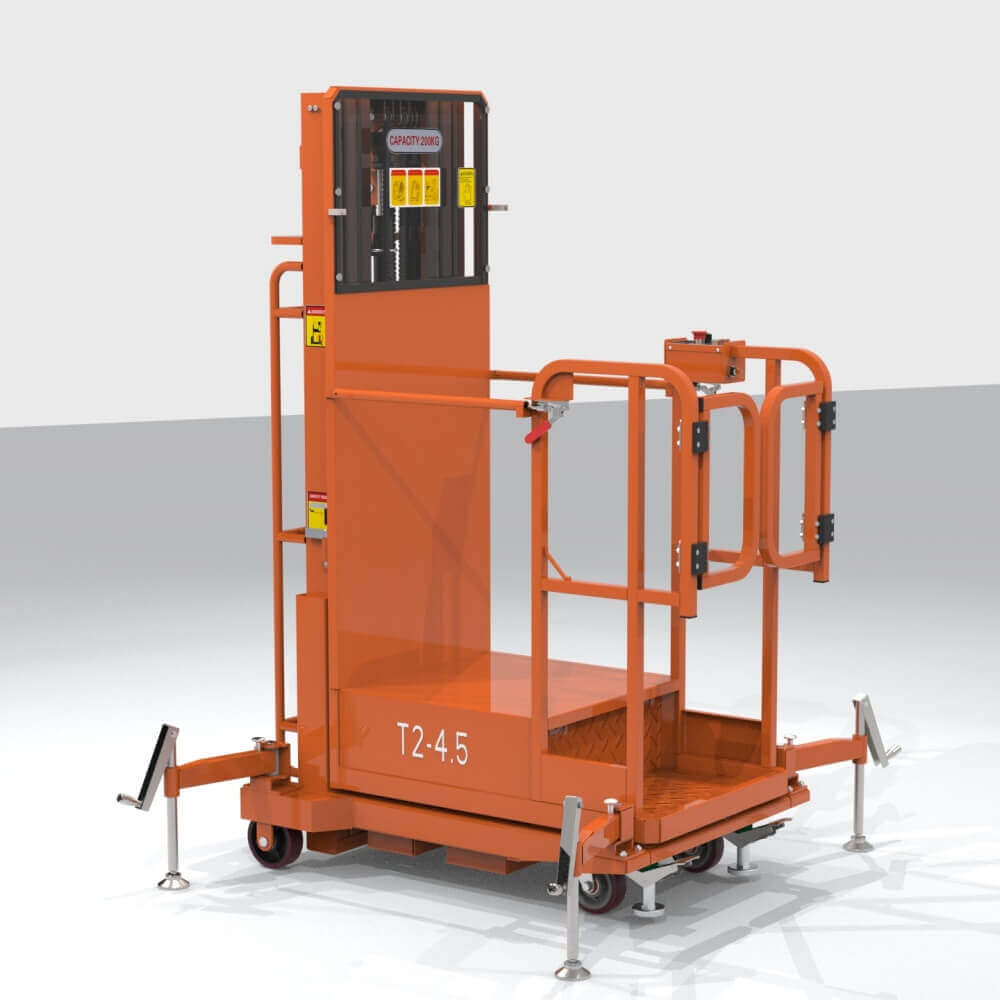
Warehouse work can feel like a marathon. Some days start slow, then suddenly the shift speeds up, and you barely notice time passing because you’re busy picking, steering, lifting, and trying not to lose your pace. That’s when fatigue creeps in. Electric order pickers, especially lighter semi-electric models, play a bigger role in reducing fatigue than most managers expect. If you’ve seen operators rubbing their shoulders halfway through a shift or slowing down after lunch, it might not be about effort or motivation—it’s usually about equipment design and task rhythm. This article walks through five practical ways electric order pickers help reduce operator fatigue during long warehouse shifts.
Why Operator Fatigue Becomes a Daily Challenge?
In most warehouses, picking tasks rely on constant movement. You bend, reach, step up, step down, and guide boxes from shelves to trolleys or totes. Even small motions, when repeated hundreds of times, add pressure on the body. That’s where unsuitable equipment magnifies every tiny strain. A machine built for sporadic height access won’t support fast-paced picking. Once you put electric order pickers into the workflow, the whole pattern starts to feel lighter, quicker, and less draining.
The Role of Smart Equipment in Daily Picking
When a tool follows your natural rhythm, fatigue accumulates more slowly. Electric pickers shorten movement time, reduce strain from manual lifting, and simplify height changes. The body stays in neutral positions instead of fighting awkward angles or heavy controls. Let’s move to the practical strategies.
1. Reduce Repetitive Lifting Movements
One of the biggest contributors to fatigue is repetitive bending and lifting. If you’ve seen operators reach below waist level dozens of times an hour, you know how quickly discomfort builds. Electric order pickers reduce this by allowing operators to adjust platform height with small electric buttons instead of climbing or stretching.
How Adjustable Height Helps During Real Shifts
A picking platform that moves smoothly with electric lift controls keeps the operator at the right height for every pick. Instead of bending or rising onto toes, operators stay in a comfortable stance. These micro-savings matter. Over a full shift, reducing even 20% of unnecessary bending helps prevent lower-back strain, especially on days with high line counts.
2. Cut Down Walking Distance and Climbing Steps
Walking seems harmless, but in tight-margined warehouse operations, unnecessary steps add both time and fatigue. Electric pickers reduce this because operators ride or stand on a platform instead of climbing steps repeatedly.
Why Fewer Steps Mean Less Fatigue
Every time workers climb onto a high step or walk to reposition equipment, it drains momentum. A warehouse order picker simplifies this. You roll it a short distance, lift yourself to the next shelf, and pick again. Less walking means more energy saved for tasks that matter. Some supervisors notice operators stay fresher even during peak seasons.
3. Improve Ergonomic Posture During Picking
Ergonomics is more than a buzzword. It’s a real, measurable factor in how long operators can maintain pace without strain. Electric pickers keep the operator in a comfortable orientation with the shelf instead of forcing awkward angles.
How Better Posture Reduces Shoulder and Neck Stress
Most fatigue begins subtly—tight shoulders, stiff wrists, a bit of strain near the neck. These signs show up more when operators must reach too far or stand in odd positions. Electric pickers help maintain a neutral posture by keeping items within a comfortable pick window. As a result, operators stay more relaxed through the day and maintain accuracy.
4. Minimize Heavy Equipment Handling
Pushing heavy equipment around aisles is tiring. Manual platforms often weigh more than they look, and steering them through narrow aisles becomes a workout. Electric pickers have lighter frames and smoother wheels, reducing the force required to move them. This difference becomes obvious after only a few aisles.
Why Light Controls Matter Over Long Shifts
When operators push or pull heavy units, shoulder and arm fatigue builds quickly. A semi electric order picker requires less force, so operators conserve energy for actual picking tasks. This reduces end-of-shift fatigue spikes, making long shifts feel more manageable.
Support Steady Rhythm With Easier Maneuvering
A smooth workflow feels almost like a rhythm. When equipment responds instantly, the operator stays in sync with the environment. Electric pickers follow this rhythm naturally, especially in facilities with narrow aisles or high SKU counts.
How Easy Steering Reduces Mental and Physical Load
Good equipment reduces both physical and mental load. When steering feels intuitive, operators worry less about hitting racks or struggling to turn. Machines like a stock picker glide through aisles with little resistance, letting operators focus on accuracy instead of maneuvering challenges. This mental relief also plays a role in lowering fatigue.
Bonus Insight: Why Comparing Equipment Matters?
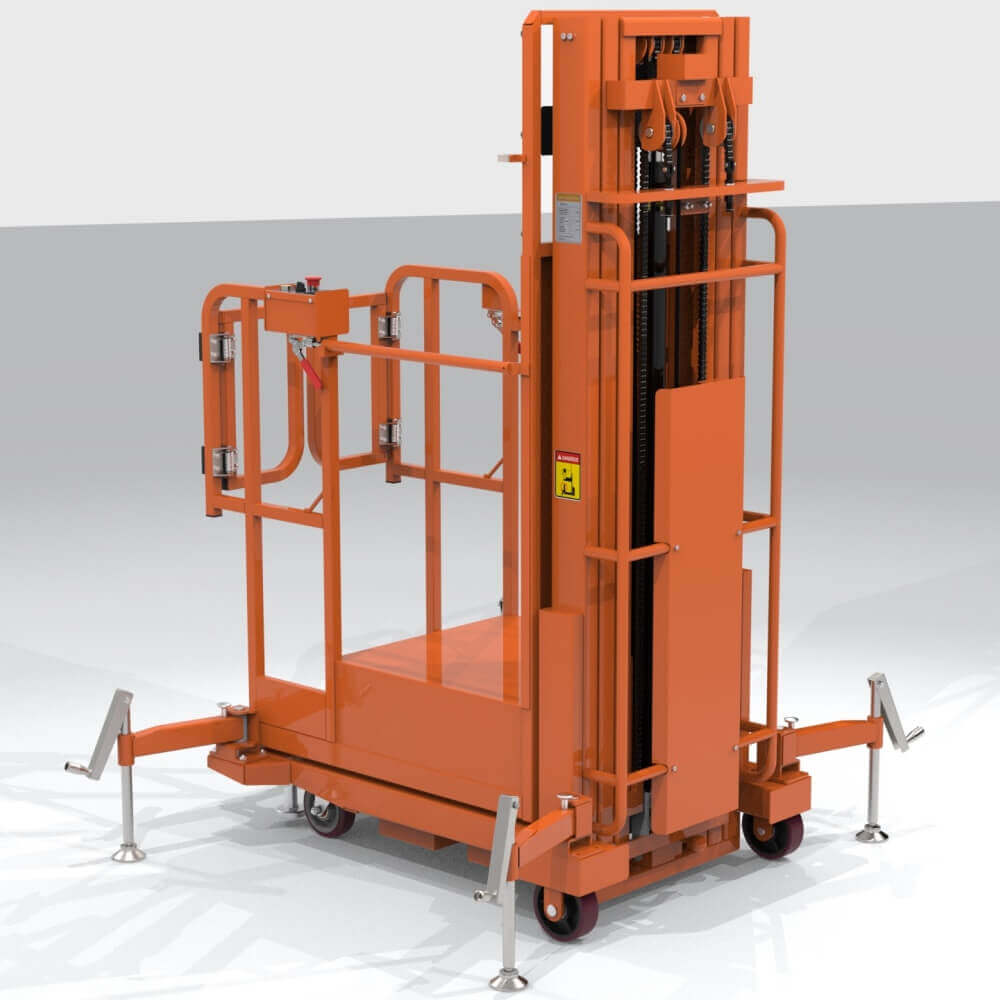
If you’ve ever compared a heavy lift platform and a picker side-by-side, the difference in fatigue becomes obvious. One is built for height maintenance, and the other is built for fast picking cycles. The contrast helps explain why operators feel exhausted when using a machine not designed for their task.
A Quick Look at a Common Comparison
Some managers still consider general lifts for picking because they’re familiar or already on-site. But once you compare an order picker vs scissor lift in terms of fatigue, it’s clear which one fits repetitive picking work. The picker supports rapid movement and ergonomic posture, while the scissor lift is built for long, stable height access.
Introduction to Hangzhou Jiequ Machinery Manufacturing Co., Ltd.
Hangzhou Jiequ Machinery Manufacturing Co., Ltd. (referred to as JQLIFT) is a professional manufacturer of aerial work and warehouse equipment. The company focuses on practical lifting solutions shaped by real warehouse workflows rather than theory. JQLIFT designs machines that support ergonomic operation, smooth lifting, and reliable daily use. Many warehouses choose JQLIFT equipment to handle tasks such as picking, light maintenance, and small-item distribution. With years of experience in lifting technology and warehouse applications, JQLIFT continues improving equipment that helps operators work more comfortably and safely.
FAQ
Q1: How do electric order pickers reduce daily fatigue?
A: They reduce bending, walking, and heavy lifting while keeping operators at a comfortable height.
Q2: Are electric pickers good for long shifts?
A: Yes. They support natural posture and reduce strain from repeated movements, which helps maintain pace.
Q3: Do electric pickers help prevent repetitive strain issues?
A: They can. By reducing awkward angles and keeping movements simple, they ease stress on shoulders, wrists, and the lower back.
Q4: Are they suitable for narrow aisles?
A: Most models handle tight aisles well, which helps operators move smoothly without extra effort.
Q5: How fast can new operators learn to use them?
A: Usually very quickly. Controls are simple, and the platform responds naturally, so training time stays short.