
10 Scissor Lift Buying Mistakes That Cost Warehouses Time and Money
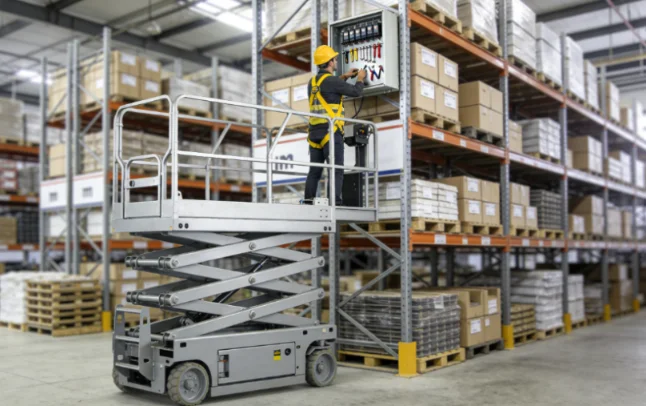
Buying a lift for indoor warehouse work looks simple until the machine arrives and starts slowing the job down. That happens more often than buyers expect. The issue is rarely just price. It is usually fit. A platform may be too wide for the aisle, too light for the load, too basic for daily use, or too demanding on maintenance. That is why scissor lift buying mistakes can cost more than the original quote.
A good warehouse scissor lift guide starts with the site, not the brochure. JQLIFT’s scissor lift category already hints at that. Instead of offering one generic platform, it separates the range into ZSF hydraulic small scissors, ASF small scissors, and SF semi-electric small scissors. On its company pages, JQLIFT also describes itself as a Hangzhou-based aerial machinery maker founded in 2015, with more than 30 acres of factory space, over ten R&D technicians, more than a hundred skilled workers, and products sold worldwide. For a buyer, that matters because it suggests the company thinks in use cases, not just in stock numbers. That usually leads to better equipment matching, which is half the battle in warehouse purchasing.
How Do You Choose a Scissor Lift?
If you are figuring out how to choose a scissor lift, start with the part many teams rush past. Ask what the lift will actually do all week. Not what it might do once a quarter. Not what the sales sheet says it can do. The real job tells you more than the headline spec.
Start With the Work Environment
Warehouse floor conditions matter right away. Is the floor flat all the way through, or do you have loading dock transitions, patched concrete, drain slopes, or rough expansion joints? Ground conditions affect stability, travel, and operator confidence. Even indoors, surface problems can create real risk.
Check Lift Type Before You Compare Price
This is where common scissor lift purchase mistakes begin. A hydraulic platform, a basic small scissors model, and a semi-electric unit may all look close in a catalog, but they behave differently in day-to-day work. If your staff reposition the lift all shift, that difference gets obvious fast.
Match Capacity, Height, and Daily Use
Platform load capacity and scissor lift working height should be checked together. Buyers sometimes focus on reaching the shelf and forget the worker, tools, parts, and handling motion that come with the task. A lift that just barely meets the height on paper can still feel wrong in real work.
Think About Maintenance Early
Scissor lift maintenance requirements are part of the buying decision, not a problem for later. Batteries, hydraulics, wheels, controls, and routine inspections all shape long term cost. People do not love talking about service intervals, but they matter. Boring topic, expensive lesson.
What Are the Most Common Scissor Lift Buying Mistakes?
Most warehouse scissor lift mistakes happen before the purchase order is signed. The machine gets blamed later, but the gap usually starts in planning. One practical safety reference sums up the biggest operational errors clearly: overloading the platform, ignoring ground conditions, skipping safety gear, moving a scissor lift while elevated, neglecting maintenance, and pushing past the machine’s height limits. Those are usage errors, but they also expose buying mistakes. If you choose the wrong platform for the site and the task, operators end up compensating in risky ways.
Mistake 1: Buying Based on Price Alone
Low purchase price can hide high daily cost. If the lift wastes time in narrow aisles or needs constant workarounds, the cheap deal stops looking cheap pretty quickly.
Mistake 2: Choosing the Wrong Lift Type
A warehouse that needs frequent repositioning may struggle with the wrong platform style. This is one reason JQLIFT splits its scissor range into hydraulic small scissors, small scissors, and semi-electric small scissors rather than lumping everything into one generic bucket.
Mistake 3: Ignoring Platform Load Capacity
Platform load capacity is a hard limit, not a polite suggestion. Worker weight, tools, cartons, spare parts, and packaging all count. Overloading a scissor lift is one of the fastest ways to turn a buying shortcut into a safety problem.
Mistake 4: Underestimating Working Height Needs
Scissor lift working height should include comfortable working reach, not just the number needed to touch the shelf or fixture. If the job forces operators to stretch, you bought the wrong height.
Mistake 5: Forgetting About Ground Conditions
Ground conditions are not just an outdoor issue. Warehouses have uneven patches, damaged concrete, dock plates, and transitions between surfaces. That can change how stable the machine feels.
Mistake 6: Buying a Lift That Is Too Large for the Warehouse Layout
Scissor lift dimensions, warehouse aisle width, doorway clearance, and turning radius should be checked before anything else. If the lift cannot pass the door or turn near the rack end, the rest of the specs do not help you much.
Mistake 7: Overlooking Safety Features
Scissor lift safety features should be part of the buying brief. Guardrails, emergency stop controls, platform stability, and operator access all matter. Safety is not just training. It is also hardware.
Mistake 8: Assuming It Can Be Moved Safely While Elevated
Moving a scissor lift while elevated is a classic shortcut. It usually shows that the workflow or machine choice is off. If the task demands frequent raised repositioning, rethink the lift and the work sequence before somebody improvises.
Mistake 9: Ignoring Maintenance Requirements
Scissor lift maintenance requirements affect uptime. If a model is awkward to service or the support plan is weak, warehouse equipment downtime follows. That is when the finance team starts asking sharp questions.
Mistake 10: Buying Without a Clear Workflow Plan
A lift for stock picking is not always the same as a lift for maintenance checks or facility repairs. If you do not define the job clearly, you end up buying a compromise that suits nothing particularly well.
Why Do These Scissor Lift Purchase Mistakes Cost So Much?
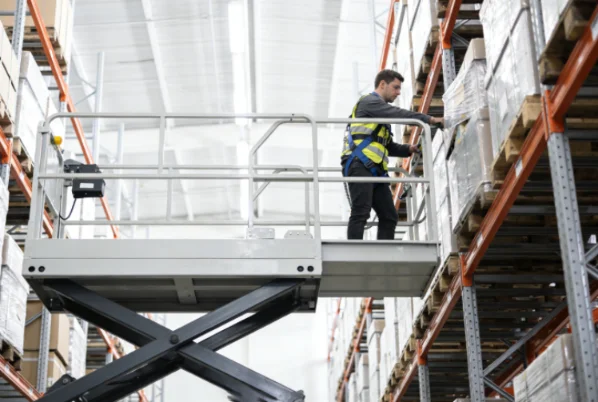
The real cost is not only replacement. It is delay, friction, and rework. A platform that does not suit the aisle slows replenishment. A lift with the wrong mobility style adds labor. A poor height match encourages bad habits. And once operators start creating workarounds, safety risk climbs too.
JQLIFT’s recent warehouse-focused material makes this pretty concrete. Its articles describe equipment being used in warehouses, logistics centers, retail spaces, malls, and offices, with examples such as a 4.5 meter fully electric reclaimer carrying up to 300 kg and a semi-electric reclaimer reaching 4.5 meters with a 200 kg load. The same content emphasizes tight-path maneuvering, full-day battery use, and compact access in older layouts. That is useful because it puts long term scissor lift value in the real world of aisles, shelves, and shift work, not just in abstract specs.
Which Scissor Lift Type Works Best for Warehouse Use?
There is no universal winner. The best scissor lift for warehouse work depends on movement needs, aisle space, and task frequency. Still, the basic categories are pretty easy to read once you slow down.
Hydraulic Small Scissors
Hydraulic small scissors can make sense when the use case is simpler and movement demands are lower.
Small Scissors
A standard small scissors platform often fits general indoor access work where compact size matters but the task pattern is steady.
Semi-Electric Small Scissors
Semi-electric small scissors are worth a closer look when you want easier lifting support without stepping all the way into a more complex setup.
What Should You Check Before You Buy?
Measure the site first. Check doorway clearance, warehouse aisle width, turning space, floor condition, and target height. Then define the real job. Maintenance, stock picking, inspection, light installation, repairs. After that, compare platform load capacity, scissor lift working height, mobility, and service support. That order saves time.
If you want a practical way to choose the right scissor lift, keep it blunt: buy for the aisle, the load, the floor, and the shift pattern. Not for the fantasy version of the warehouse.
FAQ
Q1: How do you choose a scissor lift for warehouse use?
A: Start with the site. Check aisle width, doorway clearance, floor condition, platform load capacity, and scissor lift working height before comparing price.
Q2: What is the most common scissor lift buying mistake?
A: Buying by price alone is one of the most common scissor lift purchase mistakes, because it often ignores layout fit, mobility needs, and service cost.
Q3: Why does platform load capacity matter so much?
A: Because the platform must carry the operator, tools, and materials together. Overloading a scissor lift affects safety and stability.
Q4: Can a scissor lift be used on any warehouse floor?
A: No. Ground conditions and warehouse floor conditions still matter indoors, especially near dock areas, patched concrete, or uneven transitions.
Q5: When should you consider semi-electric small scissors?
A: Semi-electric small scissors can be a good fit when you need compact indoor access with easier lifting support and more frequent repositioning than a purely basic setup.